
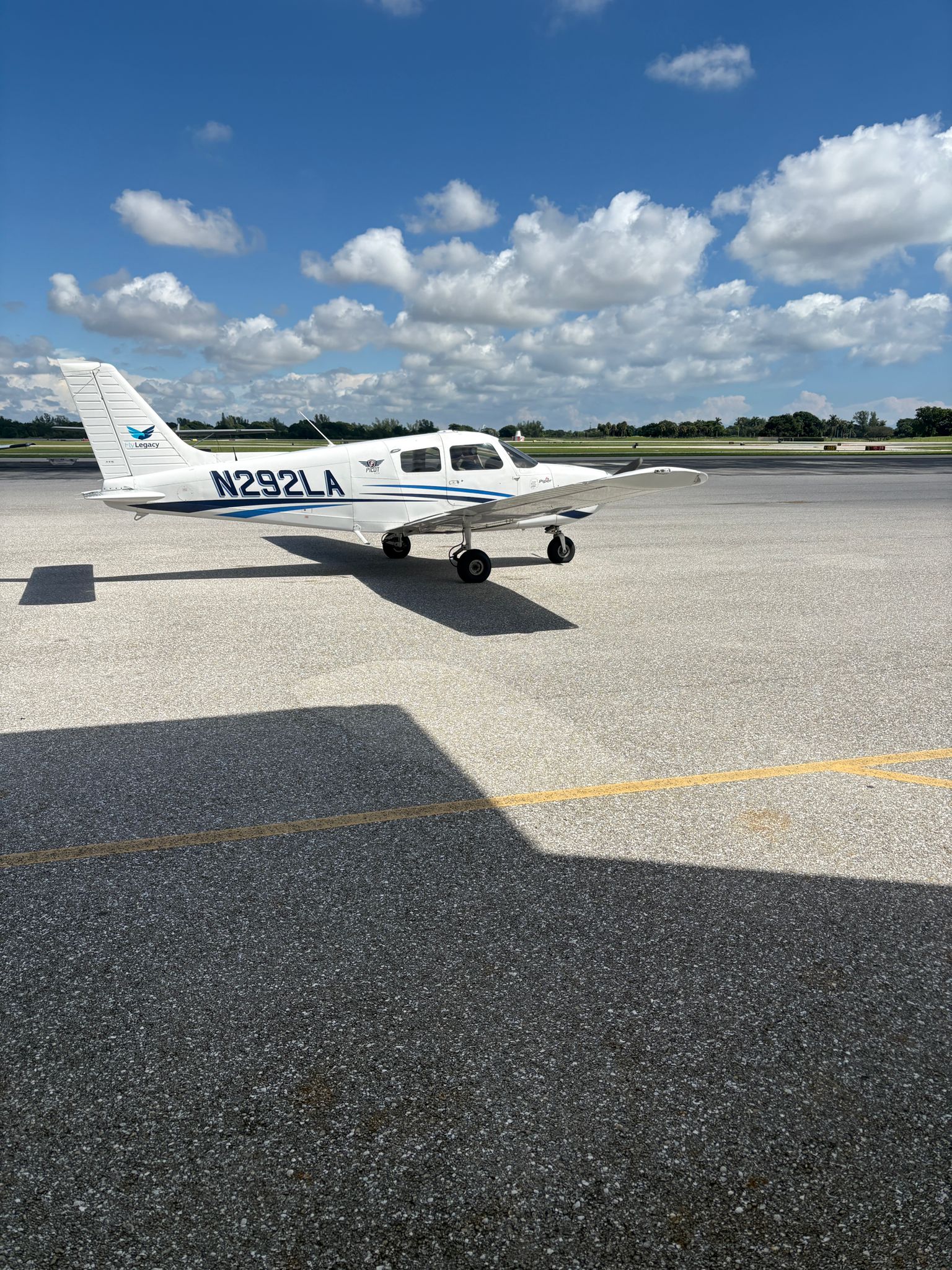
Scheduling Flight Lessons Coral Springs Students Can Keep Up With Life
Build a Flight Lesson Schedule That Actually Works
Starting flight lessons in Coral Springs feels exciting. You book a few flights, take a discovery lesson, and you are sure you will be done in no time. Then work runs late, school projects stack up, afternoon storms roll through, and suddenly your “twice a week” plan is down to once every couple of weeks.
Most of the time the problem is not your motivation. The real issue is a schedule that does not match real life, especially as late fall and the holiday season crowd your calendar. A smart plan for flight lessons in Coral Springs has to work with work shifts, family events, shorter daylight, and South Florida weather.
In this article, we will walk through how to build a lesson schedule you can actually keep. We will talk about realistic lesson frequency, how to plan your calendar, how to think about weather and daylight, and how a structured school can help you stay on track from your first discovery flight all the way to checkride prep.
Coral Springs students have some special advantages and challenges. South Florida has plenty of flying days, but also quick weather changes, busy airspace, and a very active travel season. With a little planning, you can use those things to your benefit instead of letting them throw off your training.
Why So Many Student Pilots Fall Off Schedule
A lot of student pilots start strong, then slowly drift off their plan. It usually happens for simple, everyday reasons:
- Work shifts change or run late
- School exams and projects pile up
- Family visits and holiday events fill weekends
- Travel plans cut out several days at a time
On top of that, South Florida weather can surprise you. Afternoon thunderstorms pop up fast. Visibility can change quickly. As the year moves toward winter, the sun sets earlier, so weekday evening lessons get tighter or disappear.
When lessons get spread too far apart, a few things happen:
- You forget details from the last flight
- You lose confidence on maneuvers you just learned
- You end up repeating parts of lessons and adding hours
That is when training starts to feel slow and expensive. Many students then try to push harder, stacking too many lessons back to back. That can lead to burnout, not because they lost interest in flying, but because they tried to train at a pace that did not match the rest of their life.
A better way is to pick a “sustainable pace.” This means you look honestly at your work, school, and family load, and build your flight schedule around that. Your plan does not have to match what other students do. It just has to be steady and realistic for you.
Designing a Realistic Lesson Plan for Coral Springs
Your first big choice is how often to fly. Think about your weekly energy, not just your free hours.
Here are three common paths:
- About 1 lesson per week: slow but steady progress, good for very busy students
- About 2 lessons per week: a strong pace that keeps skills fresh without feeling extreme
- Short “bursts” during breaks: more frequent flying during school breaks or lighter work periods
If you work full-time with a set schedule, you might lock in the same early morning or weekend slots every week. If your schedule is flexible, you can aim for more flights during days with better daylight and calmer weather.
A good plan also looks ahead, not just week to week. Many students find it helpful to map out:
- A 30-day plan: what you want to cover in the next few lessons
- A 60-day plan: key goals like first solo or first cross-country
- A 90-day plan: bigger milestones like checkride prep
Around November, daylight becomes a bigger factor. It is smart to:
- Favor mid-day or weekend slots if evenings are too short
- Use darker hours for ground lessons and simulator time
- Keep a list of topics to study when the weather or light does not allow flying
Treat your ground study like a class on your calendar. Block time for reading, online ground school, and practice tests so your written prep stays lined up with what you are doing in the airplane.
Smart Scheduling Strategies to Avoid Cancellations
A strong schedule is not just “how many lessons”; it is also “how you protect them.” A few simple habits can cut down on cancellations and no-shows.
Try these time-blocking ideas:
- Reserve the same days and times each week, so others learn not to book over them
- Put flight lessons in your calendar as non-negotiable, like an exam or work meeting
- Tell family and coworkers that these time blocks are for training
Build in backup options, too:
- Have a second-choice lesson time in mind each week
- When possible, pick earlier in the day to dodge the most common afternoon storms
- Keep one or two “flex” windows on your calendar to catch up if something slips
Understanding local weather patterns is a big help in South Florida. Often, the best times to fly are early mornings before things heat up or during stable mid-day windows on certain days. Planning around common storm times will save you a lot of last-minute changes.
The holiday season needs extra care. Before your calendar fills up, try to:
- List your travel dates and major events
- Share those dates with your instructor early
- “Stack” a few lessons just before or just after trips to keep momentum
Good scheduling tools and clear communication with your instructor make all of this easier. When everyone sees the plan and any changes quickly, it is much simpler to stay on track.
Staying Motivated and Making Every Lesson Count
Even with a great schedule, motivation can rise and fall. You will have days when life runs your energy down. That is normal. A few simple habits can help you stay encouraged and focused.
Set clear written goals. For example:
- Month 1: complete basic maneuvers and patterns
- Month 2: aim for first solo
- Month 3: plan first cross-country and set a target date for the written test
Talk through these goals with your instructor and review them often. After each lesson, a short debrief helps you see progress and plan the next step. Tracking your logbook and noting small wins, like smoother landings or better radio work, reminds you how far you have come.
Build a support system around your training:
- Connect with other students at the airport
- Join online pilot groups where you can share tips and questions
- Explain your time commitment to friends and family so they can support your schedule
When a flight cancels, do not treat it as lost time. Turn it into:
- Chair flying at home, talking through checklists and flows
- Extra ground study or practice tests
- A ground session with your instructor to review maneuvers or checkride questions
A structured training plan and guidance from experienced instructors help turn “life happens” moments into learning chances. With the right attitude and a schedule that fits your world, you can keep moving forward, even when plans shift.
Frequently Asked Questions About Scheduling Flight Lessons
How Often Should I Schedule Flight Lessons in Coral Springs?
Aim for 2 to 3 lessons per week if your schedule allows, since that keeps skills fresh. If your life is very busy, 1 lesson per week can still work, as long as you plan regular study time between flights.
Can I Still Train During the Busy Holiday Season?
Yes. Plan ahead by sharing travel and family events with your instructor, booking key time slots early, and using any canceled flights for ground study so your progress does not stall.
What Happens If Weather Cancels My Lesson?
In South Florida, weather changes are normal. When a lesson is canceled, you can often reschedule quickly or turn that time into a productive ground session so you stay on track.
Can I Learn to Fly While Working or Going to School Full-Time?
Many students do. The key is to be honest about your schedule, pick a weekly lesson load you can keep, and protect those time blocks like you would a class or important meeting.
How Do I Get Started with Flight Lessons in Coral Springs?
A great first step is a discovery flight at a local flight school. During that visit, you can talk about your goals, weekly availability, and a target training timeline so you leave with a clear, realistic plan.
Take The Next Step Toward Becoming A Confident Pilot
If you are ready to turn your aviation goals into real skills, our flight lessons in Coral Springs are designed to guide you from first flight to certified pilot. At Fly Legacy Aviation, we focus on personalized instruction, safety, and a clear training path that fits your schedule. Reach out through our contact page so we can answer your questions and help you choose the right course to get started.
