
Learning to talk to air traffic control is a key part of flight training, and it can feel pretty overwhelming in the beginning. For students training on twin-engine planes around the Northeast Philadelphia Airport, it’s not just about flying the airplane. It’s about learning how to stay calm and speak clearly even when the skies start to feel a little crowded.
At our flight school in Philadelphia, the radio gets busy fast. Our campus at Northeast Philadelphia Airport sits in the corridor between Philadelphia and Trenton, so students get exposed to Class B, C, and D airspace from the very beginning. And since every student moves at their own pace, building confidence with ATC calls doesn’t happen overnight. What helps is knowing what to expect, practicing the basics, and getting familiar with the way controllers manage traffic in this part of Pennsylvania. Here’s how we help students gain comfort one call at a time.
Getting Familiar with Local Airspace
Before a student speaks a single word on the radio, it’s helpful to know what the airspace looks like. Northeast Philadelphia Airport sits in a spot where busy skies meet plenty of controlled zones. Familiarity with the area makes understanding radio traffic a lot easier.
We spend time reviewing which frequencies are used the most, both for tower and ground. During training, students learn to work with Ground Control, Tower, Approach, Departure, Clearance Delivery, and ATIS, so they build habits that match real-world operations. Students often start with simple listening exercises, either from the cockpit or through airband radios before flight. As traffic increases, being able to predict when to expect a call can reduce stress and allow for quicker responses.
There’s nearby Class B and Class D airspace that can shift the tone of a flight, depending on which runway is active and what other aircraft are around. By recognizing which zones overlap and which ones require clearance, students start to pair what they hear on the radio with what they see on the map. That builds awareness, and awareness builds confidence.
Practicing Readbacks Without Rushing
One of the toughest habits to build is slowing down your readbacks. Some students feel pressure to answer fast, thinking speed matters more than clarity. But good communication means clear words and accurate replies, even if there’s a short pause.
We always say to take a breath, write it down if needed, and then speak. Especially during IFR (instrument flight rules) operations, readbacks often include headings, altitudes, and squawk codes. Missing one part could lead to confusion in the air. So we practice reading back each instruction carefully, just as it was given.
Instructors often coach students through calls during low-traffic moments, helping them listen with intention and respond without cramming words together. The goal is to lock in that rhythm early, so when skies get busier, the student already has a solid pattern for replying to ATC calmly and clearly.
Managing Multi-Engine Workload During Radio Calls
Flying a twin-engine aircraft brings its own set of cockpit tasks. Add in radio communication, and it can feel like you’re doing three things at once. That’s especially true when weather is moving in or you’re flying IFR.
To help with that workload, we often divide radio tasks based on what’s happening in the lesson. If the student is practicing approaches, for example, the instructor might handle some of the check-ins while the student focuses on instruments and heading changes.
Here’s how we help students balance tasks during each segment of flight:
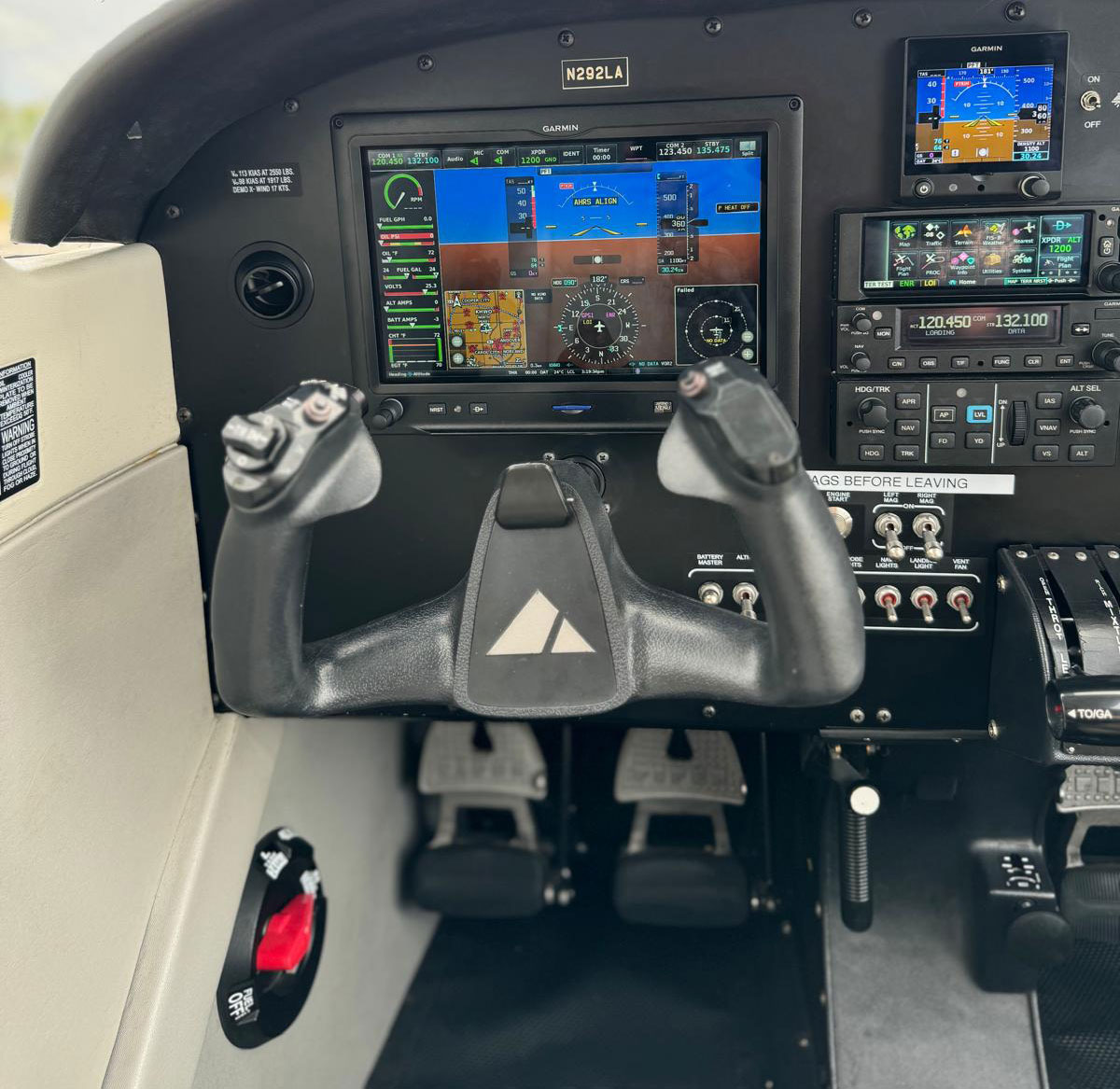
- Engine checks: Keep tracking oil pressure, temperatures, and fuel flow on both sides
- Instrument scan: Maintain a solid flow across the panel, without locking on one number
- Talk time: Listen actively, note what’s coming, and use short, clear replies
It’s not easy at first, but with repeated practice, handling radio calls while monitoring twin engines becomes a natural part of the flow.
Picking the Right Words for Common Situations
Once students get comfortable with the basics, it’s useful to go over phrases they’ll use all the time. Northeast Philly airports have a few common call types, and practicing those prepares students for the real thing.
Some of the most used calls include:
- Taxi instructions: Letting ground know you’re ready and listening for the taxi route
- Departure calls: Reporting hold-short positions or ready-for-takeoff reminders
- Handoffs: Acknowledging frequency changes and contacting new controllers properly
Keeping words short and accurate matters. Saying “ready for taxi” rather than adding extra details keeps the exchange clean. When something gets missed or unclear, having go-to phrases like “say again” or “confirm last instruction” can make the fix quick and easy. We let students repeat those lines until they roll off the tongue, building fluency call by call.
Staying Calm in High-Traffic Skies
There are moments, especially during busy training blocks, when traffic stacks up and patterns start to fill. That’s when staying calm really comes in handy. It’s easy to feel rattled when other voices are chiming in nonstop or when quick ATC instructions catch you mid-task. But the goal isn’t perfect timing. It’s staying focused and clear.
Students practice breathing through busy moments and learn how to break down instructions into small pieces. If something gets lost, we always remind them it’s okay to ask for a repeat. Staying relaxed helps avoid rushed messages or mashed-up callouts.
Training in a flight school in Philadelphia brings the benefit of familiar skies. Over time, students start to recognize call signs, routes, and clearances that repeat during common practice flights. That consistency helps them settle into a steady rhythm.
Building Real Confidence One Call at a Time
Confidence on the radio doesn’t show up all at once. It comes from hearing the same call six or seven times and finally replying without double-checking. It comes from missing something once, fixing it with help, and moving on.
Flying through the Northeast Philly area gives students the chance to build both skills, communication and aircraft control. We offer training from private pilot certification through multi-engine ratings, so radio skills are reinforced at every stage of a pilot’s progression. And learning those together, especially in a twin-engine training program, gives each student more tools to grow. The more time spent in controlled airspace, the easier it becomes to stay in sync with everything that’s happening outside the windshield and over the radio.
With steady practice, radio calls turn into just another part of the flight, no different than a checklist or a throttle adjustment. It’s not about saying it perfectly every time. It’s about staying level, responding cleanly, and building trust in the cockpit, not just with the plane, but with every call that comes through the headset.
Building time in twin-engine aircraft around Philadelphia provides a valuable opportunity to improve your ATC communication skills, and our experienced instructors are here to guide you every step of the way. With focused instruction and consistent practice, managing radio flow in controlled airspace becomes second nature. Explore our flight school in Philadelphia to see how Fly Legacy Aviation can support your training goals. Reach out today to get started or ask any questions about our programs.