
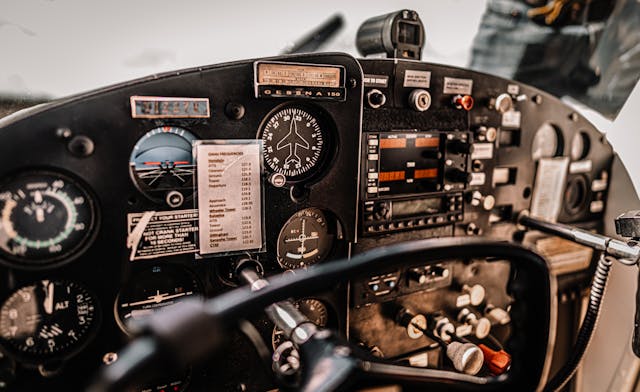
Night flying in a twin-engine aircraft changes everything. It’s quiet, calm, and just different enough to make the smallest tasks feel new again. We include night flights as part of regular training because they help students build focus in a way that daytime flights just can’t.
When students begin flying lessons in South Florida during the cooler winter months, they get the added advantage of calm winds and fairly steady skies. At Fly Legacy Aviation’s Florida campus, instrument training is offered alongside multi-engine courses as part of a full lineup that includes private, commercial, and instructor programs, and covers everything from private pilot training to twin-engine ratings and instrument instruction. That means more chances to train consistently, even after the sun goes down. Around places like Pompano Beach, the coastlines light up, and air traffic stays active well into the evening. That makes it a strong environment for building comfort with real nighttime conditions while flying a twin.
Getting Ready for Your First Night Lesson
Flying at night starts long before the engine turns on. We focus a lot of time on preparing students before they get in the cockpit. Since things just look different in the dark, paying attention early in the process is key.
Before the flight, students go through a full check of flashlights, cockpit lighting, and even spare batteries. Every switch, knob, and gauge needs to be visible and reachable. We take the extra time during pre-flight briefs to talk through increased traffic, lighting systems on the ramp, and overall visibility. It’s a simple step, but one that keeps things smooth once students get moving.
Taxiing in low light brings a new challenge too. Taxiways and signs don’t stand out the same way they do during the day. Here’s how we help students stay one step ahead:
- Practice identifying runway edge lights, taxiway markings, and holding points ahead of the flight
- Talk through quick ways to reference maps and airport diagrams by red light during taxi
- Go slow, it’s more about control than speed when moving around the airport after dark
All of this happens before even getting clearance to take off. But each part of this early process matters. Getting it right on the ground builds confidence once it’s time to fly.
What It’s Like to Fly a Twin at Night
Once you’re in the air, the entire mood of the cockpit shifts. The outside world fades away, and the glow of the panel becomes your primary focus. At our South Florida campus, these night twin-engine lessons are flown in the Diamond DA-42 Twin Star with a Garmin G1000 glass cockpit, so you get used to working with a modern avionics suite in the dark. We make sure every student understands how much more important it is to trust their instruments and pacing with twin engines.
Moving from lights-out takeoffs to steady climb-outs requires eyes both inside and outside the plane. You can’t always count on visual references, especially between towns or over unlit stretches of land. Here’s where scanning the gauges really matters. Altitude, heading, and speed all need steady attention.
At night, the air tends to be smoother. Especially in January, cooler temps make for steadier patterns, which helps a lot when students work on:
- Holding level flight while watching panel gauges instead of city lights
- Timing turns by instruments and radio calls instead of just landmarks
- Practicing steady climbs and descents with nighttime spacing from air traffic
The feeling of flying a twin at night is something students remember because it forces them to stay sharp. Every habit built in daylight becomes even more important once the skies are dark.
Using Visual Cues Around South Florida
Flying in South Florida brings some real advantages for student pilots. Cities like Fort Lauderdale, Pompano Beach, and Boca Raton are lit up enough to serve as strong checkpoints in the sky. You can track your position just by watching how the lights change beneath you.
But not every area is lit evenly. Some spots around the Everglades or open water go dark fast. In those areas, students need more than city lights. We teach them to use surface streets, bridges, and even marina patterns to help them check their heading. Around coastal zones, boats can sometimes look like other aircraft, so we double down on ID checks and solid spacing.
Airports like Pompano Beach Airpark use fixed lighting and clear signage, which helps reinforce the cues students already studied on the ground. During training, we take time to review:
- How to read approach path lights and know when they change
- When to expect lighting patterns to adjust around closing hours
- What to do when visibility drops and instrument-only reference becomes needed
Flying at night in this area can actually feel more relaxed once students know what to look for. It’s about seeing what matters and learning to let go of distractions.
Learning to Communicate Clearly After Dark
Dark skies tend to make radio work more important. When students can’t always see other aircraft right away, they rely much more on what they hear. That means radio calls need to be steady, clear, and cleaned up from the rushed speech that sometimes happens under pressure.
The multitasking of managing twin throttles, lights, and radio confirms just how useful flight lessons can be. At night, every cue matters just a little more. We prepare students through slow practice and calm patterns that help dialogue feel natural, not forced. Here’s how we strengthen that skill set:
- Trim radio calls down to the essentials, especially during traffic
- Practice repeating instructions word for word in holding patterns
- Rotate between towered and non-towered airports for more range
Night flights give students the room to slow down, plan replies, and focus on how their voice helps keep the pattern in sync. It’s not just what you say, it’s when and how you say it.
Building Confidence Bit by Bit
Nobody becomes fully at ease with night flying after just one flight. Like everything else in aviation, it takes reps. Each session adds a little more comfort with the lights, traffic, and tighter spacing in the dark.
In South Florida, the warmer winter evenings mean we don’t have to juggle snow or icy runways between lessons. That gives students more chances to build night hours without the seasonal strain that happens up north. Over time, repeated exposure helps:
- Build calm scanning habits that don’t rely on bright landmarks
- Reduce radio stress during approach and busy pattern calls
- Tie together the ground, air, and communication skills into one flow
The more students fly twins at night, the more they learn to trust their training. And that trust is tough to build without getting up there and seeing it all firsthand.
South Florida offers smooth winter evenings, well-lit coastlines, and dynamic airspace that make night twin-engine training both safe and rewarding. Our instruction focuses on clear communication and skill-building, giving you greater confidence that lasts long after your checkride. Ready to take your next step? Reach out to Fly Legacy Aviation to schedule your flying lessons in South Florida and experience real progress in every lesson.
