
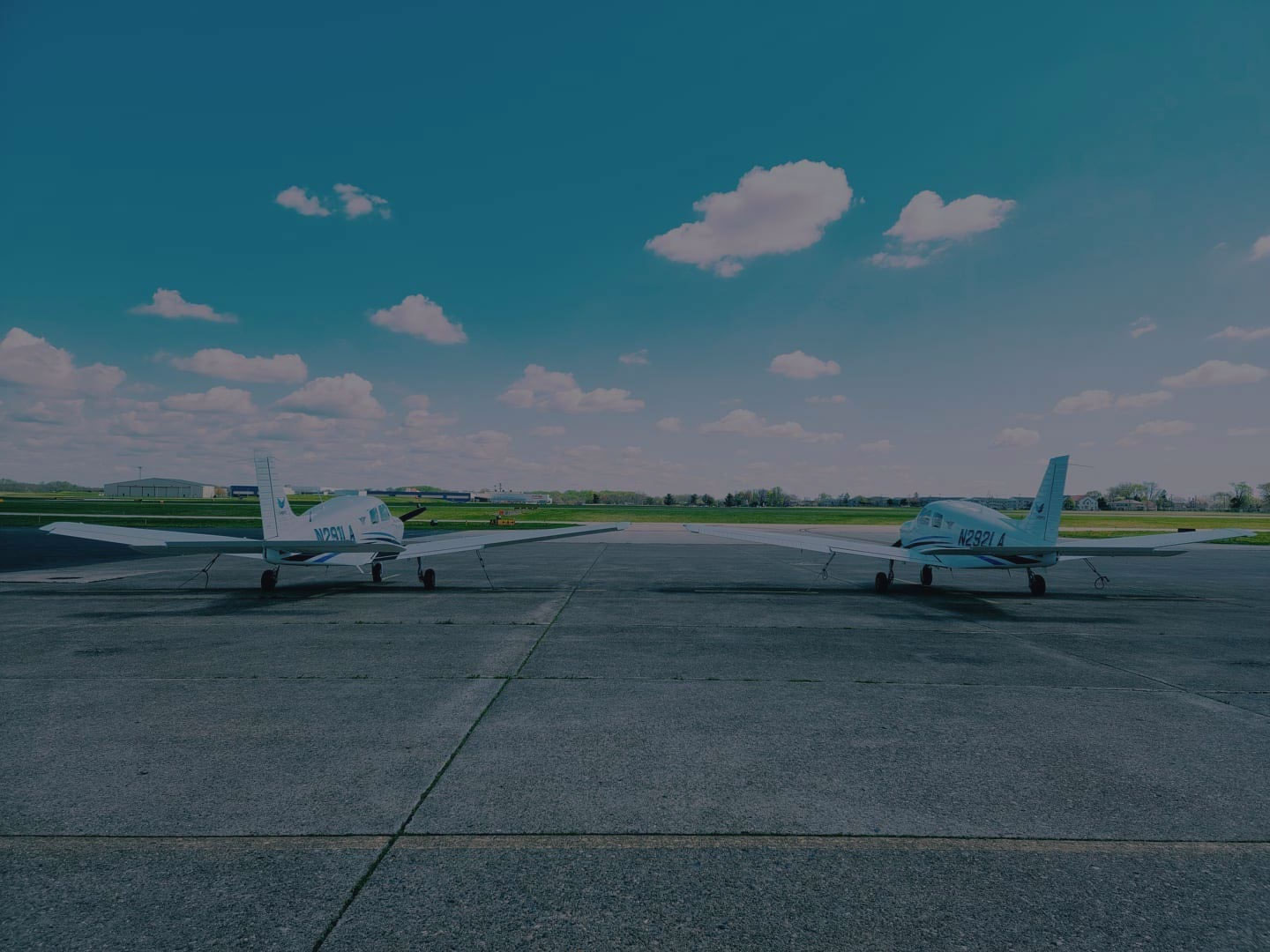
Florida skies can surprise you, especially when you’re flying out of places like Pompano Beach. The wind doesn’t always behave the way you expect, and for pilots learning in twin-engine aircraft, those soft ocean breezes can quickly shift into something more noticeable. Many students at a multi engine flight school in Florida notice coastal winds the moment they lift off. It’s not about strong gusts so much as how those winds change right when the wheels leave the ground.
Tropical wind patterns near the coast, mixed with Florida’s flat terrain and spring warmth, shape how climbouts feel in a multi-engine plane. From the first hundred feet, we start adjusting for changes we can’t always see. Climbout performance becomes a hands-on lesson in real-time decision making, and every student starts to learn what those early moments in the air are really telling them. At Fly Legacy Aviation’s Florida campus at Pompano Beach Airpark in Pompano, Florida, those lessons happen on a 5,000 foot runway with an operating control tower, so students feel these shifts while working in real controlled airspace.
How Tropical Winds Shape the First Few Minutes After Takeoff
Tropical winds are part of life near the Florida coast. They shift throughout the day and can show up strong mid-morning or late afternoon. Sometimes they roll in smooth off the ocean, but other days they spin up crosswinds from strange angles without much warning. Either way, we feel them right away on climbout.
In the first few moments after takeoff, pilots in twin-engine aircraft have to work a little harder when those winds kick in. It’s not just the push of wind itself, but how it changes the feel of each engine’s performance. Gusts or quick directional changes push against the aircraft, making it harder to hold a straight climb. Gusty conditions tend to come with sudden side loads that show up through the rudder pedals.
We often hear students describe their first windy takeoff as jumpy or twitchy. They notice a strange pull in one direction, even if their instruments look balanced. Some feel like they need to fight the plane to keep it straight, when they just need to ease into the wind and stay ahead of it. That experience sets the tone for what they’ll need to watch on every climb.
Extra Attention on Engine Symmetry and Power
Climbout gets more interesting when wind starts pushing harder on one side. The two engines are doing their job, but they’re affected by wind differently. If a gust pushes the nose in one direction, it creates pressure that makes one engine seem stronger than the other, even when they’re set evenly. It’s not something you spot right away unless you’re watching closely.
That’s why we remind students to recheck power settings, even if things were perfect at takeoff. Winds can exaggerate small imbalances, and the earlier we catch them, the easier they are to manage. Holding coordinated flight in those first few hundred feet becomes a balancing act between staying level and adjusting just enough without overcorrecting.
Here are a few habits that help in this part of flight:
- Scan engine gauges again at 400 feet to confirm symmetry
- Use small, steady rudder inputs instead of fast corrections
- Listen closely for changes in engine pitch when under wind pressure
Every multi-engine student has a climbout that doesn’t feel quite right, often because of these effects. Learning to spot them quickly and stay calm while making smooth adjustments builds real flying skill.
Humidity, Heat, and What They Do to Climbout Efficiency
Florida’s spring weather comes with another twist. Along with wind, we’re flying through warm, wet air that changes how the engines breathe and the wings perform. The closer we are to sea level, the more humid air we get pulling through the engines. That means less thrust in some cases and slower climbouts than students expect.
Climb performance usually drops a bit when the air is wet and heavier. The plane still flies fine, but it takes more runway and longer to gain altitude. New pilots sometimes expect things to pick up quickly, like they would on a cooler, dry day. Instead, they find themselves holding climb speed longer just to gain six or seven hundred feet.
Monitoring this part of the flight is more than just watching numbers. It takes some feel. When the air is warm and thick, the plane responds differently. We coach students to be careful with how hard they push the engines, since some will run hotter in this kind of weather. Even though we’re close to sea level, that doesn’t always equal better performance in multi-engine aircraft.
Instructor-Backed Tips That Help Build Confidence
Staying ahead of tropical winds and thick air takes a mix of awareness and practice. That is why repeat flights in similar weather help a lot. We work with students to understand how things shift from day to day, or even hour to hour, so they stop guessing and start reacting the right way.
Some of the habits that make a big difference when climbouts feel off include:
- Making small rudder inputs early to keep alignment from drifting
- Watching power on both engines after gear up, not just at rotation
- Avoiding sharp pitch-ups when the air is dense or unstable
When flights feel shaky or uneven after takeoff, students tend to stiffen or overcorrect. That’s when instructors can step in with calm guidance. Hearing reminders like “ease into the climb” or “hold that rudder another second” can change how a new pilot feels the rest of the flight. The goal is not a perfect climbout. It is being steady when the wind makes things unpredictable.
We often practice the same departure multiple times, just to help students get used to how different it feels with stronger winds, higher humidity, or slow engine response. By repeating the process under varied conditions, students stop getting caught off guard. At Fly Legacy Aviation’s South Florida campus, our exclusive Diamond DA42 fleet is used in a 6 day intensive multi-engine course that includes 10 hours of flight instruction and 10 hours of ground training, so pilots experience many climbouts in a short time while they refine these skills.
A Clean Climb Starts with Knowing What You’re Facing
Florida throws a mix of wind, heat, and humid air at pilots learning to fly twin-engine planes. Over time, students begin to feel the difference in how each takeoff starts and how fast they have to work through the climb. These changes are not tricks. They are part of how flying works in this region.
Understanding this early helps pilots stop second-guessing what the aircraft is doing. When we know what to expect from tropical winds and warm spring air, we fly better. We make cleaner calls, keep the plane steady, and trust our instincts more often. No flight is ever exactly the same, but that is part of what sharpens every takeoff.
Learning strong climbout skills in changing coastal winds is an important part of building confidence and reliable flight habits. Training at Fly Legacy Aviation focuses on Florida’s unique weather patterns and gives you a real feel for what flying is actually like from the start. At our multi engine flight school in Florida, you get time to practice takeoffs and climbouts until responding to wind and heat feels normal. Contact us when you are ready to get more time in the air and take the next step toward improving your skills.