
If you’ve been flying out of Pompano Beach lately, you might’ve noticed something different. The skies feel busier, the radio chatter a little heavier, and practice areas that used to feel wide open now seem just a bit tighter. With warmer winter weather drawing more aircraft into the area, it’s not just your imagination.
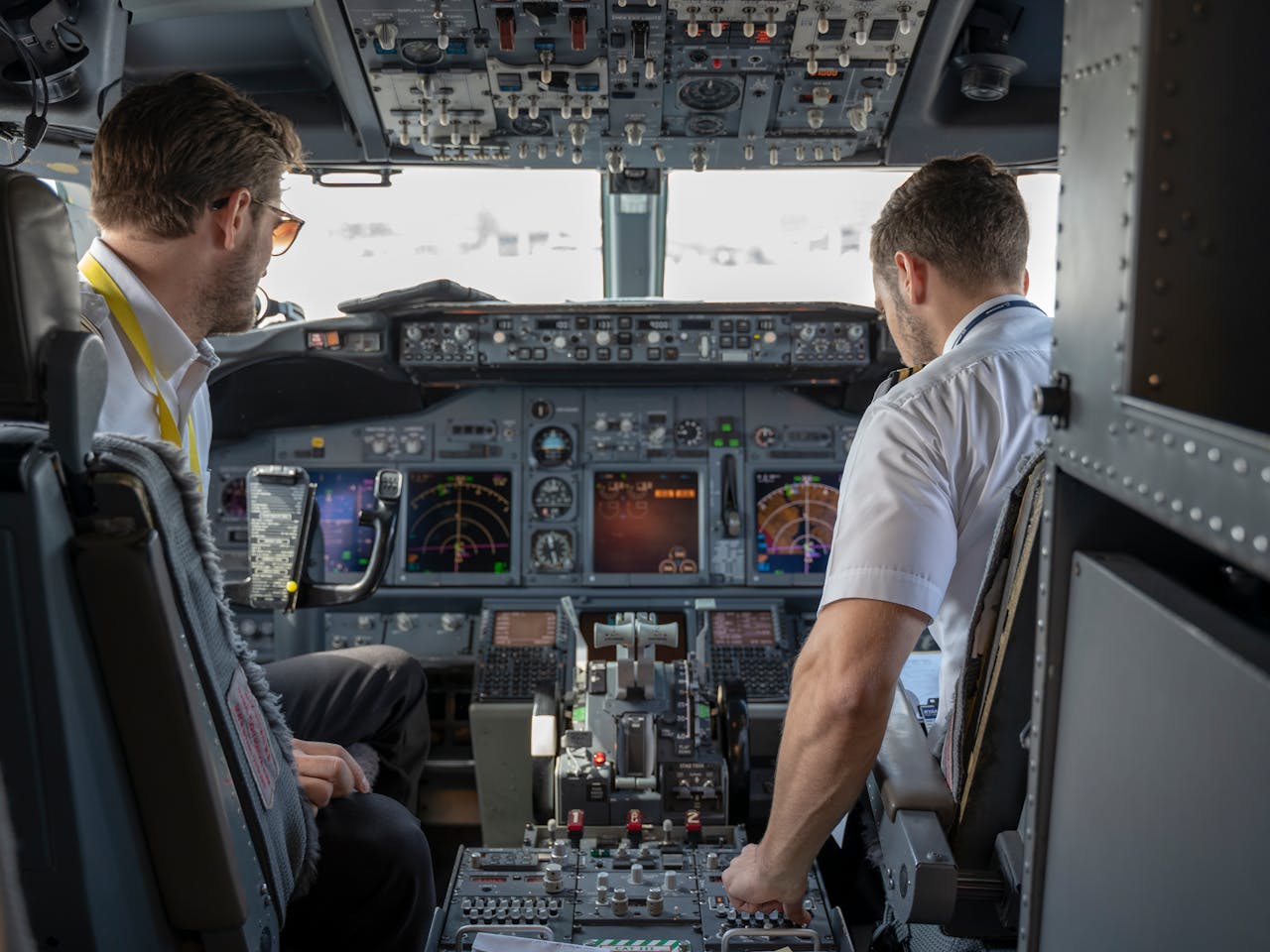
Flight schools in South Florida are seeing a seasonal uptick, and that means more students flying more often. For those of us training in multi-engine planes, that extra activity makes it even more important to stay sharp and ready. Let’s talk about why it feels so packed above us right now and how we can keep flying with confidence in more crowded airspace. At Fly Legacy Aviation’s Florida campus at Pompano Beach Airpark, multi-engine students train in the Diamond DA42 equipped with a Garmin G1000 glass cockpit, so they gain experience managing traffic with modern avionics.
More Students in the Sky as Training Schedules Pick Up
Each year, when the colder states start dipping below freezing, we see new faces in the hangars. Winter draws out-of-state students to Pompano Beach by the dozen, eager to train in clear skies without the delays that snow and ice bring. More students mean more flights, which means more multi-engine and single-engine aircraft sharing the local airspace.
Many schools adjust their schedules this time of year. With better weather windows and more low-wind days, lessons are packed in closer together. Some blocks of airspace get used multiple times a day. That’s especially true for the altitudes where we often practice engine-out procedures, approaches, and flight maneuvers. It creates a steady, buzzing rhythm throughout the day, where the skies above Fort Lauderdale Executive and the east edge of the Everglades barely get a break.
How Local Weather Affects Traffic in Practice Zones
Pompano Beach delivers some of the most flyable winter weather you can find. Clear mornings, gentle winds, and stable temperatures stretch flight hours into the late afternoon. It’s the kind of weather where flying just feels good. But that brings out everyone, single-engine students, multi-engine crews, and even hobby pilots logging time.
We share many of the same practice locations. Those ideal winter conditions don’t favor one kind of aircraft over another. In fact, visibility and low turbulence mean both beginner pilots and more advanced students head for the same airspace. That includes those 3,000 to 5,000-foot bands where multi-engine lessons tend to stay for pattern work and system drills.
So as skies calm down, traffic heats up.
Staying Alert When Practice Areas Are Packed
Increased traffic doesn’t just mean more planes around. It affects how we hear, see, and fly. Radios stay active longer. Pilots talk over one another. Tower and CTAF frequencies get louder. It takes real focus to catch the right callout or hear someone report a position.
That’s where a strong scan and good radio habits matter. When we’re flying twins in tighter airspace, we always look for:
- Clear calls that include position and intentions
- Prompt acknowledgment of traffic in sight
- Patience in waiting for a quieter moment to speak
Multi-engine flying often puts us close to pattern limits and higher speeds. Paying attention to flow, listening before we speak, and adjusting our position even a few hundred feet can help avoid overlap with single-engine training flights nearby. One solid cross-check can save a scramble later.
Planning Around Busier Airspace
One of the easiest ways to keep control during a crowded day is to start with a better plan. Not all times of day are the same, and neither are all practice areas. If we know where the bulk of students will be, we can pick a different window or head out a bit further to create some breathing room.
Before we launch, we try to talk things out with our instructors. That includes checking for:
- Known traffic surges based on school schedules
- Possible detours from bigger inbound or outbound aircraft
- Upcoming weather that could compress everyone into a smaller area
We also double down on our normal checklists. When things get busier, the first thing to go is often smooth transitions between tasks. In multi-engine planes, that can lead to fuel switch mistakes, forgotten callouts, or power changes in the wrong order. Having solid flows and a clear picture of the plan helps us fly steady when everything else feels a little tight.
Sharpening Multi-Engine Skills in Real-Time Conditions
The truth is, we grow more when there’s something to work through. And busy skies give us exactly that. Every traffic call or course correction becomes practice at making decisions under pressure. When we manage checklists, monitor two engines, watch traffic, and maintain spacing all at once, we’re building habits that stick. At Fly Legacy Aviation in South Florida, the accelerated multi-engine rating course in the DA42 combines 10 hours of flight instruction with 10 hours of ground training over about six days, keeping students immersed while they adapt to real traffic levels.
Working in active airspace teaches us how to:
- Track traffic visually and on GPS simultaneously
- Adjust climbs or descents to match gaps in the flow
- Communicate clearly with ATC and other aircraft during unusual maneuvers
These moments help us build the confidence to take command of the aircraft, trust our systems, and make decisions quickly without rushing. That kind of awareness doesn’t come from empty skies.
Why These Crowded Skies Make You a Better Pilot
We don’t train for perfect conditions. We train for whatever shows up that day. Having more airplanes in the air means we get more chances to react, adjust, and stay alert. Every time we fly through a busier practice area and keep our cool, we’re proving we can handle bigger days later.
The skies around Pompano Beach may feel more crowded this winter, and that’s true. But this is the kind of crowd that prepares us. It tests our timing, our listening, and our flying. And every flight, packed or not, takes us one step closer to the pilot we aim to be.
At Fly Legacy Aviation, we understand how important it is to keep growing as a pilot, especially when skies feel more crowded than usual around Pompano Beach. Extra traffic gives us a chance to sharpen awareness, fine-tune our skills, and stay steady under pressure. That kind of experience matters when you’re flying twins and preparing for what’s next. When you’re comparing flight schools in South Florida, we’re here to help you train with confidence. Call us anytime to talk about your next steps.