
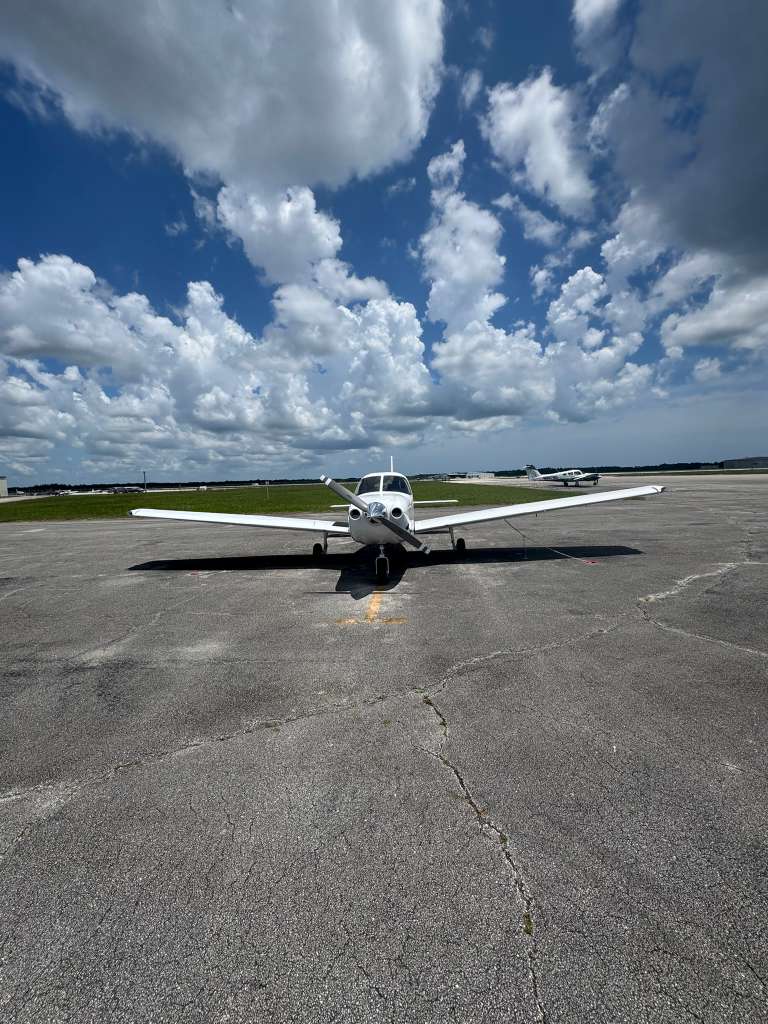
Taking a multi-engine checkride in Florida can feel like a big step, especially when you have worked through hours of training and you are flying in real heat and humidity. If you are going for flight instructor certification in Florida, staying calm becomes just as important as flying the maneuvers. Training takes place at Pompano Beach Airpark in Pompano Beach, Florida, which offers a 5,000 foot runway and an operating control tower that give your checkride a realistic, professional environment.
The plane might be familiar, but the pressure of showing your skills to an examiner can shake your focus. Add in the warm January skies over Pompano Beach, a little moisture in the air, and the weight of all your past lessons, and it is easy to feel jittery. That is why we always remind our students that preparation is more than just checklists and procedures. The way you think, breathe, and reset during your checkride matters too.
Know the Checkride Flow Ahead of Time
A calm mind starts with knowing what is coming. When you understand how the checkride usually goes, it takes out some of the fear of surprise. Most multi-engine checkrides follow a similar structure, especially under Florida’s winter skies. Here is what that often looks like:
- A review of your paperwork and flight plan
- A full preflight inspection under the examiner’s watch
- A mix of ground questions and scenario-based thinking
- A focused flight afternoon that covers engine-out handling, normal maneuvers, and emergency drills
Since Pompano Beach weather can shift around midday, we try to prep students to expect minor changes or reroutes. Local wind patterns can shift in the winter months, and that might affect your approach or traffic pattern. The better you know the basic order and rhythm of the checkride, the easier it is to roll with small adjustments and keep your nerves from taking over.
Get Comfortable with the Plane and the Weather
By the time the checkride rolls around, you should be flying the multi-engine almost without thinking. But even small changes like flying a slightly different tail number or forgetting how the aircraft reacts to dense Florida air can trip you up. If you are training in Pompano Beach, January often brings damp mornings and higher humidity that linger longer than expected. That might slightly change how the plane climbs or how quickly the airspeed comes alive.
Rather than switching aircraft last minute, stick with the one you have practiced in the most. Get used to how it performs in warmer conditions. Consider how it feels when:
- You need full power on a hot day to lift off smoothly
- One engine drops offline during a maneuver and you are at a lower air density altitude
- The approach feels “floaty” on a longer landing rollout from a warm runway
Being used to both your aircraft and Florida’s late-winter conditions gives you one less thing to worry about when the checkride begins.
Practice Calm Under Pressure
Staying calm is more than just hoping your nerves will not kick in. It takes active practice to keep your mind relaxed, especially when you are dealing with engine-out procedures or facing a question you had not prepared for.
One way we train for this is by using simple habits:
- Slow, steady breathing during ground and flight segments
- Practicing your flows without touching switches, then silently repeating them aloud
- Letting your instructor add small surprises to build your tolerance for unexpected situations
By the time the checkride comes, you may not feel perfectly relaxed, but you will not be frozen either. You have practiced what it is like to think on your feet and keep flying the aircraft, no matter what.
Understand Expectations for Multi-Engine Pilots
Unlike a private pilot test, a multi-engine checkride looks closely at your decision-making. We remind students that examiners do not expect magic. They just want to see you fly stable and safe, especially with one engine out.
In our experience, pilots working toward flight instructor certification in Florida sometimes focus too much on being flawless. Instead, we emphasize:
- Having solid judgment from engine start to shutdown
- Not rushing decisions under pressure
- Showing that you can think like an instructor, especially when handling emergencies
The more time you have spent reflecting on your flights and asking, “What would I teach a student to do here?” the more natural it feels to fly clearly and calmly during checkride day. Many students complete their multi-engine rating through our accelerated one week program and then move into the certified flight instructor course, which is typically structured as a two to three week path, so checkrides often come on the heels of focused, recent training.
Roll with the Unexpected
Checkrides do not always go exactly to plan. Air traffic may reroute you. You might have to hold longer than you’d like. Clouds can form faster than forecasted. All of these are common in South Florida, even in winter.
So we train students not only on flying, but on staying flexible. You never want to be so locked into one plan that a minor change throws you off. On the day of the ride, stay ready to adapt if:
- The weather window shifts and requires a different sequence of tasks
- The tower delays your takeoff, which shortens your expected flight time
- Your first engine-out location gets skipped and replaced by another
Every smooth radio call and calm decision you make adds to the examiner’s confidence in your judgment.
Keep a Clear Mind from Startup to Shutdown
It is normal to feel the tension when you start the engine with the examiner beside you. What matters more than being completely relaxed is staying focused on what is happening in that moment, and not letting your brain jump three steps ahead.
Every lesson leading up to the checkride adds to the habits you carry when pressure hits. If you have practiced scanning, clear speech, and smooth control inputs, they will stay with you when it matters.
There is no secret formula for a calm checkride. But the right preparation, the right mindset, and strong habits built over time make it much more likely that you will fly the way you trained. That is the goal, steady and safe, with nothing to prove except the kind of pilot you have become.
Preparing for your checkride is all about confidence and readiness in both the aircraft and your knowledge. At Fly Legacy Aviation, our training programs in Pompano Beach are designed to help you master real-time decision-making, from systems to weather. With dedicated training paths for those pursuing flight instructor certification in Florida, we provide focused, hands-on guidance so you walk into your exam ready for success. Reach out today and let us take the next step together.