
Learning to fly a multi-engine airplane is exciting, especially when you’re just getting started with private pilot lessons. But for many first-time flyers in Philadelphia, one challenge stands out early in their training: what to do if one of those engines quits while they’re in the air.
Winter weather in Philly can make things trickier. Cold mornings, icy surfaces, and lower visibility test your skills and your confidence too. At Northeast Philadelphia Airport, it’s not just about learning the controls. The airport has 7,000-foot and 5,000-foot runways and an operating control tower, which creates a safe, professional setting for training. It’s about preparing for real-life problems, and engine-out situations are one of the big ones. Let’s break down why these scenarios trip up so many new pilots and how building good habits during training can make all the difference.
Winter Conditions Make Everything Harder
Flying a twin-engine plane in the winter isn’t always smooth. Even before takeoff, the cold can throw off your rhythm.
- Cold air affects engine performance, especially during warm-up. On freezing mornings, it can take longer for both engines to reach the right temps before you roll onto the runway.
- Frost or ice near the intakes or inside other systems can create problems with airflow and fuel delivery. That alone can lead to uneven running or an unexpected shutdown mid-flight.
Pilots new to twin-engine flying might not be fully ready to handle abnormal conditions, especially right after takeoff. When one engine isn’t pulling its weight, or the power settings feel off, new students can freeze up or get rattled.
That’s why flying in winter calls for extra patience, longer preheats, and a good understanding of how the cold changes the way your plane behaves. Without some experience in chillier weather, these issues can quickly become confidence killers.
Too Many Moving Parts On a Multi-Engine Cockpit
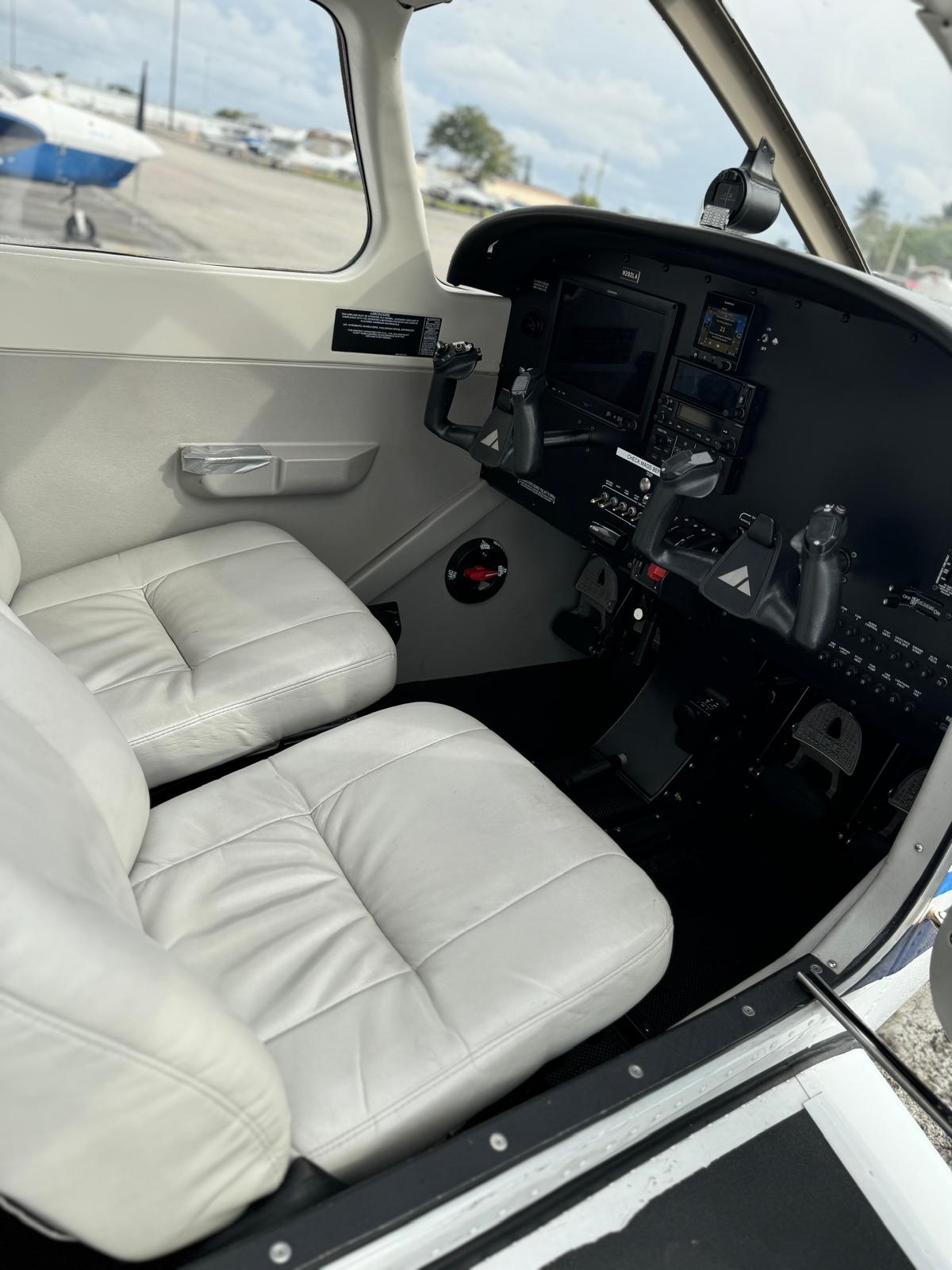
Switching from a single-engine trainer to a multi-engine aircraft brings more than double the power; it brings more complexity too.
- Multi-engine cockpits come with more systems to watch. Instead of focusing on one engine and one set of instruments, now you’re managing two power plants and all the linked systems that come along with them.
- If something goes wrong, like an engine failure, you might need to feather a propeller, shut down fuel flow, adjust trim, and confirm engine instruments, all while staying straight and level.
- Simulators are helpful in practicing the steps, but real flying brings real movement. It takes time to learn how a failing engine feels in the seat, not just how it looks on a panel.
For a first-time flyer, it’s a lot to juggle. Until those steps become second nature, responses can be slow or out of order, turning a manageable situation into a mess.
Busy Philly Airspace Adds Stress to Emergencies
Northeast Philadelphia sits near Class B airspace and some busy approach paths. That alone makes things more intense if something feels off. We train pilots in the busy corridor between Philadelphia and Trenton, so students become familiar with operating in Class B, C, and D airspace early in their training.
- When one engine quits right after takeoff or during approach, you don’t just have to fly the plane. You have to talk to air traffic control, figure out your heading, and maybe divert to a different runway or airport.
- For new pilots, managing the airplane and the radios at the same time can overload their focus. Emergencies demand quick thinking, and Philly’s airspace doesn’t offer much room to stall out on decision-making.
- That’s why private pilot lessons near cities like Philadelphia take the time to build up both flying and communication skills. Still, it’s normal for students to feel pressure when that first engine-out surprise hits.
It takes preparation and steady practice to make those early emergencies feel more like stepping stones and less like breakdowns.
Lack of Repetition During Early Lessons
Engine failures don’t usually show up in the first few hours of training. That’s part of the problem.
- Most students don’t get regular practice with engine-out drills during their first 10 or 15 flights. These scenarios usually get more attention once basic flying skills are in place.
- That leaves a gap where students build hours without really feeling what it’s like to lose power in one engine. By the time the drills arrive, they can feel extra foreign.
- Instructors try to find the right time to start, balancing safety with giving students a taste of real in-flight challenges. Too early, and it can shake someone’s foundation. Too late, and it might feel rushed before checkrides.
For students in Philly, where winter schedules and weather delays can already slow training, not getting enough real-time practice can add to the stress later on.
Staying Calm When Something Feels Off
Confidence plays a big role when something unexpected happens in the air. First-time flyers often forget that losing a single engine in a multi can still be manageable.
- Multi-engine planes are built to fly on one engine. They won’t fall out of the sky if one goes quiet. But that truth takes time to sink in when it’s your hands on the yoke.
- Learning to feel the warning signs, like yaw, weird vibrations, or engine sounds changing, helps pilots act earlier and with less panic.
- The more a student goes through these scenarios with a calm instructor, the more it sticks. It starts to feel like a planned response instead of a disaster unfolding.
We all start out second-guessing ourselves in these situations. The goal is to practice until it becomes just another part of flying.
From Panic to Prepared: How You Get Better With Time
First engine-out drills can feel rough, especially when it’s freezing outside, the heater hasn’t kicked in yet, and your brain is already working overtime. That kind of pressure isn’t fun, but it’s a key part of getting stronger in the left seat.
Nobody walks into private pilot lessons ready to handle everything from day one. Multi-engine flying teaches you how to stay calm when things don’t go to plan, step by step. With time, those emergency checklists become second nature. We provide training under both FAR Part 141 and Part 61, offering courses from private pilot certification through multi-engine ratings, so students can progress in a structured way while they gain experience handling real-world scenarios around Philadelphia. And when you’re flying in and out of a place like Philadelphia, that extra confidence matters. Every hour you fly adds something. Trust the process, rely on solid instruction, and remember that every challenge is shaping you into a better, safer pilot.
Training in the Philadelphia area brings unique challenges like cold weather, busy airspace, and complex cockpit procedures, but the right practice and guidance can help you become a more confident multi-engine pilot. At Fly Legacy Aviation, our location at Northeast Philadelphia Airport provides hands-on experience in real conditions so you’re prepared for anything. Learn how we build these skills from the ground up by exploring our private pilot lessons. Reach out to us today to start flying safely and confidently.