
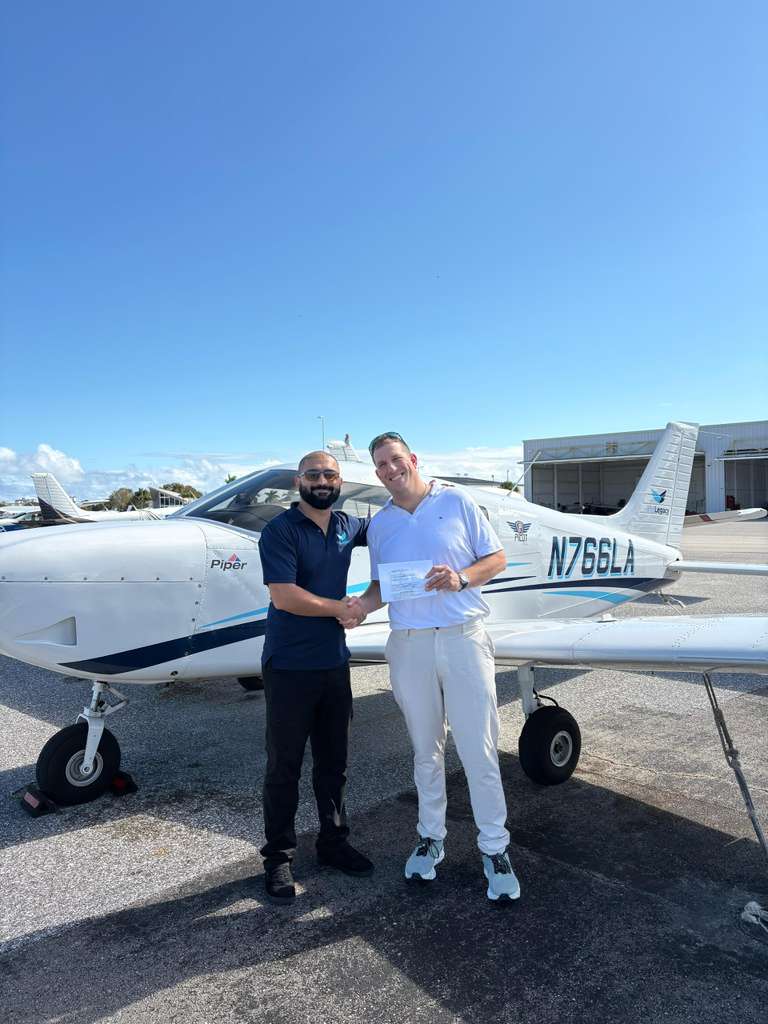
Summer Scheduling Tips for South Florida Flight Students
Outsmarting South Florida Summer Skies for Safer Training
Flight training in South Florida is exciting, but summer afternoons can be rough. Blue skies at sunrise can turn into tall clouds, lightning, and heavy rain in just a few hours. Add high humidity and busy airspace, and it is easy to feel stressed about when to fly and how to stay safe.
That is why smart scheduling matters so much. When you know how the day usually develops, you can plan flights that are smoother, cooler, and less rushed. Newer students often feel nervous about fast-changing weather and crowded patterns, but good habits can turn that stress into confidence.
At Fly Legacy Aviation, we train in both Philadelphia and South Florida, so we see how different seasons shape flying. Our team uses that experience to help students pick better time slots, plan around storms, and keep training moving forward even when the radar starts filling with green and red. In this guide, we will walk through simple tactics to time your flights, manage heat and fatigue, deal with busy airports, and use weather tools the way working pilots do.
Timing Your Flights Around Thunderstorm Patterns
South Florida summer days often follow a pattern. Mornings start calm and clear, with smooth air and cooler ground temperatures. By late morning, clouds begin to bubble up. In the afternoon, the warm, moist air rises fast and builds into big cumulus towers and thunderstorms. Some evenings calm down again, depending on sea breezes and how strong the storms were.
For most student pilots, early morning is the sweet spot. Benefits of flying right after sunrise include.
- Smoother air that is kinder for first stalls and slow flight
- Cooler cockpit temps so you think more clearly
- More predictable weather that is less likely to cut a lesson short
- Less convective activity that might bring turbulence or lightning
A few simple scheduling tactics can make a big difference:
- Book flight blocks that wrap up before the common 2 to 4 p.m. storm window
- Use late morning or early afternoon for ground school or simulator sessions
- Plan cross-country flights so you launch early and land well before the atmosphere gets unstable
When you plan with the daily pattern in mind, you are not fighting the sky all day. You are working with it.
Beating Heat and Fatigue Without Losing Training Quality
Heat and humidity do not just make you sweaty. They affect how you think and react. In summer, students who are not prepared often feel:
- Slower decision-making during busy moments
- Trouble focusing on checklists and radio calls
- More frustration during repeated maneuvers
- Tired much sooner than they expected
Good habits start before you arrive at the airport. Try to:
- Drink water throughout the morning, not just right before the lesson
- Eat light, simple food that will not make you sluggish
- Wear breathable, light-colored clothing and a hat for ramp time
- Bring a reusable water bottle, sunglasses, and sunscreen
On the ramp and in the cockpit, small tricks can keep you sharper:
- Use cooling towels or a small portable fan while preflighting
- Keep the doors or windows open as long as it is safe before engine start
- Plan shorter, focused lessons on the hottest days instead of marathon blocks
After the flight, think about recovery too. Move to an air-conditioned space, rehydrate, and do a quick debrief while the flight is still fresh in your mind. Jot down notes on what went well and what felt hard. For career-track or accelerated students, spacing flights with a little buffer time helps prevent burnout and keeps each hour of training high quality instead of just high quantity.
Navigating Peak Airport Congestion Like a Pro
Summer thunderstorms often squeeze most flying into the same clear windows. That means more training aircraft, more departures, and more pattern work all stacked into a few hours. Traffic around busy South Florida airports and common practice areas can spike quickly.
To cut down on delays and stress, it helps to think ahead:
- Aim for sunrise or early-morning slots when traffic is lighter
- When safe and appropriate, consider late-evening flights after storms clear
- Plan alternative practice areas so you are not stuck waiting for a crowded one
- Use nearby satellite airports for pattern work when your home field is packed
Good radio habits also save time and improve safety:
- Listen before you key the mic so you do not step on other calls
- Think through what you will say before you say it
- Anticipate likely taxi routes and departure instructions
- Stay ahead of the airplane with checklists and mental briefings
Work closely with your instructor to avoid getting rushed in the cockpit. There is no reason to force every maneuver into one busy lesson. It is better to slow down, keep your head clear, and use crowded days as practice in staying calm and organized under pressure.
Smart Use of Weather and Planning Tools
Summer flying in South Florida rewards pilots who pay attention to weather details. As a student, you do not need to be an expert forecaster, but you should know your main tools and what they tell you. Key resources include:
- METARs and TAFs for current and forecast conditions
- Radar to watch where storms are building and moving
- Satellite imagery to see cloud growth trends
- Graphical forecasts and convective outlooks for big-picture planning
Planning apps and EFBs make it easier to bring this all together in your daily routine. You can:
- Set alerts for convective SIGMETs and other hazards
- Watch radar trends before you leave home and during your preflight
- Build alternates and escape routes into every training plan
At Fly Legacy Aviation, instructors help students read the sky and the screen at the same time. Each flight becomes a live lesson in risk management: checking forecasts, making a go/no-go call, updating the plan as storms grow, and talking through what you might do differently next time. Those skills carry over into every rating and every phase of your flying life.
Turning Summer Challenges Into Year-Round Confidence
Training through a South Florida summer can feel intense, but it builds strong pilots. If you can stay calm, hydrated, and organized with heat, fast-building storms, and heavy traffic, you are building habits that will help you anywhere you fly later.
We encourage our students to talk openly with instructors about scheduling. Together, you can set up:
- Early or late-day flight blocks during peak storm season
- Alternating days of flying and ground lessons
- Milestones like first solo or long cross-country flights timed with typical weather patterns
At Fly Legacy Aviation, we see summer as a real-world lab for weather, planning, and workload management. You are not just logging hours, you are learning to think like a professional pilot from your first lessons all the way to airline-ready training.
Summer Flight Training FAQs in South Florida
How Early Should I Schedule Flights During Summer in South Florida?
Aim for the earliest morning slots you can, often right after sunrise, to enjoy smoother air, cooler temperatures, and a better chance of finishing your lesson before thunderstorms and congestion build.
Can I Still Train Safely in the Afternoon During Thunderstorm Season?
Yes, as long as you and your instructor stay flexible and conservative, keep a close eye on radar and forecasts, and are willing to switch to ground or simulator training if storms move into your route or practice area.
What Should I Bring to Stay Comfortable and Focused in the Heat?
Bring plenty of water in a reusable bottle, light and breathable clothing, sunglasses, sunscreen, and a hat for time on the ramp, and consider a cooling towel to make preflight and taxi time more comfortable.
How Does Fly Legacy Aviation Help Manage Summer Weather Risks?
We use structured scheduling, instructor guidance, and modern planning tools to time flights around common thunderstorm patterns, limit exposure to peak congestion, and help you build strong go/no-go and in-flight decision skills.
Will Summer Conditions Slow Down My Progress Toward Ratings?
They do not have to; many students keep a steady pace or even speed up by planning smart, flying during the best windows, and using less flyable hours for ground study, simulator sessions, and detailed debriefs that improve overall skill.
Start Your South Florida Flight Training Journey With Confidence
If you are ready to turn your aviation goals into reality, our tailored flight training in South Florida gives you clear, structured steps to move forward. At Fly Legacy Aviation, we work with you to build a training plan that fits your experience, schedule, and long-term goals. Reach out to us with your questions or to discuss next steps by using our contact page.
