
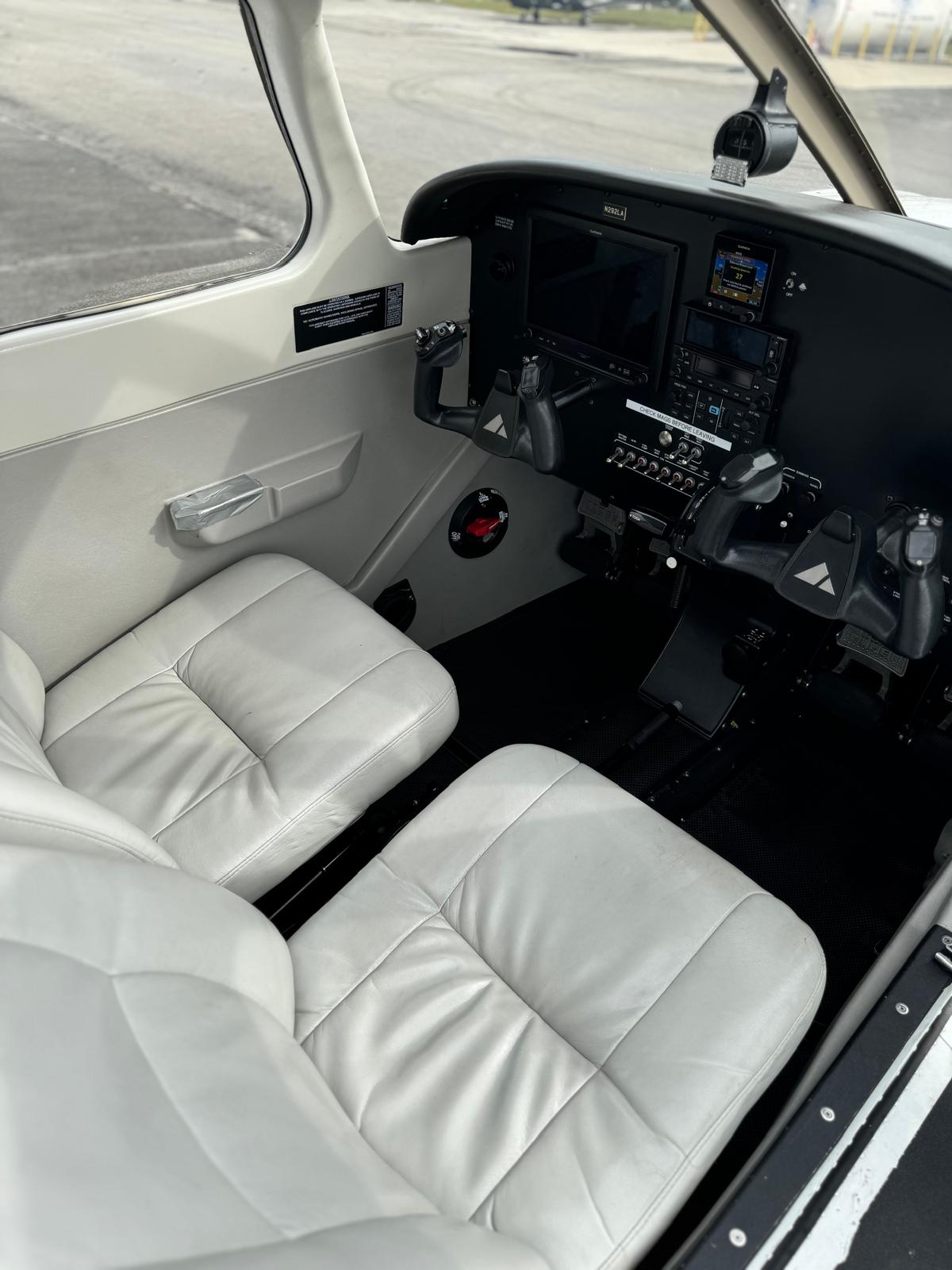
Early-Career Flight Training in South Florida Students Overlook
Early Career Flight Training South Florida Students Overlook
Starting flight training in South Florida looks simple at first. Sign up, get your Private Pilot License, then figure out the rest later, right? That is where many smart students lose time and limit future options without even knowing it. The choices you make before and during your first year of training can shape your whole path to an airline or corporate cockpit.
We see a common pattern. A student waits to start formal, structured training, flies here and there with no clear plan, then hits a wall when it is time to meet airline hiring minimums. They end up going back to fix gaps that could have been avoided with better planning at the start. This guide is meant to help you skip that frustration and treat your early training like the beginning of a career, not just a hobby.
Why Smart Pilots Start Training Earlier Than They Think
The first 6 to 12 months of flight training carry more weight than most new students realize. This is when you build the habits, skills, and mindset that will follow you into advanced ratings and, later, into professional flying.
Those early months matter because you are:
- Forming study habits and cockpit discipline
- Learning how to manage risk and workload
- Building the base that later instructors will either build on or have to fix
In South Florida, the timing around fall is especially powerful. As the holiday season approaches, the days are still long enough for flexible flying schedules, and weather patterns still allow a lot of consistent training days. If you plan well, you can use this period to stack lessons, keep momentum, and move faster through early ratings.
Many students only think about the Private Pilot License when they start. They pick a school, fly when they can, and hope it all works out. What they miss is that choices about schedule, medical, and long-term goals during this time can change:
- How quickly you reach commercial flying jobs
- How ready you are for airline interviews
- How much extra time and money you spend fixing gaps later
Laying the Right Foundation Before Your Private Pilot
Before you even commit to your first full training package, it helps to think through the whole path from discovery flight to commercial and instructor ratings. That does not mean you must finish everything at once. It just means you have a clear map.
A strong early plan should cover:
- How you will move from Private to Instrument and Commercial
- When you plan to add multi-engine and CFI ratings
- How often you can realistically train each week
Choosing a school with structured programs and clear syllabi makes a big difference. You want a training environment where instructors know how to guide students from zero time through advanced ratings, not just through the first license. This kind of structure keeps you from drifting, especially when life gets busy.
Consistency is also a big deal in South Florida, especially in the busy fall and winter training seasons. If you can fly 2 to 4 times a week and keep a set schedule, you will:
- Hold onto skills better between lessons
- Spend less time reviewing and re-learning
- Move through checkrides with more confidence
One more piece students often push off is the FAA medical. If your goal is airline flying, you should get a First Class Medical as early as possible. That way, you know you meet the standards you will need later, and you are not surprised by a medical issue after you have already invested a lot of time.
Overlooked Ratings That Boost Career Options Fast
Many new pilots talk about getting a Private and then a Commercial license. That sounds logical, but it quietly ignores two ratings that are huge for career growth: the Instrument Rating and multi-engine training.
The Instrument Rating is where you really learn to trust your instruments, manage weather, and think like a professional pilot. In South Florida, coastal weather can shift quickly. Training here with instrument work helps you:
- Get comfortable with changing conditions
- Learn to fly precisely by reference to instruments
- Build the confidence employers look for
Multi-engine training is another step that students often treat as an add-on. In reality, earning multi-engine time earlier can open doors to:
- Regional airline interviews
- Part 135 charter jobs
- Corporate flying opportunities
When your training follows a planned path from Private through Instrument, Commercial, and multi-engine, you avoid the stop-and-go feeling that many students fall into. Each rating supports the next, and your logbook tells a clear story of steady growth.
Time-Building Strategies South Florida Students Miss
After you earn a Commercial certificate, there is a big gap between that point and the flight time you need for airline hiring. This is where many students wander. They fly random local flights, take friends up, and log hours that do not really build targeted skills.
Smarter time-building often includes:
- Working toward CFI, CFII, and MEI ratings
- Planning cross-country routes with specific goals
- Setting regular proficiency checks for skills like holds, approaches, and emergency work
South Florida is a great area to plan thoughtful cross-country flights. With a mix of busy airspace, coastal routes, and different airports within a short distance, you can design flights that improve:
- Radio skills with busy ATC
- Planning for fuel, alternates, and weather
- Comfort flying into new and challenging fields
If you pair that with access to different training environments, such as another campus in a different region, you expose yourself to new airspace and conditions. That kind of variety helps you grow faster and show future employers that you can adapt.
Financing, Scheduling, Lifestyle Choices, and FAQs
One reason students slow down is simple: they plan only for the first rating, not for the whole career path. A better approach is to think through how you will support training all the way from discovery flight to being ready for your first flying job.
You will want to look at:
- How much time you can give to flying each week around school or work
- Whether your part-time job schedule will let you keep consistent lessons
- How holidays, family travel, and busy seasons might affect training pace
A steady weekly routine helps a lot. Even a simple plan like set flight days, set study blocks, and regular simulator time can keep your skills sharp and your costs lower, because you will not be paying to relearn what you forgot.
Now, let us clear up some common questions about early flight training in South Florida.
FAQ
How Long Does It Take to Become an Airline Pilot in South Florida?
Expect around 18 to 30 months from zero time to being competitive for entry level airline interviews. Your exact timeline depends on how often you train, how quickly you move through ratings, and how you build hours after becoming a commercial pilot, often as a CFI.
Is South Florida Really Better for Flight Training Than Other Regions?
South Florida offers many flyable days, a mix of airspace types, and active traffic patterns. If you train consistently, that can help you move through ratings faster and build experience that looks strong to employers.
When Should I Get My FAA Medical If I Want an Airline Career?
You should get a First Class Medical as early as you can, ideally before you commit to a full professional training path. That way, you know you meet airline-level medical standards from the start.
Do You Need a College Degree for Flight Training?
You do not need a college degree to begin flight training. Many pilots start right after high school, then work on a degree later or at the same time. Airlines pay close attention to your flight experience and professionalism.
How Much Flight Time Should I Plan for Each Week at the Beginning?
Aim for 2 to 4 flight lessons per week along with steady study time. This pace keeps skills fresh, limits review time, and usually makes your overall path smoother and more efficient.
Start Your South Florida Flight Training Journey With Confidence
If you are ready to turn your aviation goals into real progress, our flight training in South Florida is built to give you clear structure, support, and results. At Fly Legacy Aviation, we tailor each step to your experience level so you can move forward with purpose instead of guessing what comes next. Reach out through our contact page and we will help you map out the right training path for your schedule, budget, and long-term goals.
