
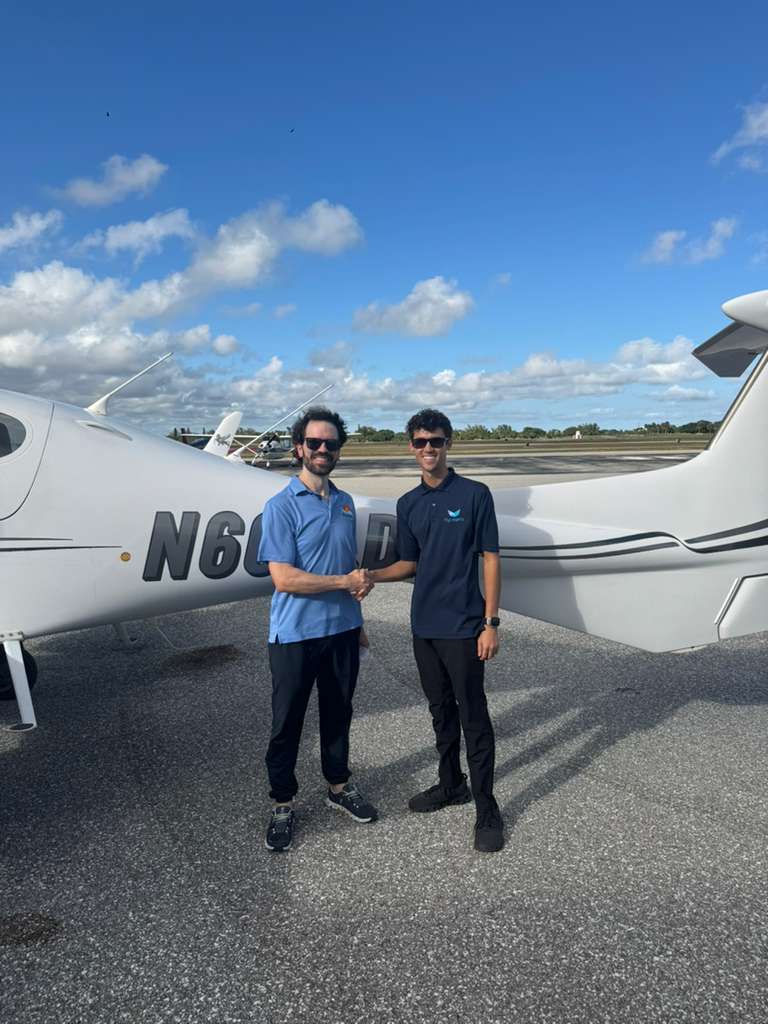
Scheduling Flight Training South Florida Students Can Actually Finish
Flight training in South Florida can move fast when the schedule is right, or drag on for years when it is not. The difference usually is not talent, it is planning. When your lessons, work, family time, and weather all fight each other, progress stalls. When they line up, you see steady wins and real confidence in the airplane.
We see many students start with big excitement, then get stuck halfway to their private pilot license. They are not bad students. Their schedule simply does not match real life in South Florida. In this article, we will walk through how to build a plan you can actually keep, how to work with local weather instead of fighting it, and how structured training keeps you moving toward that checkride.
Why So Many South Florida Students Never Finish
Many people think they quit flight training because it is “too hard.” Most of the time, that is not the full story. The schedule was never realistic from the start.
Some of the most common traps look like this:
- Flying once every week or two, so each lesson starts with re-learning
- Promising, “I’ll fly every day after work,” then burning out in a few weeks
- Forgetting that a one-hour flight is really closer to a two- to three-hour block
- Not planning any time for ground study or test prep
South Florida adds its own twist. You are working around:
- Midday heat and bumpy air
- Regular afternoon thunderstorms in late summer and fall
- Hurricane season that can shut flying down for several days
- Seasonal work shifts in tourism and hospitality
- Holiday travel and visiting family that change your routine
The big mindset shift is simple: treat flight training like a serious course or part-time job, not a casual hobby. That means:
- Picking a target finish window, like “I want my private pilot license in about 4 to 6 months”
- Protecting your lesson slots like you would a college class
- Seeing a realistic schedule as a way to save money, not spend more
When you think this way, your schedule becomes part of your training, not just a calendar problem.
Designing a Realistic Weekly Plan That Fits Your Life
The sweet spot for most students doing flight training in South Florida is 2 to 3 lessons per week. Less than that, and you keep repeating lessons. Much more than that, and it is hard to balance work, study, and rest.
Start by answering three questions:
- When am I at my best, mentally and physically?
- What days and times are truly open every week?
- How does local weather shape those times?
Many South Florida students do best with:
- Early morning flights before work, when the air is smoother and storms are less likely
- Occasional late afternoon or evening flights, with a close eye on thunderstorm chances
- One weekend block for a longer cross-country or stage check
Then add the “hidden hours.” For each lesson, plan for:
- 30 minutes before the flight for preflight, briefing, and aircraft checks
- 15 to 30 minutes after for debrief and scheduling
- A weekly block of 3 to 5 hours at home for reading, chair flying, videos, and prep
You can stack some of this into normal life: flashcards on your phone during breaks, aviation podcasts while driving, or quick review of checklists before bed.
This works best when your instructor and school are involved from the start. A good plan includes:
- A rough target checkride month
- A map of weekly lesson goals that lead to that month
- Clear expectations for how you will handle weather delays and reschedules
- Stage checks and milestones that match your normal free time
That way you always know what you are working toward, not just “today’s lesson.”
Making South Florida’s Weather Work for You
Fall in South Florida is a mix of great flying mornings and stormy afternoons. If you know that pattern, you can plan your training around it instead of fighting it.
Smart seasonal planning might include:
- Getting a lot of basic maneuvers and pattern work done in calm early mornings
- Planning cross-country flights in time blocks with lower storm risk
- Holding backup ground or simulator sessions for days with nearby storms or low clouds
For time of day, many students find:
- Early morning is best for smoother air, cooler temps, and more stable conditions
- Late afternoon or evening can work if you watch the radar and build in backup times
- Midday often brings more heat and bumps, which can be harder when you are new
Flexible planning really helps. Some simple habits:
- Keep a rolling two-week calendar with primary and backup lesson slots
- Use quieter weekdays when possible so you are not fighting for aircraft on weekends
- Stay in touch with the dispatch and instructor team so you can shuffle lessons quickly around weather
When the weather blocks flying, it does not have to block progress. Use those days for ground training, test prep, or simulator time so you keep your head in the game.
Staying on Track: From Discovery Flight to Checkride
One reason training can feel overwhelming is that “get my license” is a big goal. Breaking it into phases makes it much easier to manage:
- Discovery flight and first lessons
- Pre-solo training and pattern work
- First solo and local practice
- Cross-country flying and night work, if needed
- Checkride prep and mock tests
Give each phase a rough time frame, like a few weeks each when flying 2 to 3 times a week. Celebrate wins along the way, like your first good landing streak or first solo. These markers keep you excited when life gets busy.
You can track progress the way professional pilots do:
- Keep a simple spreadsheet or notebook with dates, lesson types, and notes
- Compare what you planned to what you actually flew every couple of weeks
- Meet with your instructor or a training advisor regularly to review and adjust
If work or family changes, adjust early. Maybe you drop from 3 flights a week to 2 for a short time but keep your study going, so you do not lose ground.
You will also want a plan for interruptions. Things happen: travel, illness, storms. When you know a pause is coming, you can:
- Review your notes and ground school materials
- Use simulators or chair flying to keep flows and checklists fresh
- Schedule a “re-entry” lesson that focuses on refreshing key skills
Staying mentally connected to flying during gaps saves a lot of re-training once you get back in the airplane.
How Fly Legacy Aviation Helps You Finish Strong
At Fly Legacy Aviation, we build our training around busy adults who still want professional-level structure. Our programs follow a clear path from first lesson through advanced ratings, with syllabi that spell out what each stage covers and what comes next.
That structure gives you:
- Predictable lesson flow, so you never wonder what you are working on
- Stage checks that confirm you are ready to move forward
- Clear goals tied to your calendar and target finish window
Because we operate in both Philadelphia and South Florida, students have options as life and seasons change. You can:
- Lean into South Florida’s year-round flying for steady progress
- Adjust training pace around tourism seasons, school calendars, or job changes
- Plan heavier training blocks during vacation time, then ease off during busy work weeks
Our instructors, dispatch, and office staff all play a part in keeping your schedule real and on track. With progress reviews and milestone check-ins, you always know where you stand and what you need to do next to reach your checkride.
FAQ
How Often Should I Fly Each Week to Make Steady Progress?
For most students, flying 2 to 3 times per week keeps skills fresh without overwhelming your life. That rhythm supports steady growth and helps you remember what you learned at the last lesson.
What Is a Realistic Timeline to Get My Private Pilot License?
Many focused students who fly regularly and study between lessons can finish in several months. Others take closer to a year, especially if work, family, or weather limit how often they can train.
How Does South Florida Weather Affect My Training Schedule?
Afternoon thunderstorms and humid air often make mornings the best time to fly. Building backup lesson slots and using stormy days for ground or simulator training helps you stay on track.
Can I Work Full-Time and Complete Flight Training in South Florida?
Yes, many students do. The key is treating your lessons as standing appointments, often early mornings, evenings, or weekends, and protecting those times like any other major commitment.
How Does Fly Legacy Aviation Help Me Stick to My Schedule?
We use structured training plans, proactive scheduling, and regular progress reviews. Our team works with you to shape a realistic calendar, adjust for weather or life changes, and keep you moving from your first flight through your checkride.
Take The Next Step Toward Your Pilot Career Today
If you are ready to turn your passion for aviation into real-world skills, our team at Fly Legacy Aviation is here to guide you every step of the way. Explore how our veteran-focused flight training in South Florida can help you build confidence, experience, and a clear path toward your goals in the cockpit. We will work with you to align your training schedule, financing options, and long-term aviation plans. Have questions or want to schedule a visit to our training facility? Just contact us and we will help you get started.
