
Why Cold Mornings in Pennsylvania Impact Multi Engine Startup
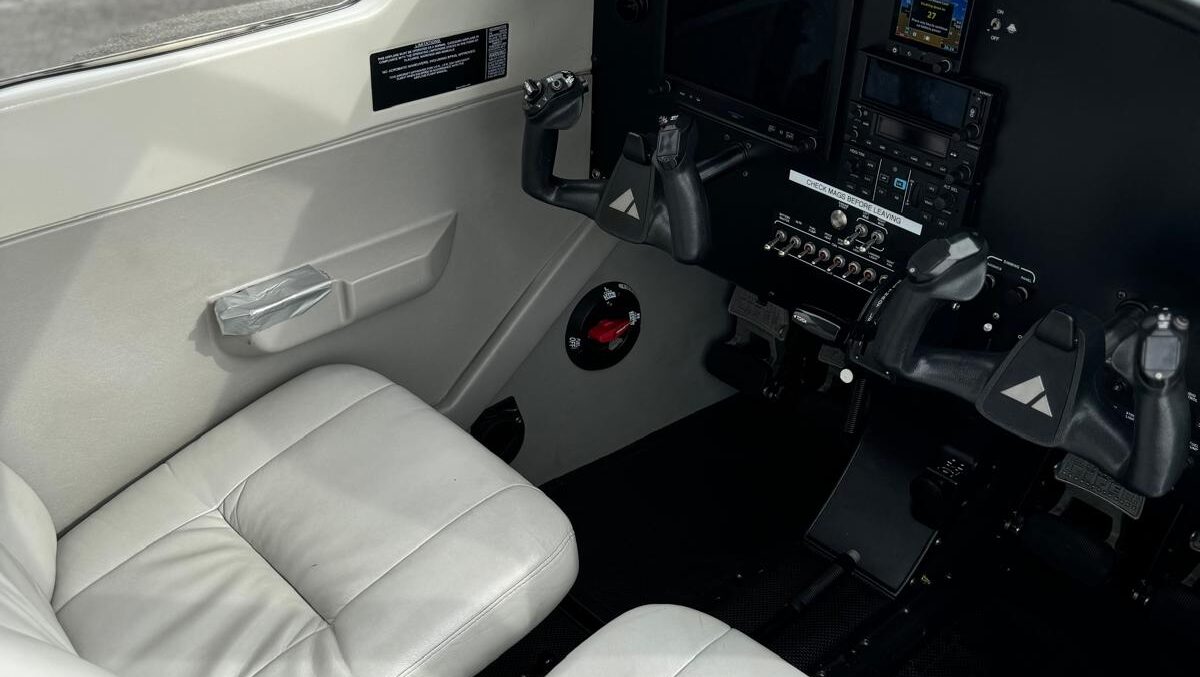
Cold mornings in Pennsylvania can change a lot about how we get a multi-engine plane ready for flight. It’s not just a matter of adding an extra layer or scraping frost off a windshield. When the temperatures dip, everything from engine oil to power systems behaves differently. And if you’re using a multi engine aircraft rental, you’ll want to understand how these small shifts can impact the safety and flow of your flight. At Fly Legacy Aviation’s Northeast Philadelphia Airport location, pilots can rent a multi-engine Diamond DA42 alongside a growing fleet of new Piper training aircraft.
Starting a twin-engine plane in winter is not the same as doing it on a warm afternoon. The cold makes things move slower, respond differently, and sometimes not respond at all. It takes a little more awareness and patience to keep everything running smoothly right from startup.
How Cold Temps Affect Startup in Multi-Engine Planes
When the thermometer dips below freezing, engines feel it first. Oil thickens. Batteries lose strength. Ignition becomes more labored. These changes are real and can be especially noticeable when firing up two engines instead of one.
Here’s what tends to happen when we start a twin in the cold:
- The starter motor might sound weaker than usual, especially on the second engine.
- You may notice one engine sputters awake before the other, which can throw off timing on your checks.
- Cranking can take longer and feel harder on the plane’s systems, meaning it’s easy to get impatient or miss something in the rush to get moving.
Cold impacts single-engine aircraft too, but with twins, every difference is multiplied. Two engines mean double the chances for imbalance if one responds faster or warmer than the other. That uneven behavior right from startup can leave you second-guessing before you’re even off the ramp.
The Delayed Reaction: Instruments and Systems in Low Temps
Even after you get both engines running, cold air messes with the rest of the systems. Some readings might lag, and others may not make sense at all until the cabin and wiring warm up. This is especially true in twin-engine planes, where systems are not always perfectly in sync.
Here’s what we pay extra attention to when it’s below freezing:
- Gyros might spin slowly or give off uneven readings until they’re warmed internally.
- Pitot static systems can build up ice from overnight dew, which affects airspeed and altitude readings in those early minutes.
- Cabin heat might be slow to arrive, meaning any needed defrost or window clearing does not happen right away.
Remember, a twin has two of many critical instruments, not one. That means it can be harder to spot when something is off, or easier to trust the wrong one until the cabin hits a stable temperature. We wait a little longer, scan a little more often, and think twice if something feels off during those first few checks.
Pre-Flight Checks You Shouldn’t Rush on Cold Mornings
Cold mornings make everything feel like it’s taking longer, and that’s when it helps to slow down on purpose. The outside of the aircraft tells you a lot, if you’re willing to walk slowly, look closely, and use your hands.
Here are a few things we do before startup when winter shows its face:
- Walk the full length of both wings, running fingertips along the leading edges to feel for frost or ice that your eyes might miss.
- Look at the base of each engine for signs of slow leaks that might have started overnight.
- Gently test cable tension and control surfaces for stiffness that was not there the day before.
It is easy to get in the habit of moving fast, especially if you’ve flown the same plane last week. But each cold morning brings its own surprises. Taking the time to spot them before you taxi out makes every step after that smoother and less stressful.
Staying Ahead of Trouble During Winter Taxi and Run-Up
Getting both engines started is just the beginning. Once you’re moving, the cold keeps shaping how that taxi feels and how much attention engines need before rotation. Low grip from a slick ramp or uneven heating between engines can start to show in small ways.
Things we stay alert for once we leave parking:
- The taxi path could still have invisible frost, making turns or brakes react suddenly.
- Engine RPM might come up more slowly on one side, especially if heaters kicked in unevenly.
- During run-up, one engine may lag on magneto checks, or temp readings might not match between the two.
This moment before takeoff is a key time to trust your senses. If something does not feel or sound quite right, that option to pause and pull off can make all the difference in how the rest of the flight goes. Cold masks a lot of the typical feedback we rely on, so doubts take priority.
Why Multi Engine Aircraft Rental in Pennsylvania Requires Extra Prep
Flying a rental adds a few layers of guessing, especially in the cold months. We did not tuck the plane in overnight, so we might not know how it was stored, how long it sat, or what kind of cover it had. Each rental behaves slightly differently, and the cold makes those quirks louder.
Here are a few things we keep in mind with winter rentals:
- A plane parked outside all night will take much longer to warm up, inside and out.
- If that aircraft does not fly daily, systems like heaters and gauges might need a little extra patience to wake up.
- Knowing where unusual sounds or vibrations show up on a specific plane helps tell what is normal cold engine behavior and what should raise concern.
We take notes on each twin we fly and pay close attention during the first few minutes. That awareness helps solve minor puzzles before they become real problems in the air.
Build Confidence by Planning for Cold-Weather Challenges
Winter does not have to slow things down, but it does ask more from us as pilots. Cold mornings in Pennsylvania teach us to prep harder, listen closer, and trust our habits. It pushes us to plan ahead and expect surprises, which makes us better every time we fly. Because Fly Legacy Aviation trains year-round in Philadelphia, students gain first-hand experience with everything from frosty wings to icy taxiways as part of their normal flight training.
Flying a multi-engine plane in these conditions builds real skill. The kind of awareness we grow during winter flights shapes how we respond when the unexpected shows up. It may take extra steps, but every one of them adds to the confidence you carry into the sky.
Cold-weather preparation is important when flying twins, especially when you’re renting. At Fly Legacy Aviation, we pay attention to every detail to help keep your experience smooth from start-up through rollout. Flying in or out of Philadelphia this winter? Knowing what to expect with a multi engine aircraft rental can make all the difference. The small adjustments we make on the ground support better decisions in the air. For questions or help getting ready for cold-weather flying, contact us today.
