
Why Smooth Radio Work Matters More in Philly’s Busy Airspace
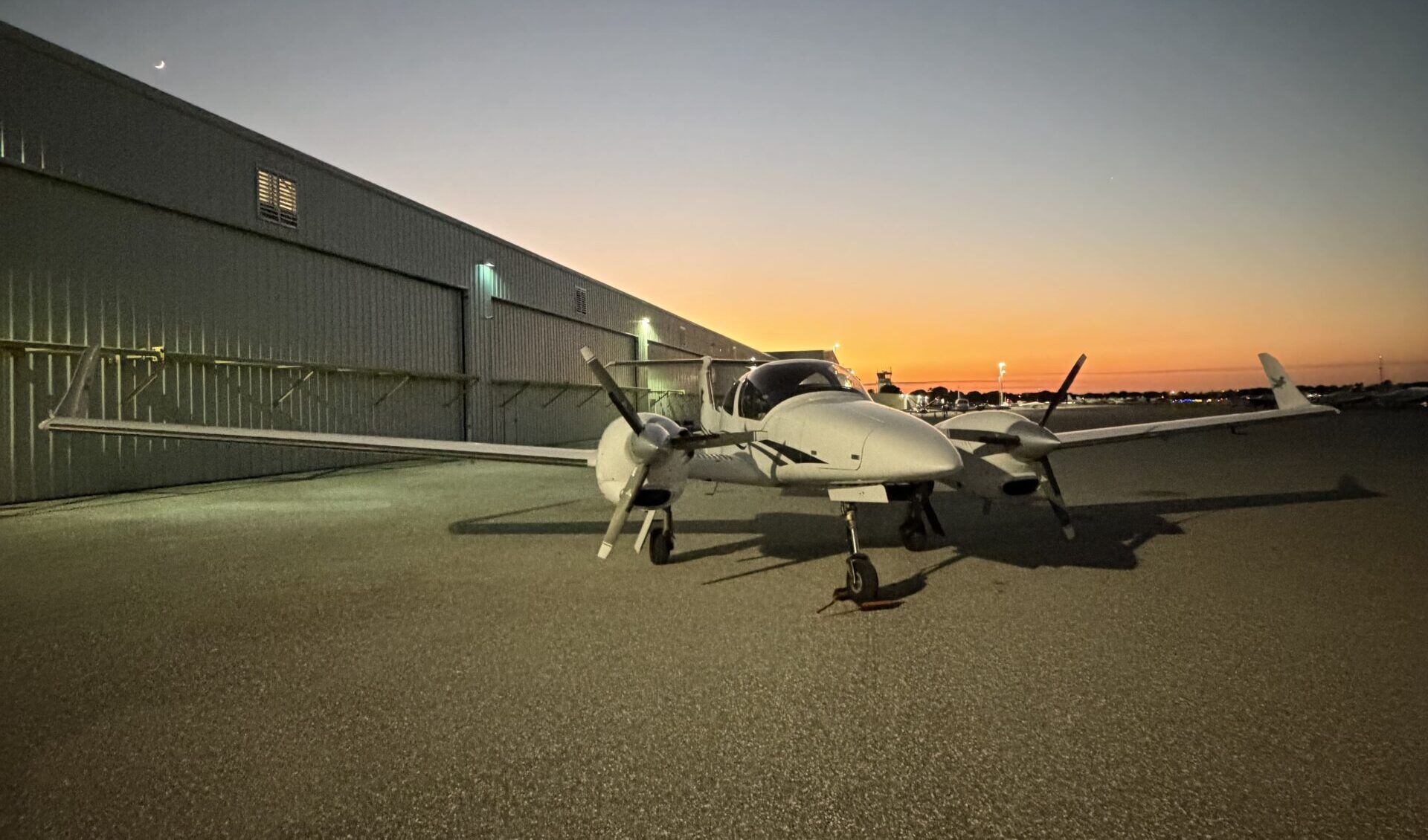
Flying over Philadelphia takes more focus than you might think. With so many planes sharing the sky, radio calls matter a lot more than just being polite. Knowing what to say and when to say it helps keep planes separated, instructions clear, and flights flowing without delay. At Northeast Philadelphia Airport, Fly Legacy Aviation students train on 7,000 foot and 5,000 foot runways with an operating control tower, so radio work is part of every lesson from the start.
We lean on good habits every time we press the mic. A certified flight instructor does not just teach flying skills. They spend time helping students feel confident on the radio, one step at a time. In a place like Philadelphia, that kind of skill can ease the pressure and help avoid trouble when the air gets busy.
We are going to break down exactly why smooth radio work plays such a big role in local airspace and how practice with the right habits really does make a difference up there.
What Makes Philly Airspace So Busy
If you have flown in or around Philadelphia, you know there is rarely a quiet minute. Planes fill the sky every day from nearby airports, large and small. That includes not just the big jets headed into Philadelphia International but also smaller aircraft from regional airports and flight schools.
When we add in multi-engine flight students and instructors from Northeast Philadelphia who are working their way toward commercial ratings, the skies get even more active.
The area includes overlapping airspace types, which means frequent contact with Air Traffic Control. Some areas near Philadelphia fall under Class B or Class C airspace. This means more radio calls, more handoffs between controllers, and tighter windows for transitioning through sectors.
It is not just traffic volume that matters. Flight paths overlap and weather can shift fast in the mid-Atlantic spring. What helps most in these moments is a calm pilot who knows exactly what to say. Quick answers and solid radio habits help everyone in the air and on the ground stay ahead of the next call.
How Clear Talking Keeps the Flight Moving
We have all heard the difference between a smooth call and one that makes controllers pause. Good radio work helps us fly without friction. A short, clear transmission lets everyone else know what is happening and gives Air Traffic Control what they need to move us along.
Here is why radio style matters more than we might think:
- Short replies leave space on the frequency, giving others time to speak without stepping on each other
- Clean phrasing means fewer repeats or clarifications, which keeps instructions from stacking up
- Speaking clearly shows confidence and experience, helping Air Traffic Control trust that instructions will be followed quickly
Pilots spend a lot of time making position calls or reading back instructions. One of the busiest moments is during taxi or while changing runways. New students often feel rushed. That is where simple language becomes powerful. A calm voice with the right words makes takeoffs less stressful and helps the flight feel smoother from the start.
Many of these habits carry over when working with familiar airfields or when things go off plan. Whether dealing with a reroute or last-minute change from Air Traffic Control, the right words at the right time can make a big difference.
What a Flight Instructor Teaches About Radio Work
The radio can feel like the hardest part of learning to fly, especially in a twin-engine aircraft where there is more going on. During early lessons, we keep it simple. A certified flight instructor helps students learn what to say and why they are saying it.
We take it step by step:
- Start with basic phrases before engine run-ups, using real examples as we brief
- Practice timing during ground movements to avoid talking over others
- Review Air Traffic Control patterns and common calls for local airports like PNE and nearby towered fields
As students advance to solo flights or cross-country routes, we go deeper. During training flights, we often use role-playing with headsets. The instructor acts as traffic control so students hear feedback in a low-pressure way. This helps them sort through faster-paced communication, especially when entering Class C areas or handling busy handoffs. Because Fly Legacy Aviation trains under both FAR Part 141 and Part 61, these radio skills are reinforced from private pilot through multi-engine and instructor training, not just in one stage.
The result is better headset skills and better confidence in high-traffic air like Philadelphia’s.
Mistakes That Can Slow Everyone Down
Even experienced pilots make sloppy radio calls now and then. But consistent mistakes can affect more than just your flight. They can slow things down for others, confuse clearances, or even lead to delays.
Let us look at a few common missteps we address in training:
- Forgetting to read back key clearances, especially hold short or runway instructions
- Talking too much or using nonstandard words (such as “I am good to go” instead of “ready for departure”)
- Stepping on others by not waiting for a full pause on the frequency
These habits build fast during training if not corrected. That is why instructors listen closely from the right seat, even when students sound confident. We focus on helping them adjust tone, pacing, and timing so they get smoother over time.
Another common trouble point is mic shyness. Some students hesitate to key in mid-flight. With coaching, we help them get past that fear so they stay ahead of Air Traffic Control without delays. A rushed or delayed response can interrupt spacing, especially when other planes are turning base to final.
By helping students catch these slip-ups early, we teach them how smoother radio work can make flying more enjoyable too.
Flying Smarter Starts With Saying Less, But Saying It Right
When airspace gets busy, fewer words often lead to better results. That is especially true in a high-traffic zone like Philadelphia. With so many planes sharing close quarters, sounding sharp on the radio is about keeping everyone safe and steady.
We help our students learn early that good radio work does not come from guessing. It is built through calm routines, one smart correction at a time. When a certified flight instructor is in the other seat, every transmission becomes part of the learning.
Philadelphia’s airspace is not going to slow down. But with steady practice and the right habits, what once felt overwhelming starts to feel like a regular day in the cockpit, one clean radio call at a time.
Flight training around Philadelphia takes more than knowing the controls; it comes down to staying sharp on the radio, especially in a multi-engine aircraft. We have seen how calm, clear communication can make each flight feel more manageable and help avoid common delays in tighter airspace. Working closely with a certified flight instructor gives our students the chance to build that skill the right way, one practice call at a time. At Fly Legacy Aviation, we keep things focused, local, and real. Ready to train in high-traffic airspace with guidance you can trust? Contact us today.
