
How to Prep Mentally for a Multi Engine Solo in Philadelphia
A multi engine solo flight can make your heart race, not just from power and speed but the wave of thoughts that come before takeoff. In a winter city like Philadelphia, cold mornings make everything feel a bit heavier. Your coat’s thicker, the checklist is longer, and the engine might need an extra minute to start. But beyond those mechanical checks sits something just as real to prepare for, your mind.
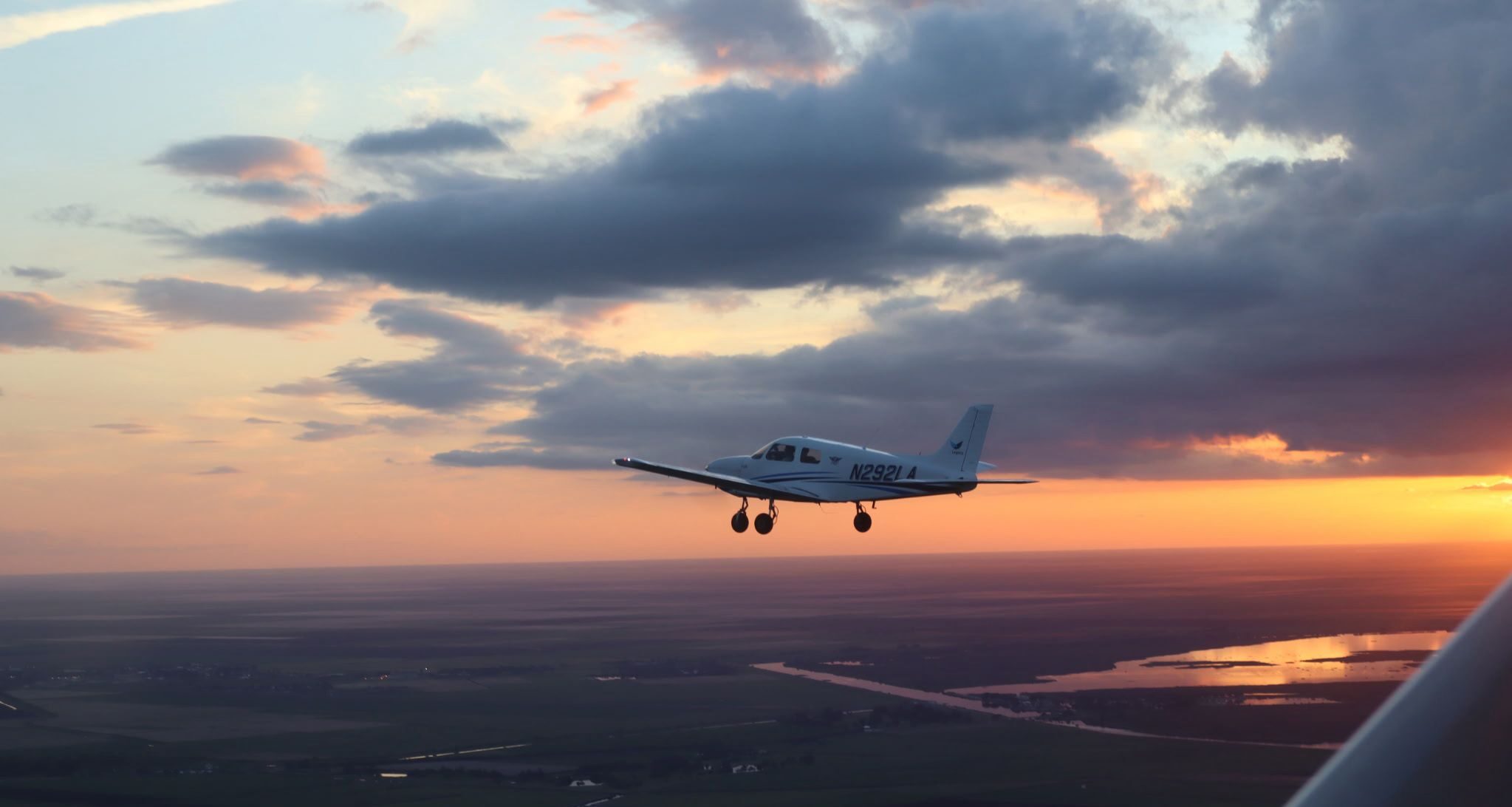
We see this moment coming before it’s even scheduled. It shows up during simulator sessions and practice crosswind landings. That solo flight is where all the lessons click into place, and staying sharp mentally is a big part of that. It’s not just about remembering steps. It’s about trusting what you’ve already practiced and handling the little surprises. Whether that prep time includes time in simulators or aircraft rentals, the way you walk up to that plane matters just as much as what you do in the air. At Northeast Philadelphia Airport, Fly Legacy Aviation’s rental fleet includes a multi-engine Diamond DA42 and new Piper Pilot 100i trainers, so you can rehearse your solo procedures in the same aircraft types you use for training.
Get in the Right Mental Zone Before You Fly
Cold mornings on the ramp can throw off your rhythm. The air feels quiet, but your thoughts don’t slow down with the temperature. This is where the mental work really begins.
A smart way to bring your nerves down is to talk yourself through what’s ahead. Don’t wait until you’re in the seat. Do it when you’re pulling on gloves or zipping your jacket. Go over what the run-up looks like or how the pattern usually plays out when there’s light traffic. These simple reminders can act like mental warm-ups.
Use that time before preflight to slow your breathing and notice what’s in your head. If it’s bouncing around, let some thoughts settle. One of the best beginner habits we’ve seen is to adjust your seat and flip through the checklist early. That simple act turns your focus inward and tells your brain it’s time to shift gears. Whether it’s the cockpit layout or a mental anchor like a smooth control grip, those small routines create calm.
Break the Flight Into Small Steps
Looking at the whole flight all at once can make it seem more stressful than it really is. For a multi engine solo, thinking in steps helps punch holes in the pressure.
Instead of worrying about the entire circuit, keep your focus limited at each phase. Think of the startup. What exactly happens? Go through that clearly in your head. When you hear engine number one kick in, your brain will echo what you’ve already practiced.
Here’s a simple structure we suggest using ahead of a solo flight:
- Startup. Visualize which switches go first, when you’ll check the brakes, and how you’ll monitor the gauges.
- Taxi and run-up. Picture the flow of controls here. Run-up checks aren’t just about movement, they’re about rhythm.
- Takeoff and climb. Don’t try to think ten minutes ahead. Lock your attention on one or two key triggers, like airspeed alive or gear up.
By using simple checkpoints instead of trying to keep the entire flight in your head at once, you’ll stay more present and snap into familiar habits.
Know the Field, Know the Weather, Know Your Options
Flying out of Northeast Philadelphia Airport in February brings its own set of winter quirks. We see students get caught off guard by taxi delays or snow that’s clumped near aprons. Your briefing might say the runway is good, but it’s really those side details during solo prep that make a difference.
Pilots flying twins have more to think about. If one engine acts up, you have to respond fast. That’s harder to do when you’re already uneasy about airport layout or icy corners. One calm way to fix that? Read the airport diagram the night before. Picture where you’ll hold short or where plows might have kicked snow up near the turns.
Have alternates in mind. Make notes of where you’d turn if the crosswind kicks harder or if a taxiway gets blocked. Solo decisions don’t mean flying completely alone. They mean you’re carrying all the thinking you’ve practiced, just without someone in the right seat confirming it.
Use Ground Time With Aircraft Rentals to Boost Mental Prep
Some of the most useful prep happens before the engine even starts. When available, ground time with aircraft rentals makes a big difference in bringing that solo closer to second nature.
Sitting in the cockpit ahead of time (without pressure to start or go anywhere) lets your brain walk through every task calmly. It removes the need to guess where a throttle feels stiff or how the trim wheel engages. You’ve already handled it. At Fly Legacy Aviation in Philadelphia, a typical rental checkout includes about an hour on the ground and an hour of flight with a company pilot, which gives you structured time to review procedures and cockpit flow before you launch on your own.
A no-engine dry run is another great step. Just going through the radio setup or gear callouts while seated with everything off helps clear gaps in your flow. When you solo, you won’t be guessing where a switch is. You’ll recognize it by feel. That muscle memory takes the edge off real-time decisions.
When your brain isn’t wondering where things are, it has more space to manage real flying. That’s what makes aircraft rentals such a useful tool for prep, they turn questions into habits before you’re in the air.
Fully Prepped Means Fewer Surprises
Half the challenge during a solo isn’t about reacting, it’s about staying present. We see pilots who’ve done all their training step into a solo with jumpy nerves, not from lack of skill but from second-guessing things they already know.
Little routines keep that in check. Simple things like a visual scan of the taxiway or a soft call to yourself during climb out (“airspeed alive,” “positive rate”) act like guide wires. They don’t just structure the flight, they calm the mind.
That winter air over Philadelphia can feel choppy. Patterns get busy. But when your brain has touched every part of the flight ahead of time, in practice, in thought, and in cockpit flow, you’ll handle friction as part of the experience, not a surprise.
Being mentally ready to handle small shifts in wind or a tight approach means your focus stays on flying. Not on what might go wrong, but on what’s right in front of you. That’s the difference between feeling overwhelmed and staying in control.
Getting ready for a multi engine solo takes more than just memorizing flows or scanning checklists. Working through every step while seated in the actual cockpit helps make sounds and handling feel real, creating space in your mind for sharper focus once you’re in the air. For pilots in Philadelphia looking to build solid habits before their next flight, our aircraft rentals help you prepare more effectively. Reach out to Fly Legacy Aviation to schedule quality practice time that builds real confidence.
