
What Causes Engine Vibrations After Takeoff in Cold Philly Winters
Flying during cold Philadelphia winters brings a few things we can plan for and a few that still surprise us. One of those is engine vibration that starts just after takeoff. It feels small at first, maybe a little rumble, but it can grow if ignored. Multi-engine planes, while powerful and dependable, can feel different in those first few climbing minutes when the air is cold and thick.
Working with a certified flight instructor during the winter months helps new and experienced pilots get a better feel for what is normal and what is not. Recognizing the early signs of engine vibration right after wheels-up is something we watch closely, especially when the temperature drops and winter sticks around longer than expected. As an FAA-approved Part 141 and Part 61 school based at Northeast Philadelphia Airport, Fly Legacy Aviation trains multi-engine students year-round in these changing seasonal conditions.
What Vibration Feels Like Right After Takeoff
Vibrations usually show up early in the climb when the plane is still gaining altitude and settling into flight. In a twin-engine aircraft, the feeling can land somewhere between a rough shake and a pulsing hum, depending on what is causing it. Pilots usually notice the difference through the controls or in how the seat subtly jerks under them.
What makes it more noticeable in a multi-engine plane is the power difference on each side. When both engines are not running evenly, it can throw off the balance. That imbalance creates movement that is harder to miss. The controls might feel heavy or rougher than usual. Sometimes the vibration fades after a few minutes, but other times it sticks around or even gets worse.
Here is a quick way we teach students to think about it:
- A light hum during climb that fades out is usually normal
- A strong shake that continues or gets louder might point to a real issue
- Vibrations that come and go can signal something affected by speed, weather, or RPM
Knowing when to press on or when to turn back starts with recognizing these patterns and making note of when they show up.
Cold Weather Effects on Engine Performance
Cold weather changes how engines behave, especially in the first few minutes after takeoff. In Philadelphia, we do not just deal with low temps, we see wild shifts from warm to freezing in the same day. That kind of range affects fuel flow, oil pressure, and how long it takes the engine parts to reach cruising temperature.
When engine pieces are cold, they do not move as smoothly. Metal contracts, oil thickens, and even the fuel-air mix may not burn evenly. That uneven burn creates small pulses, which feel like vibration inside the cockpit. Until the engine warms up fully, it is working harder to give consistent power.
Here is where preheating and warm-ups come into play. Engines that skip a proper warm-up tend to vibrate more during takeoff. We have seen it many times in multi-engine planes. One side may be slightly cooler, causing off-balance thrust. A good run-up before takeoff might catch that. But even with prep, the cold air still hits differently once the wheels leave the ground.
Maintenance Issues That Show Up More in Winter
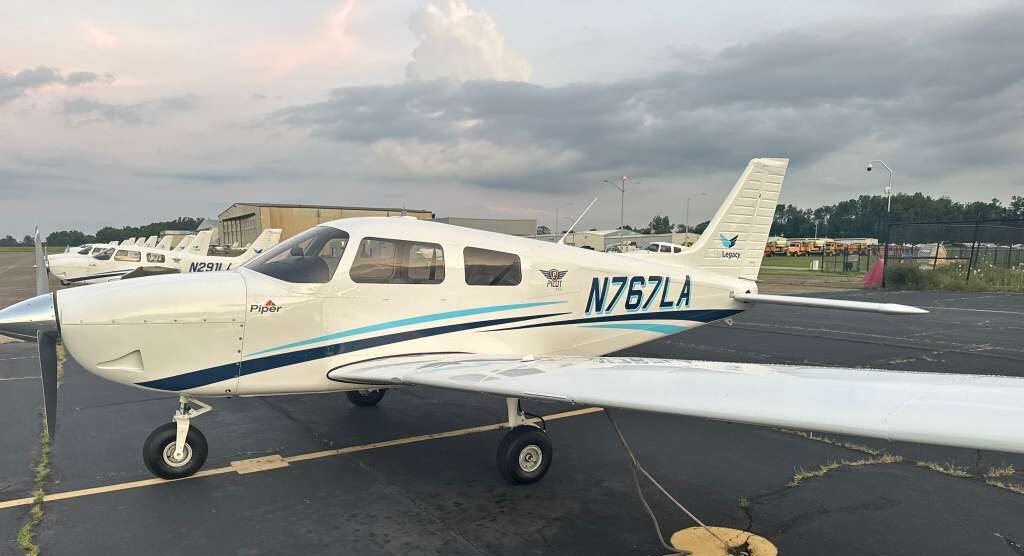
Winter makes old parts more noticeable. Fly Legacy Aviation has its own maintenance department supporting a growing fleet of new Piper aircraft and Diamond DA42 trainers, so winter-related wear can be spotted and addressed quickly before it turns into a problem in the air. Some of the vibration we feel right after takeoff has less to do with flying and more to do with how the engine was holding up before we even reached the runway.
It could be things like:
- Engine mounts that stiffen in the cold, transferring more vibration into the cockpit
- Spark plugs that do not fire cleanly when damp or frosty
- Fuel line issues that make one engine run weaker or slower for a short time
Moisture in the engine area is another hidden factor. Even a little condensation can freeze overnight, then melt during warm-up, flowing into sensitive parts. If that moisture does not clear out fully, it can cause uneven firing that the pilot feels as a shake or stutter.
This is one reason a certified flight instructor gives each winter check just a little more time. We look for the smallest signs that something could get louder, rougher, or harder to handle once airborne.
How Pilots Learn to Respond Safely
Vibration can feel alarming during takeoff, but training helps a lot. Staying calm is the first and most helpful response. Then we start checking what we already know, engine gauges, power settings, temperature changes, and how the plane feels under control.
What we teach goes beyond how to diagnose the cause. It is about learning to read patterns and trust the right point at which to pause or head back. For student pilots flying in the winter, learning to make those calls while staying composed is something we build into every cold-weather session.
Regular winter flights with an instructor also build confidence in these areas:
- Spotting new or unusual sounds and feelings
- Breaking habits that lead to rushed takeoffs during cold mornings
- Restating what is normal and what has changed in colder air
Experienced co-pilots or instructors often notice small changes the student might miss. That extra set of eyes and ears helps build strong habits that become muscle memory, especially when the flight starts off a bit uncertain. Training in Fly Legacy Aviation’s modern Piper Pilot 100i fleet around Philadelphia, Pennsylvania, gives students consistent handling and feedback as they refine these skills.
A Safer Winter Flight Starts with Good Preparation
Learning how engine vibrations begin and what causes them gives multi-engine pilots more control over what happens next. Most issues connected to cold weather do not start big. They usually show up in subtle ways first, movement in the controls, a faint shake during climb, or slower warm-up on one engine.
Cold winter takeoffs out of Philadelphia do not have to feel risky if everything is checked early. When we slow down our preflight steps, give engines time to warm evenly, and stay alert during climb-out, we stay well ahead of the problem.
With the right habits and guidance from a certified flight instructor, pilots understand what the vibration means and how to respond. That confidence helps every takeoff feel smoother, even when the air outside is stone cold.
Flying out of Philadelphia in cold weather brings unique challenges, and working with a certified flight instructor can give you the confidence and skills to spot and handle early engine vibration. At Fly Legacy Aviation, we help pilots train for real-world northeast winter conditions while focusing on reading your aircraft from the moment you start every flight. Ready to sharpen your winter flying habits or build a strong foundation with expert instruction? Reach out to us today.
