
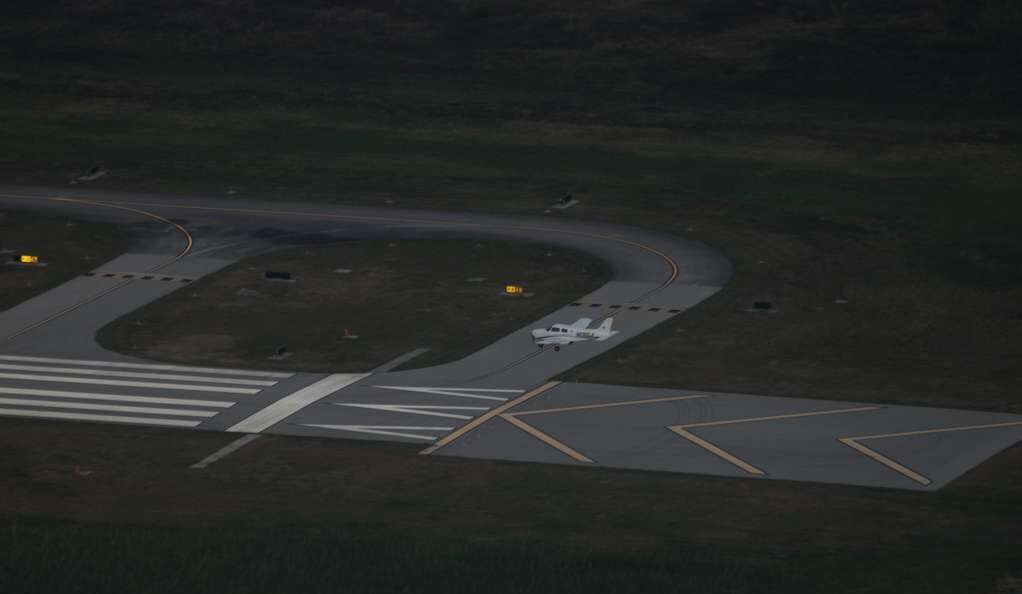
What to Know About Controlled Fields Near Philly Training Routes
When spring warms Philadelphia, flight training picks up, and multi-engine lessons take center stage. The skies become busy with moving aircraft, active tower instruction, and a mix of controlled and uncontrolled zones that keep a pilot alert. For anyone training in multi-engine planes, flying near controlled airspace is important. Flight schools use the routes around Philadelphia to introduce real challenges and build attention to detail.
At Northeast Philadelphia Airport, multi-engine students progress from private pilot through commercial and flight instructor ratings with controlled airspace operations woven into each lesson. Controlled fields may seem nerve-racking at first, but with practice, student pilots gain the calm and skill to navigate them safely, focusing on learning how to fly through real airspace instead of simply memorizing rules.
Getting to Know Controlled Airspace
Before climbing into the plane, it helps to understand what controlled airspace means. It simply indicates that someone, usually Air Traffic Control (ATC), is managing who enters or exits the space. Controlled airspace keeps things orderly near busy airports. For example, at Northeast Philadelphia Airport (PNE), the tower guides various flights, including corporate jets, air taxis, and training aircraft. This organized flow helps prevent aircraft from unexpectedly crossing paths.
Here is what is common around Philadelphia:
- Class C airspace may cover parts of nearby regional airports.
- Class D airspace, like at PNE, has a control tower with moderate traffic.
- Transition zones outside larger airspaces still require check-ins or altitude awareness.
Learning the shape of each airspace and its impact on your flight plan is crucial and sets the stage for smoother operations.
Controlled Fields Most Common Near Training Routes
Training near Philadelphia means you may regularly pass through or near towered fields. Rather than avoiding these areas, pilots must become comfortable operating within them. Frequent practice helps build familiarity with processes such as obtaining permission to enter or exit a controlled zone.
Before each flight, pilots check sectional charts to identify towered areas, understand when permissions are needed, and plan routes accordingly. This preparation ensures that when routes run close to controlled fields, pilots are ready and confident.
What Happens When You Talk to ATC
Talking to Air Traffic Control can be challenging, especially when radios are busy. Learning when to call, how to speak clearly, and when to listen is part of the skill set that flight training develops over time.
Pilots learn to state their position, altitude, and request clearly during entry into controlled airspace or while doing pattern work. The focus is on sharing short, accurate information. As flights become busier and more dynamic, mastering clear communication with ATC helps keep the skies calm and safe, even when managing multiple tasks such as engine checks and radio calls.
Multi-Engine Differences Near Busy Fields
Flying a multi-engine aircraft near a towered airport requires extra attention. It is not just about having more power; it is about managing the increased workload in the cockpit. Pilots must pay close attention to how engine sync affects the aircraft and keeps flight patterns smooth during entry and exit.
Since approach speeds with multi-engine aircraft are generally higher than with single-engine trainers, timing and clear coordination become even more important. During training, pilots focus on adjusting to these differences gradually by first practicing outside towered zones before moving closer to busier airspace. Each flight brings more familiarity with handling engine performance, planning accurate approaches, and building overall confidence.
Staying Focused While Navigating Airspace
Even routine flights require careful scanning of the surroundings. Pilots make it a habit to review charts and confirm controlled airspace boundaries before takeoff. This routine helps in identifying trigger points for altitude or speed adjustments along defined air routes.
With a clear mental picture of the airspace layout, pilots can smoothly adjust their flight paths when needed. Familiarity with these details does not just come from theory but through repeated practice in real settings, which builds reliable muscle memory and response accuracy.
Adapting to Changing Conditions
Spring in Philadelphia can bring unpredictable weather. Lighter winds one day can quickly give way to sudden gusts the next. Increased flight activity, especially during warmer weather, means that skies near training fields can be busier than usual.
Pilots learn to adapt by closely monitoring changing conditions. By comparing current conditions to what is expected from sectional charts and weather forecasts, pilots can adjust their approach to controlled airspace in real time. This balance of planning and active monitoring is key to maintaining safety and confidence while flying near towered fields.
Integrating Training and Real-World Conditions
Combining ground training with in-flight practice is central to handling controlled airspace confidently. Instructors emphasize clear routines, such as checking in with ATC at the right time and making small, measured adjustments rather than abrupt changes. Such practices help pilots manage higher workloads, especially in multi-engine aircraft where both engines require careful synchronization.
Over time, repeated exposure to these real-world scenarios makes the process more fluid. Each flight builds on the last, slowly replacing hesitation with instinctive, smooth control.
Flying Smarter in Shared Airspace
Controlled fields do not have to feel overwhelming. Training often includes exercises that help pilots develop a sense of scale for both the aircraft and the airspace. Learning to balance engine performance, adjust flight paths, and communicate clearly with ATC makes a noticeable difference.
Pilots gradually internalize patterns that lead to smoother transitions within towered zones. The experience gleaned from frequent practice proves essential during busy flight operations. By focusing on steady control and measured inputs, pilots manage multiple tasks effectively, ensuring that even during hectic situations, their performance remains consistent.
Preparing for a Lifetime of Flight
Flight training near busy airspace instills habits that benefit pilots throughout their careers. Early exposure to the challenges of controlled airspace helps establish routines that later become second nature. This approach reduces pilot stress and builds the confidence needed for more advanced maneuvers.
Structured training programs guide students through a progression of tasks, from handling a single engine to managing the complexities of multi-engine systems within crowded skies. Each lesson reinforces core skills such as clear communication, precise control inputs, and the importance of preflight planning. These lessons ultimately lead to better decision-making and safer flights.
Staying Ready for the Future
The diverse challenges of flying near controlled airspace teach students to anticipate and plan for changes. Familiarity with local air traffic patterns, weather variations, and tower procedures prepares pilots for any scenario encountered during flight.
Constant practice in realistic settings builds the adaptability required in today’s dynamic aviation environment. The skills honed during these training sessions translate directly to better situational awareness and enhanced safety. Pilots learn that clear, calm operations result in a smoother overall flying experience, regardless of how busy the skies become.
At Fly Legacy Aviation, we keep your goals in mind with every lesson and route, using a modern fleet of Piper training aircraft and structured syllabi that support progress from private pilot through advanced ratings.
Whether you are improving at higher speeds, balancing engine performance, or sharpening your attention to air traffic channels, consistent practice truly matters. Learn how we prepare pilots for real skies around controlled zones by exploring our flight schools. Contact us today to take the next step.
