
Why Weight and Balance Shifts Can Surprise Florida Trainees
Weight and balance can be tricky for new flight students, especially when training in multi-engine aircraft here in Pompano Beach. With so much going on in the cockpit, it’s easy to think of these numbers as just more paperwork. But overlooking them, even just a little, can throw off a flight in ways students don’t expect.
During our pilot training programs, one of the biggest surprises we see is how fast a plane’s attitude can shift based on small weight changes. At Fly Legacy Aviation’s Florida campus, pilot training programs range from private pilot certification through commercial, instrument, and multi-engine ratings, so students see how weight and balance affects every phase of flight. It’s not always about carrying too much. Even moving a bag, adjusting seats, or flying with a nearly empty fuel tank can affect how the airplane behaves. In Florida’s warmer months, those changes show up more clearly in the way the plane feels during climb, turns, and descent. That’s why learning how to spot imbalance early is a skill that sticks with students well beyond their training days.
Understanding Weight and Balance Basics
When we talk about weight and balance, we’re looking at how heavy the plane is, where that weight sits, and how evenly it’s placed. This matters during any flight, but it’s especially noticeable during early training on multi-engine aircraft. These planes are heavier and more sensitive to shifts, so everything counts, people, fuel, gear, even the lunch bag in the back seat.
Here’s what can be affected if the numbers are off:
- Climb rate might slow down even though the throttle is full
- Turning feels awkward or harder to keep smooth
- The plane may sink faster than expected during descent
Instructors take time to help students double-check weight and balance before getting in the airplane. Charts and apps help, but the real learning is in seeing why those numbers matter once the wheels leave the ground. It’s not just math. It’s control, feel, and safety all rolled into one.
Why Florida Conditions Make a Bigger Impact
Florida weather adds its own layer on top of everything else. Around spring, temps climb faster and stay warm longer, especially during midday flights. That extra heat thins out the air, which changes how aircraft take off and climb. Warm and humid days in Pompano Beach feel different up in the sky. Pilots notice more sluggish lift, longer takeoff roll, and the need to stay ahead of the airplane.
In these conditions, tiny differences make a big impact. A full tank of fuel plus one extra passenger might make the plane feel heavier than it technically is. If humidity is high, the wings need to work harder to keep the climb steady. That’s why instructors pay close attention to how weight loads are planned and adjusted as part of each pre-flight check.
Some things that can throw off the feel of a takeoff:
- Shifting seat positions farther aft
- Loading bags unevenly side to side
- Fuel slightly unbalanced across tanks
Small changes might seem harmless while on the ground, but they show up quickly once airborne. That’s where confidence comes from, not just memorizing numbers, but understanding what they mean in flight.
Multi-Engine Planes Respond Differently
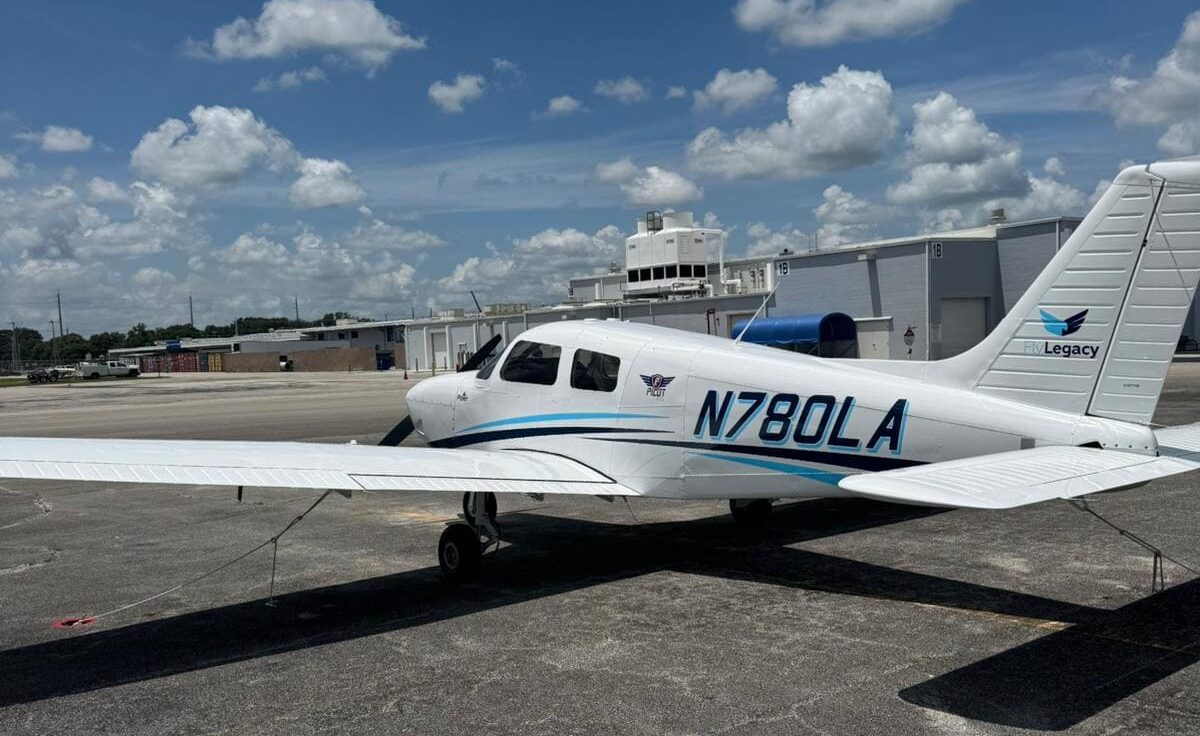
Multi-engine aircraft aren’t just bigger, they are built to fly a little differently. The balance points are more complex, and even with two engines at work, weight still rules. The front-to-back and side-to-side balance changes faster on twins, especially if students aren’t watching where gear and passengers are placed. At our Florida location, training in multi-engine aircraft like the Diamond DA42 alongside Piper Pilot 100i trainers makes these balance effects easier to feel and correct in real time.
One engine quitting during training is part of the process. When that happens, an uneven load can make the plane yaw more or make it harder to hold a straight line. That’s not something students always expect at first. But it’s built into every lesson, how small imbalances affect a plane’s behavior in moments where precision matters most.
Some things that affect balance faster on multi-engine aircraft:
- Burning more fuel from one side
- Delayed gear extension or retraction
- Weight placed too far aft or forward
We walk through these things on the ramp before the flight, but it’s mid-air when they start to click. Making corrections early, trimming where needed, and using checklists all help build the muscle memory trainees need.
What Surprises New Trainees Most
The first signs that the plane isn’t quite right can show up early in the flight. Maybe it’s climbing slower, or drifting slightly off track without much wind. Most trainees don’t expect such a big effect from such small changes. But it’s almost always the weight and balance, not the plane itself, causing the issue.
We’ve seen students surprised when:
- Their seat adjustment changed the way the plane trimmed
- Fuel burn from one side made the wings feel uneven
- A load in the back cargo area made flares feel floaty or too steep
This is the part of training where good habits form. We teach students how to stay calm, run through checks, and understand what’s going on without rushed moves. Part of learning through pilot training programs is knowing when conditions feel off and trusting your prep to manage it in the moment. It’s not just about avoiding a mistake, it’s about understanding the fix.
From Confused to Confident in the Cockpit
It takes practice, but once students begin to feel what a balanced multi-engine plane flies like, every future flight gets better. They’re quicker to spot a shift, smoother on the controls, and more confident handling adjustments on the fly.
What makes the biggest difference is developing a feel for the plane when it’s loaded right. Students lock in the rhythm faster, stay ahead of the aircraft, and get better at knowing when to adjust before things get messy. Warm-weather flying in Florida will always come with a few surprises, but weight and balance don’t have to be one of them.
With support and coaching, those early surprises turn into sharpened instincts that stay with students well beyond training. It’s not always easy, but it’s always worth it to get it right before takeoff. For international students who want to train in this Florida environment, Fly Legacy Aviation is approved to issue I-20 forms for the M-1 visa, which helps them attend flight training on campus.
At Fly Legacy Aviation, we know that learning small balance shifts and seeing how multi-engine aircraft respond to weight placement can help your training experience in Pompano Beach, Florida. We focus on real-time demonstrations so you can feel the effects of weight distribution during each lesson. Ready to take your skills to the next level? Take a closer look at our pilot training programs in Florida and contact us to learn more.
