
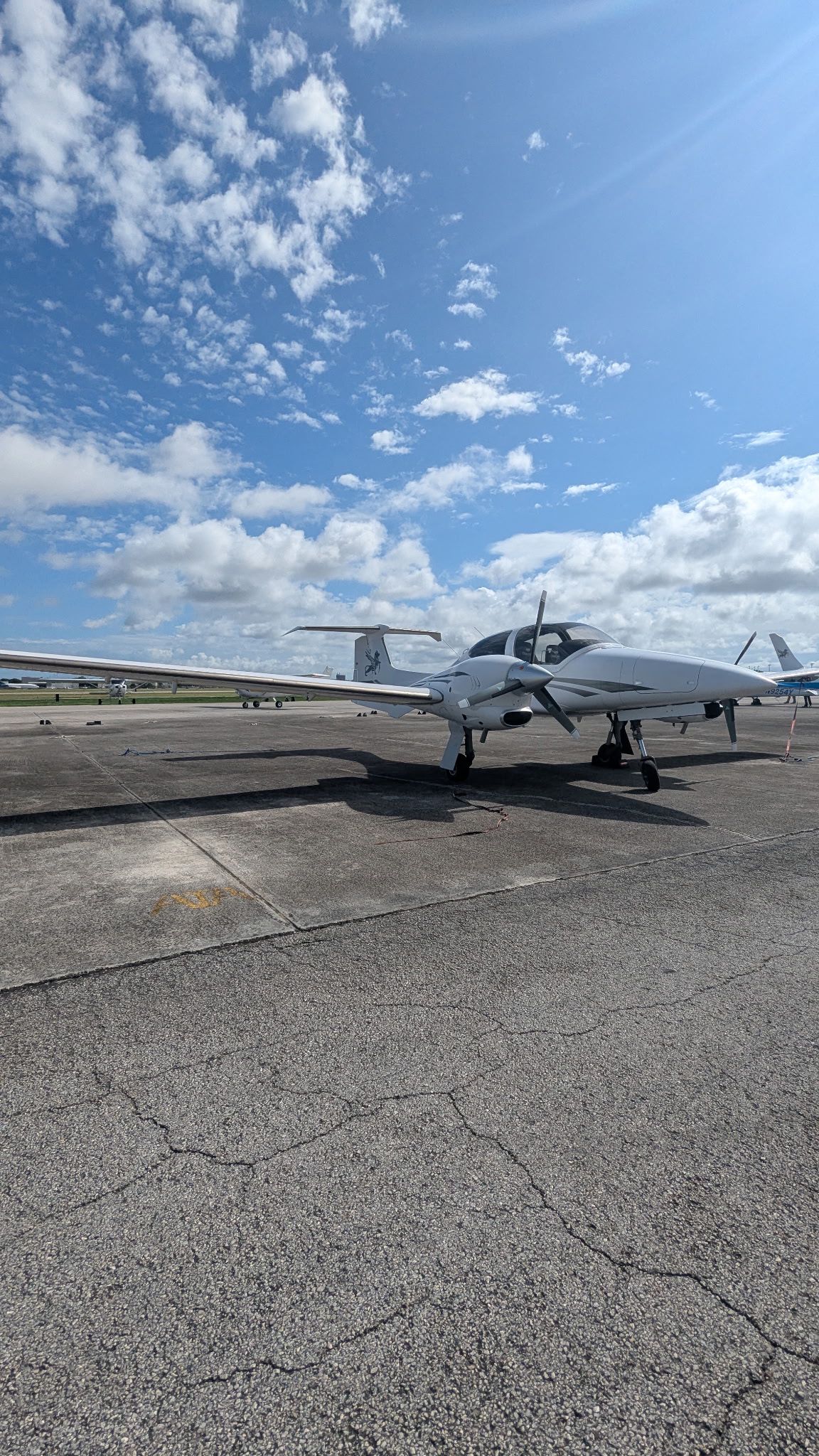
Trim might seem like a small control in a multi-engine airplane, but getting it right can make a big difference. When you’re flying in Florida, especially during summer, there’s enough heat and humidity to make every detail matter more. Learning how to use trim the right way adds comfort and control and builds trust in your own flying.
For anyone working through a flight training course in a twin-engine aircraft, trim becomes a big part of feeling in control from the start. It helps take the pressure off your hands, keeps the airplane balanced, and lets you focus on what’s ahead. When you pair that with warm, sticky air like we get in Pompano Beach, knowing how much trim to use and when to adjust it becomes part of flying smart.
Getting to Know Trim in a Twin
Trim tabs are small, adjustable surfaces that help take the load off the pilot. They’re usually located on the elevator, rudder, or ailerons depending on the plane. When you set the trim, you’re asking the airplane to hold a certain attitude without extra input from you on the controls. That means less fatigue and better focus.
In twin-engine planes, the workload is higher and trim becomes even more helpful. You’re dealing with more power, more weight, and more potential for imbalance if one engine is producing more thrust than the other. Trim helps smooth that out so you’re not fighting the yoke or rudder pedals during the flight.
A common issue during early twin training is forgetting to trim altogether. Many students are focused on procedures and checklist items, so they skip over trim adjustments or don’t set them correctly. That small distraction can lead to more work in the cockpit than necessary if you’re constantly readjusting pitch or balance.
Florida Air, Heat, and Trim Response
Flying in Pompano Beach comes with its own set of challenges. The heat, humidity, and light wind from the Atlantic can shift how your aircraft handles. On hot afternoons, the air density changes and affects how the airplane climbs, glides, and responds to control surfaces. That’s when trim becomes even more important.
We see it often in training flights. A student may set proper climb trim on a cooler morning flight, then use that same setting during a mid-afternoon lesson. But in humid, heavier air, the plane responds differently. If the trim isn’t adjusted to match the conditions, a light pull or push is needed over time. That builds muscle strain and makes it harder to fly smoothly.
Here are a couple of points to watch for in this kind of weather:
- During takeoff, use trim to help with a steady rotation, especially as the air feels heavier in the heat.
- On landing, breezes off the beach can change during approach. If left uncorrected, you might end up over-flaring or bouncing. Smooth trim adjustments ease that tension.
Getting used to small changes in trim based on temperature or air movement helps keep each leg of your flight feeling steady.
Common Trim Mistakes During Training
Trim is easy to miss when you’re juggling radio calls, checklists, or new procedures. But ignoring it shows up fast. One of the most common mistakes we see in twin training is over-trimming during climb-out or approach. If the airplane starts to feel too loose or floaty, that might be the reason.
Another mistake is keeping old trim settings during a go-around. In a twin, that setting might have worked during descent, but now you’re at full power and climbing again. Forgetting to re-trim causes the nose to kick up or down too far, and suddenly you’re chasing stability instead of staying ahead of the airplane.
Instructors track these habits closely during a structured flight training course. They’ll point out where the trim should be adjusted and explain how to handle power changes along with trim changes. It takes repetition to learn that feel, but once it clicks, flying smoothly becomes second nature.
Making Trim Part of Your Routine
The best time to build trim habits is early in training. Tying trim into your normal check flow helps you stay consistent and confident. During pre-flight briefings, it’s a good idea to touch on what trim setting you’ll start with and when to expect adjustments. Just saying it out loud can help lock it in mentally.
When you’re flying, use the same order every time. That rhythm adds up to strong habits later on:
- Set an initial trim based on aircraft weight and conditions before takeoff.
- Adjust trim during climb as soon as you’re holding steady airspeed.
- Fine-tune again on downwind or final approach based on flap settings and throttle.
Building that flow into every lesson helps keep things predictable. It gives your hands a break, clears your mind, and sets up smoother flights even under more pressure. We see how helpful that is when students start flying in different locations with different runway lengths and weather layers. Good habits go with you.
Staying Smooth on South Florida Runways
Flying in South Florida during the summer gives students plenty of real-time learning moments. From shifting winds to sticky midday air, every flight is different. And in those changes, good trim habits help make your training ride more manageable.
Sticking to regular trim use makes a difference in how your airplane flies and how relaxed you stay in the pilot seat. The airplane feels steadier, and you can focus more on traffic, airspace, and the steps ahead. While no two days are the same, the discipline of using trim reliably pays off in small ways that add up.
If you’re putting in time on the runway in Pompano Beach, learning how to trim correctly doesn’t just make training easier. It sets you up for smoother, more confident flights wherever you go next.
Summer in Pompano Beach is the perfect opportunity to strengthen your twin flying skills and boost your confidence in the cockpit. We understand how details like crosswind techniques, power transitions, and effective trim management make all the difference. That’s why Fly Legacy Aviation offers a Florida-based flight training course designed to help you master these essentials in real-world conditions. Reach out today and let’s take the next step in your aviation journey together.
