
Flying a multi-engine plane from short runways in Philadelphia can catch people off guard if they are not used to how the plane handles close to the ground. When the pavement is just a few feet below, the plane does not act like it does up high. That is ground effect. It is a detail we bring up early during flight review because it plays a big role in how twin-engine planes lift and land, especially in and out of places like Northeast Philadelphia Airport. The airport’s 7,000 foot and 5,000 foot runways give twin engine pilots regular chances to work with both longer pavement and tighter stopping distance. Whether you are training or building hours using aircraft rentals, you need to pay more attention to how the plane reacts when things get tight. Knowing what is going on under the wings could make the difference between a smooth run and a rushed decision.
What Is Ground Effect and Why Does It Matter Here
Ground effect happens when you are flying low and close to the runway. The air pushes back harder against the wings, giving more lift than you would expect and less drag. That can sound helpful, but it makes timing takeoffs and landings trickier. The moment your wheels lift off, it feels like the plane wants to keep floating, but only while you are low. As you climb out of that effect, things get unstable fast if you are not ready.
At a shorter airport like Northeast Philadelphia, there is not much space to settle into that transition. You might lift off cleanly inside ground effect, then lose that extra boost a few seconds later just as you are clearing the end of the runway. This can catch multi-engine pilots off guard, especially those moving up from single-engine planes. Twin-engine aircraft tend to weigh more and carry higher speeds. They touch down faster and cover more ground before slowing. That means less room to react when the ground effect fades and less margin to bounce or float too long on final.
How Ground Effect Feels in a Twin
When you are flying twins, ground effect shows up in ways that are not always obvious. On takeoff, the plane might lift off sooner than expected and feel smooth for a few seconds. Then, as you climb out, it wobbles or drops a little. That can feel like the aircraft is fighting you, but it is just the ground effect stopping.
On landing, that same effect makes it feel like you are riding a cushion of air right before touchdown. If you are not steady on approach, the plane can float past the perfect spot, forcing you to land longer than planned. With more power and more speed, it is easier to overshoot if you are not used to the feel of the twin.
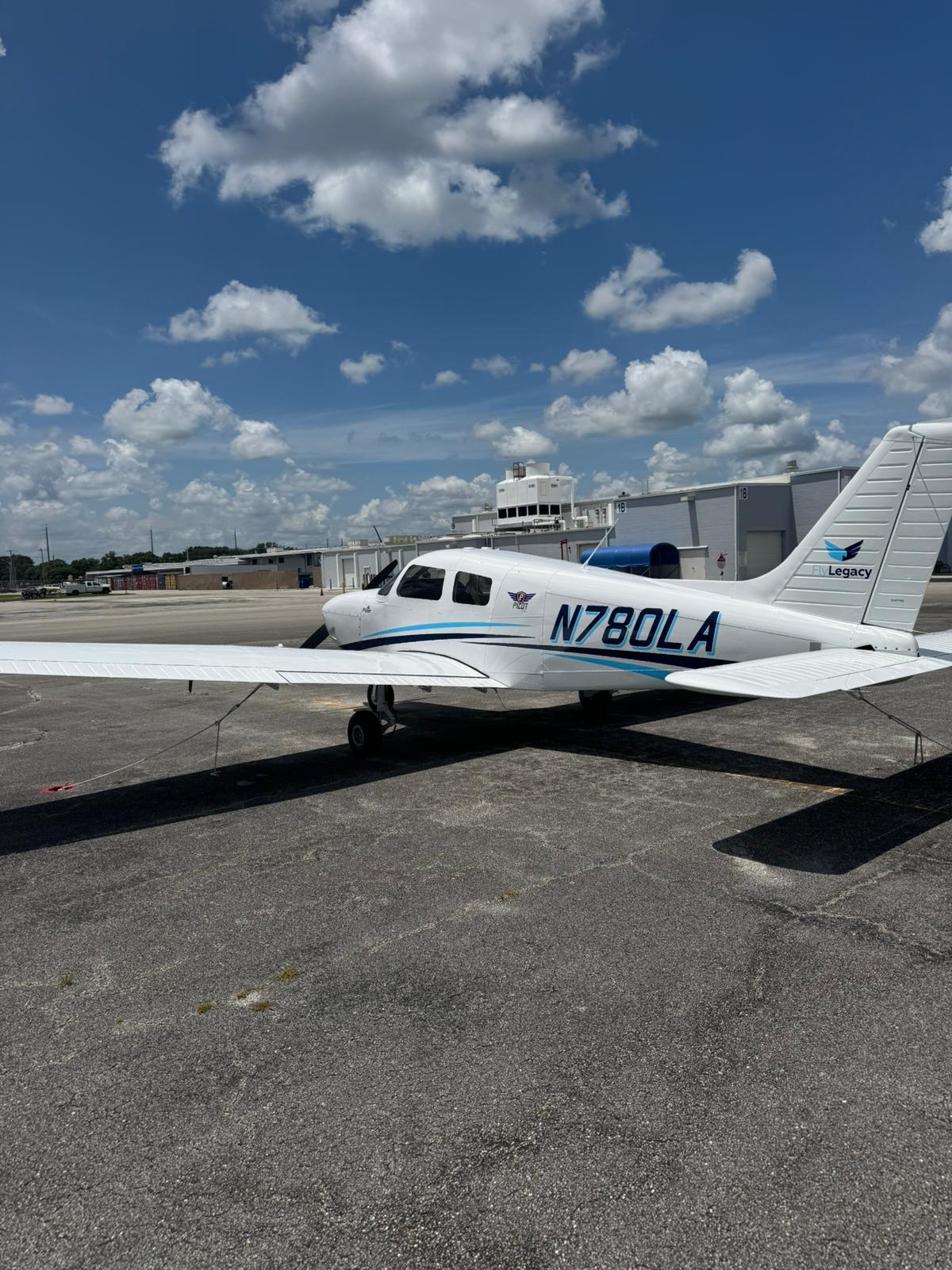
This is why having access to nearby practice options or working with someone experienced helps. It gives pilots time to feel out those quirks in controlled conditions. Anyone using aircraft rentals should take the time to review how each model responds near the ground, since things like wing shape and weight shift how the plane reacts while landing or lifting off. At Northeast Philadelphia, Fly Legacy Aviation offers aircraft rentals in the Diamond DA42 and a modern fleet of Piper trainers, so pilots can compare how different low wing designs behave in ground effect.
Hot Weather and Heavy Traffic in Summer
June brings warm air into Philly, and that changes how planes act on short runways. Warmer air is thinner, so the wings work a little harder to make the same lift. Add in hot pavement radiating heat, and your takeoff rolls can stretch out farther than expected. That is when ground effect can trick you the most, just when it feels like the plane is ready, it might not climb the way you think.
Then there is airport traffic. We see more training flights in summer, and the squeeze between arrivals and departures gets tighter. Timing a departure perfectly on a short runway surrounded by city noise, buildings, and air traffic demands focus. With less room to react, beginner twin pilots can feel boxed in if they are not already anticipating what the ground effect will do.
To help manage that stress, here are a few reminders pilots can keep in mind.
- Always ask for spacing if you need it
- Do not rush final approach just to keep pace
- Keep an eye on density altitude during pre-checks in warmer weather
Staying in Control on Departure and Arrival
Planning takeoffs and landings around ground effect is all about being honest with your skills and your plane’s needs. You need to know how much space you actually need, not just what is printed on a performance sheet. That starts with the runway length, elevation, and how your weight today changes the lift-off point.
Instead of guessing, we like to review a solid step-by-step each time.
- Measure available runway and check any obstacles near the ends
- Confirm density altitude and how it changes climb rates
- Review projected lift-off and touchdown points, not best-case guesses
- Use short-field tools like flaps, holding centerline, and watching pitch
Every part of that process helps counter the false comfort ground effect gives during early rotation and just before the wheels touch.
Why Ground Effect Shows Up More in Certain Aircraft
Not every plane reacts the same in ground effect. Low-wing aircraft tend to hold more air between the wing and the ground, which makes that lift increase more noticeable. That holds true for a lot of twins in current aircraft rentals. It does not mean anything is wrong, it just means pilots have to expect more lift and plan accordingly.
Heavier planes sink faster without that cushion. If you are carrying extra weight or flying with full tanks, the moment ground effect fades off final can hit harder than expected. That is why it matters to know not just what you are flying, but how it responds.
Pay attention to things like.
- Wing placement (low vs high)
- Aircraft weight and fuel mix
- Landing gear stance and flexibility
If practice is the plan, it is worth flying the same style of plane you are testing or training in so your reactions stay sharp.
Building Smart Habits on Short Philly Strips
Ground effect does not last long, but the effects stick with you. Short Philadelphia runways do not leave much time to fix a bad lift-off or a long float, so we treat every flight as a reminder to tighten soft habits and prep with care. That is especially true in early summer when warm air, busy skies, and extra traffic shrink the margin for mistakes.
The real key to handling ground effect is staying calm and clear-headed from startup to shutdown. Checklists, briefings, and walk-arounds all matter more when we know conditions can shift fast. Fly clean, land early, and let your eyes and instincts work together. The better you prepare on the ground, the smoother your flight and your learning will be in the air.
At Fly Legacy Aviation, we know that managing ground effect on short runways is important for pilots training in multi-engine planes around Philadelphia, especially during the warmer months. Preparing with the right equipment can make all the difference. Take a moment to review our current aircraft rentals so you can approach every flight with confidence. If you have questions or need help selecting the best option, reach out to our team today.
