
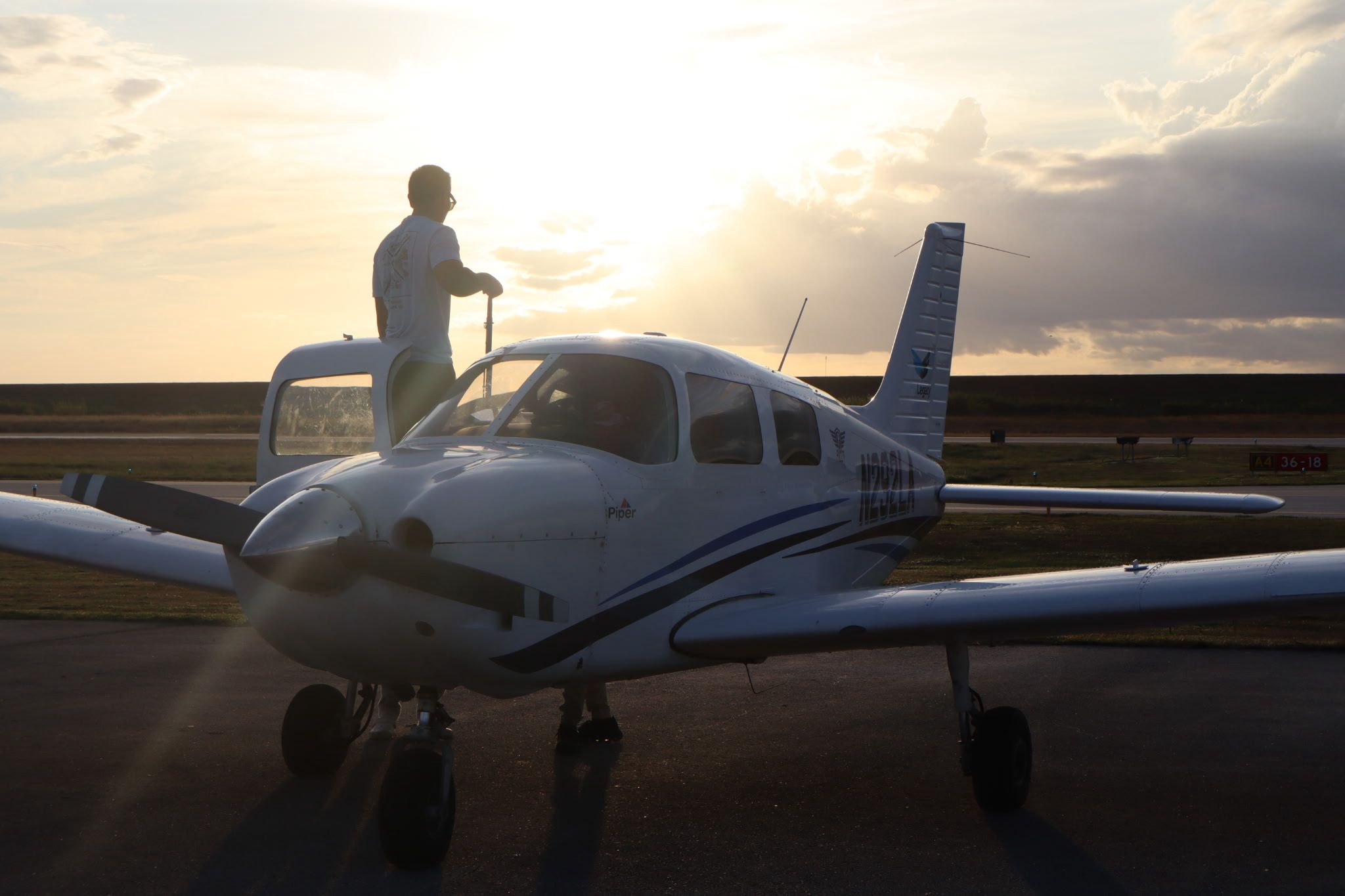
Summer approaches into South Florida can sneak up on student pilots who are not fully ready for how fast conditions shift. Even when the sky looks calm, heat and humidity change the way planes behave in the pattern. That is especially true when flying a multi-engine aircraft into places like Pompano Beach. Things ramp up quickly with more traffic and shorter decision windows.
Unstable airspeed during approach is one of the most common issues we see. If your timing is off or you rely too much on habit instead of feel, you can end up correcting the whole way down. With focused airplane flight training, it is easier to avoid these habits early. Knowing what mistakes to watch for around Pompano can make your approaches smoother, especially during the hotter months.
Watch for Heat and Humidity Effects
Flying in Florida during summer means aircraft perform differently than in cooler air. Humidity and hot temperatures do not just make you sweat, they also change how your airplane flies.
Air density drops in high heat. That means your true airspeed can climb without your indicated airspeed reflecting it clearly. You may think you are slowing down, but over the ground, you are still moving faster than usual.
Added moisture in the air also affects engine output. Multi-engine planes depend on balanced thrust. In muggy conditions, even a slight dip in one engine’s strength can throw off your descent path.
There is also vertical air movement. With temperatures climbing through late mornings and into the afternoon, thermals can appear quickly. Sometimes they lift your wing just enough to stall your planning. You balloon above glide, try correcting, and now your airspeed is falling. Being confident in the feel of the aircraft helps avoid these quick overcorrections.
Managing Approach Speeds in Multi-Engine Planes
In heavier multi-engine planes, your margin for error shrinks, especially on final. These aircraft carry more weight, so it is easier to get too slow without realizing it.
To fly the approach properly each time, you need to learn the numbers and what they actually feel like. Here is what to keep in mind before entering the pattern.
- Know your Vref (landing reference speed), Vmc (minimum control speed), and when to lower gear and flaps
- Stick to consistent power and trim settings once you are on descent
- Keep visual checks going so the runway does not surprise you while you are adjusting speeds
When pilots start sidestepping speeds to rush the landing, they end up in the flare chasing control instead of flying the airplane. Practicing clean descents builds habits that help prevent this.
Local Patterns Around Pompano Beach
In summer, morning skies in South Florida get busier as everyone tries to fly before storms roll in. Pompano Beach especially sees mixed activity with training flights, private rentals, and commercial operations all blending together.
It is important to follow pattern calls closely. Turn direction, altitudes, and entry procedures might change depending on the day.
Keep an ear on the ATIS. Wind shifts are not uncommon along the coast. If something changes while you are inbound, that alone can throw off your timing unless you are expecting it. Never let frequency changes distract you from your approach speed. It sounds simple, but it is easy to forget in busy airspace.
Staying Focused in Changing Conditions
Afternoon build-ups are part of life in South Florida. The sea breeze pushes in, clouds grow tall, and suddenly your smooth descent becomes bumpy. Learning how your aircraft reacts in these moments builds sharpened instincts.
Cross-checking is important. On final, do not rely on just one speed reading. Compare your indicated airspeed to how the ground is moving underneath you. Taller buildings or terrain near the airport can make this harder to judge, but the habit is helpful over time.
Here is the trap: when speed feels off late in the approach, some pilots try to force it back into place. You might dive a little or add extra power. This often leads to even more drift and less control. If the angle or speed is not correct, the best choice is almost always to go around and reset.
Building Speed Awareness Beyond the Numbers
Most pilots can memorize target airspeeds. The difference with effective airplane flight training is knowing what those speeds feel like through the controls and airframe.
Muscle memory plays a major role. We always want students to fly the same weights, winds, and descents, but weather rarely stays consistent. That is why mixing it up during training helps. Here is how we build speed awareness deeper than just the panel.
- Fly approaches at different weights so you learn how the plane feels heavier or lighter
- Switch wind directions so your brain adjusts to left and right crosswinds equally
- Pay attention to trim, throttle, and gear transitions to track where time and speed shift during the setup
It is not about hitting the number perfectly every time. It is about reading your aircraft and trusting your corrections before things go wrong.
Strong Finishes Start with Smart Approaches
Avoiding airspeed traps is not just about technique. It is about keeping focus, knowing your tools, and preparing for what is different on each flight. As summer warms up Pompano Beach and traffic picks up, clean flying is not just a goal, it becomes a safety skill.
We have seen that good habits grow from small choices. Holding a steady approach during light turbulence shows the same focus as managing a longer downwind. Each touch-and-go helps shape your judgment so final approaches feel solid, even in new or changing conditions.
Sharpen your technique around Pompano Beach this summer with training that puts you in real conditions, helping you experience greater control and confidence where it matters most. When you are ready to improve your skills through focused airplane flight training in Florida, Fly Legacy Aviation is ready to help you get started. Just send us a message today.
