
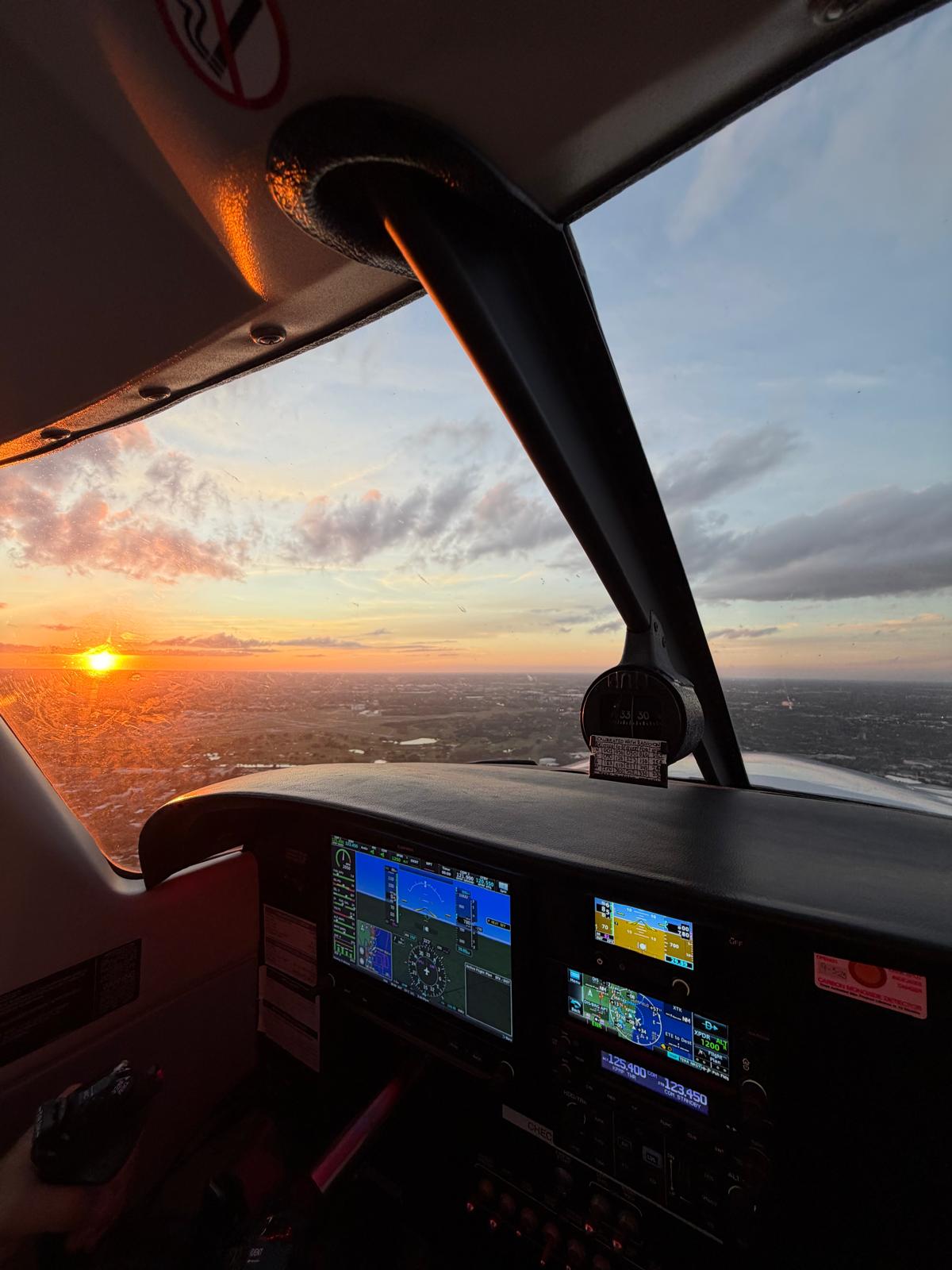
Start Your Flight Training Where It Counts Most
Choosing where to earn your first pilot license is a big decision. It shapes how fast you learn, how confident you feel in the cockpit, and how ready you are for whatever comes next, from weekend flying to an airline career. For many new pilots, South Florida keeps rising to the top of the list.
When you compare flight schools in South Florida, you are choosing more than a building and an airplane. You are choosing a training pace, a safety mindset, and a community you will spend a lot of time with. As a school with bases in both South Florida and Philadelphia, we see every day how location affects progress, and how the right fit can make training smoother and more enjoyable.
In this guide, we will talk through why so many students head to South Florida, what sets great schools apart, and how to line up a school’s strengths with your goals, schedule, and budget.
Why So Many New Pilots Choose South Florida
South Florida skies stay flyable through much of the year, which can keep your training moving with fewer gaps. While other places may lose whole weeks to low ceilings or long stretches of bad weather, you are more likely to keep lessons on the calendar and in the air.
More steady weather means:
- Shorter breaks between lessons
- Less time re-learning skills you just learned
- A better chance of sticking to your planned training timeline
The airspace is another big reason pilots head south. South Florida has busy, layered airspace with a mix of:
- Large commercial airports with Class B or C airspace
- Busy training fields
- Plenty of general aviation traffic
Training in this kind of environment teaches you how to stay calm, clear, and organized on the radio. You get used to real-world traffic patterns and working with air traffic control, which pays off later when you fly farther and into more complex areas.
Lifestyle also matters. Many students travel from out of state to attend flight schools in South Florida. When you compare schools, think about:
- Housing options nearby
- Transportation to and from the airport
- Grocery stores and daily errands
- Study spaces and places to relax between flights
If you start around mid-summer, you have a nice window before the end-of-year holidays. With steady flying and focused study, you can complete a large chunk of your private pilot training before that busy season of travel, family events, and schedule changes.
Key Factors That Separate Great Schools From the Rest
Not all flight schools in South Florida train the same way. Airplanes and palm trees may look similar, but what happens behind the scenes can be very different.
A strong safety culture shows up in small, steady habits.
- Standard checklists used every time, by everyone
- Regular safety briefings or meetings
- Aircraft that look clean and well cared for inside and out,
Red flags can include rushed preflights, pressure to “just go” when you are not comfortable, or instructors brushing off your questions.
Training structure matters just as much. Your first license should follow a clear, step-by-step path. That could be a formal Part 141-style syllabus or a detailed Part 61 plan. Ask to see:
- Written lesson outlines
- Stage checks or progress checks
- Clear goals for each phase of training
Instructor quality is another big piece. You will spend many hours in a small space with your CFI, so fit and stability matter. Good questions to ask are:
- How long do instructors usually stay at the school?
- How is a student matched with a CFI?
- What happens if your instructor changes mid-training?
The aircraft fleet ties everything together. A school with a varied, well-maintained fleet can keep you flying even when one plane is down for maintenance. It is helpful to train in:
- Simple, analog (steam gauge) aircraft
- Modern glass cockpit aircraft
This mix builds flexible skills that carry into future ratings and different aircraft types.
Comparing Flight Schools in South Florida Step by Step
When you compare schools, hourly aircraft and instructor rates are only part of the story. To look at the total picture, ask for a full breakdown that includes things like:
- One-on-one ground instruction
- Ground school or online course fees
- Checkride and knowledge test fees
- Headset, books, and basic supplies
- Any insurance, fuel, or other surcharges
Training pace is the next key piece. Think about your life outside the airport. Do you want:
- An accelerated schedule with multiple flights per week?
- A part-time plan with one or two lessons each week?
Check how many aircraft the school has, how many instructors are on staff, and how busy things get during peak South Florida seasons. A school can sound great on paper, but if there are not enough airplanes or CFIs at the times you can train, progress may slow.
Student support and community are easy to overlook, but they affect how you feel on tough days. Helpful signs include:
- Friendly, organized dispatch staff
- Study groups or organized ground sessions
- Help with written test prep
- Mentoring from more advanced students or instructors
Reputation and outcomes bring it all together. When possible:
- Talk with current students around the lounge or ramp
- Ask about first-time pass rates on checkrides
- Ask how many students continue on to instrument, commercial, or instructor ratings
You are not just picking a place to get in a few hours. You are choosing a team to help you build a strong base for every rating that follows.
How Fly Legacy Aviation Fits Into Your Decision
As you weigh flight schools in South Florida, it can help to think about both your first license and what comes after. This is where our dual-base structure comes in. With locations in South Florida and Philadelphia, we can match your training to your life as seasons and plans change.
You might start your private pilot license in South Florida, where steady flying days help you build skills quickly. Later, you could continue with instrument, commercial, and instructor ratings at our Philadelphia base, or stay in South Florida if that works better. Having one school for every step can cut down on repeated lessons, new paperwork, and time spent learning a whole new system.
We offer structured training paths that guide you from discovery flight through advanced ratings. Our fleet and training tools include both traditional and modern aircraft setups, along with simulator options that support faster learning and safer practice. Our instructors bring real-world experience and a focus on helping both recreational and career-focused pilots grow at a steady, confident pace.
Before you commit, we always suggest a personal planning talk. Laying out your timeline, budget range, and long-term goals together can turn a big, fuzzy idea into a clear plan for your first license and beyond.
Ready to Fly in South Florida Skies
Choosing between flight schools in South Florida comes down to a few clear things: safety culture, training structure, cost transparency, instructor quality, aircraft availability, and student support. When you compare each school against these points, the right options usually stand out.
Once you narrow your list, take a discovery flight with your top choices, bring a written list of questions, and pay attention to how each place makes you feel. That first hour in the air often tells you more than any brochure. When you are ready to talk through your goals and explore training in South Florida, our team at Fly Legacy Aviation is here to help you take the next step toward your first pilot license.
FAQs About Choosing Flight Schools in South Florida
How Much Does It Cost to Get a Pilot License in South Florida?
The cost varies based on aircraft type, fuel prices, and how often you fly, but many students can expect a range between $12,000 and $20,000 for a private pilot license. This usually includes aircraft rental, instructor time, ground school, supplies, and exam fees. Schools like Fly Legacy Aviation can provide a personalized estimate based on your schedule and goals.
How Long Will It Take to Earn My First License?
If you train full time and fly several times a week, many students can finish in about 3 to 6 months. Part-time students who fly once or twice a week may take closer to 6 to 12 months. Weather, instructor availability, and your study habits all play a part, and training in South Florida can help reduce delays from poor flying conditions.
Do I Need Any Experience Before Starting Flight Training?
You do not need any prior flying experience to start working on your private pilot license. A discovery flight is a great first step to feel what flying is like and to see the training process up close. Your flight school will guide you through medical requirements, student pilot paperwork, and the training plan.
How Do I Compare Different Flight Schools in South Florida?
Visit each school if you can and ask about safety culture, instructor background, aircraft condition, and total estimated cost, not just hourly rates. Take a discovery flight, talk with current students, and read online feedback. Look for clear communication, written policies, and a structured training path that matches your goals.
Can I Continue Training After My Private Pilot License at the Same School?
Yes, many students prefer a school that offers training beyond the private pilot license. Fly Legacy Aviation, for example, provides a path from private through instrument, commercial, and instructor ratings at multiple locations, which can make it easier to keep building skills and hours toward advanced goals or an aviation career.
Start Your South Florida Flight Training Journey With Confidence
If you are comparing flight schools in South Florida, we are ready to help you take the next step with clear guidance and a structured training path. At Fly Legacy Aviation, we tailor our programs to your goals so you can move from first lesson to checkride with purpose and support. Reach out to our team through our contact page to discuss your timeline, training options, and next available start date. Let us walk you through exactly what you need so you can begin your aviation journey with clarity and momentum.
