
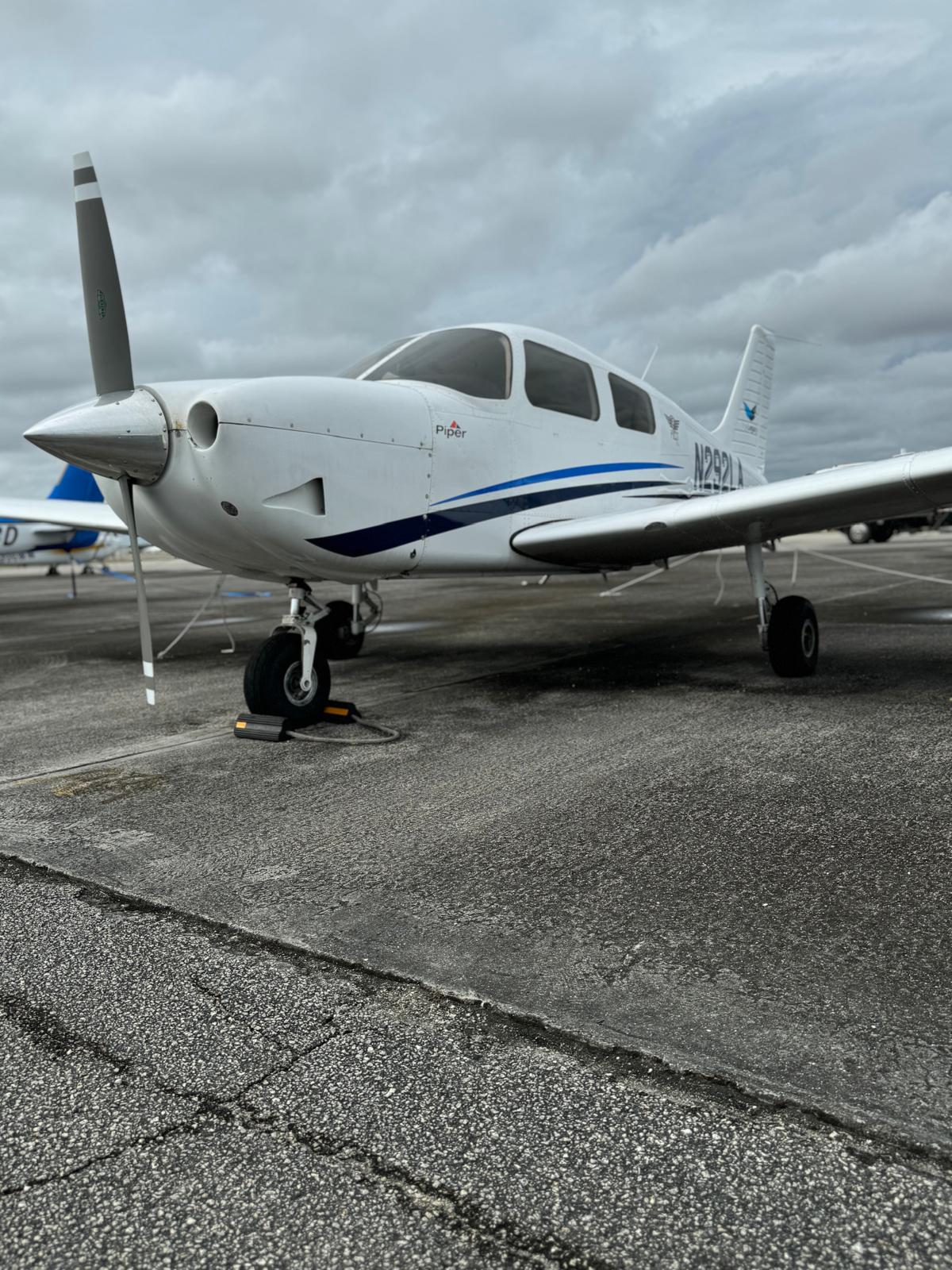
Soaring Into Florida’s Summer Skies with Confidence
Learning to fly in Florida in the summer feels like stepping into a warm, bright classroom in the sky. The water shines, the clouds build and change, and the runways shimmer with heat. It is exciting, but it can also surprise new pilots who are not ready for what summer really does to the airplane and to their own bodies.
When you learn to fly in Florida, understanding how heat, humidity, and fast-changing weather work together helps you train smarter, fly safer, and progress faster. Summer does not have to slow you down if you plan for it. From performance planning to smart lesson timing, your decisions on the ground shape how confident you feel in the air.
At Fly Legacy Aviation, our South Florida base gives students a structured way to deal with these specific conditions. We train you to see summer not as a problem, but as a powerful teacher. Let us look at the things many new pilots overlook: high temperatures, density altitude, daily storm cycles, traffic, and how your own energy and study habits fit into the picture.
Why Florida’s Summer Is a Trainer’s Dream and Test
There is a reason so many people come here to learn to fly in Florida. You get:
- Plenty of VFR days for visual flying
- A mix of coastal and inland airfields
- Busy, layered airspace that keeps your skills sharp
- Year-round training so you can keep a steady pace
Summer takes all of that and turns up the volume. The mornings can be calm and smooth, then the air heats up and clouds grow quickly. You may start a lesson under blue skies and end it watching buildups grow along your route. Training airspace can also feel busier, with more students, visitors, and vacation traffic.
This is not a bad thing. Working with real, changing conditions helps you:
- Build better weather judgment
- Learn to think ahead instead of react
- Grow confidence talking to ATC in active airspace
With the right instruction, Florida summer becomes one of your best teachers, not something to fear.
Heat, Humidity, and Density Altitude New Pilots Ignore
Many new pilots focus on runway length and aircraft horsepower, then are surprised when the airplane feels slow on a hot, sticky day. Heat and humidity make the air less dense. That means your wings and propeller have less to bite into, even if the airport is close to sea level.
On a typical summer afternoon flight, you may notice:
- Longer takeoff rolls
- Reduced climb rates
- A “soft” or “heavy” feel to the controls
That is why careful performance planning matters so much. Before a flight, you and your instructor should be checking:
- Weight and balance, especially on fully loaded training flights
- Takeoff and landing distance charts
- Fuel needed, including reserves and how heat affects burn and climb
Then there is the effect on you, the pilot. Cockpits can get hot very fast. Without a plan, you may deal with dehydration, headaches, or fatigue just when you need to focus most.
Simple habits help a lot:
- Drink water before and after the lesson, not just during
- Wear light, breathable clothing and sunglasses
- Use shade and cabin ventilation on the ground whenever possible
- Speak up if you start to feel drained, not after you feel unwell
When you learn to fly in Florida, treating heat management as part of your preflight is just as important as checking the oil.
Mastering Florida’s Fast-Changing Summer Weather
Florida’s summer weather often follows a loose pattern: calmer mornings, building cumulus clouds late morning, scattered or strong thunderstorms in the afternoon, then a gradual clearing. Flight schools shape their schedules around this, with more training set for earlier in the day.
New pilots often miss the deeper details, like:
- What those tall, puffy clouds say about updrafts
- How to read radar returns and see storm trends, not just colors
- Why outflow boundaries can suddenly change the wind on final
Thunderstorms bring serious hazards like lightning, strong gusts, wind shear, and microbursts. You are trained to avoid them by a safe distance, not to “go take a look.” This is where conservative planning with an instructor really matters.
Good habits when learning to fly in Florida around convective weather include:
- Booking earlier flight blocks when possible
- Staying flexible with start times as the forecast changes
- Treating every go/no-go decision as a learning moment, not a test of bravery
With time, you will start to look at a summer forecast and think, “Morning lesson with maneuvers first, then back before the line of storms,” instead of feeling surprised when the sky turns dark.
Staying Ahead of Traffic, Airspace, and Seasonal Crowds
Florida’s good flying weather pulls in a lot of airplanes. You may share the pattern with student pilots, local flyers, and visiting pilots on vacation trips. In busier spots, you will also see jets, helicopters, and training traffic all using the same pieces of sky.
New pilots often underestimate:
- How fast radio calls can stack up
- How busy a traffic pattern feels when three or four airplanes are sequenced
- How important it is to watch for pilots who do not know local procedures well
At Fly Legacy Aviation, we put a lot of focus on staying ahead of the airplane and the frequency by:
- Planning smart practice areas and routes to avoid hotspots when possible
- Using flight following when it makes sense for added traffic awareness
- Practicing clear, short, standard radio calls so you fit in smoothly
- Using tools like ADS-B and EFB apps to add a layer of visual awareness
All of this is taught as part of your normal lessons, so managing summer traffic becomes a skill, not a stress point.
Building Smart Summer Study and Training Habits
Long summer days tempt many students to pack in as many lessons as possible. Flying often is great, but you still need time to rest and study. If you overdo it, you start to feel burned out right when your training gets more complex.
Smart training habits for summer include:
- Spacing lessons so you can review what you learned
- Mixing in ground study and simulator sessions on stormy afternoons
- Taking care of sleep, nutrition, and hydration so your brain stays sharp
Some ground topics matter even more when you learn to fly in Florida:
- Weather theory for convective systems and thunderstorms
- Performance charts for hot conditions and higher density altitudes
- Risk management tools like PAVE and IMSAFE to check both airplane and pilot readiness
At Fly Legacy Aviation, our structured programs are built so you are not just logging hours, you are building a complete skill set. That helps you move through each stage and checkride with safety and good judgment leading the way, even in the heart of summer.
FAQ
How Long Does It Take to Earn a Private Pilot License in Florida?
Most students can earn a Private Pilot License in about 3 to 6 months with consistent training, but the exact timing depends on weather, scheduling, and how often you can fly each week.
Is Summer a Good Time to Start Flight Training in Florida?
Yes, summer offers long days and plenty of VFR conditions, as long as you plan around heat and afternoon thunderstorms with a structured schedule and guidance from your instructors.
What Should I Wear and Bring for a Summer Training Flight?
Light, breathable clothing, sunglasses, sunscreen, and plenty of water are important, along with your logbook, headset if you have one, and any current training materials your instructor requests.
Are Florida’s Afternoon Thunderstorms Too Dangerous for Student Pilots?
Thunderstorms are hazardous and must be avoided, but good planning, training, and conservative go or no-go decisions allow schools to schedule flights to stay clear of active storm cells.
Can I Complete All My Ratings by Training Year-Round in Florida?
Yes, many students move from Private to Instrument and advanced ratings by training year-round in Florida, thanks to generally favorable flying conditions and steady access to aircraft and instructors.
Start Your Flight Training Journey With Confidence
If you are ready to turn your aviation goals into reality, explore how you can learn to fly in Florida with Fly Legacy Aviation. We will guide you through each step, from your first discovery flight to advanced certifications. Have questions about scheduling, financing, or which course is right for you? Simply contact us and our team will help you get started.
