
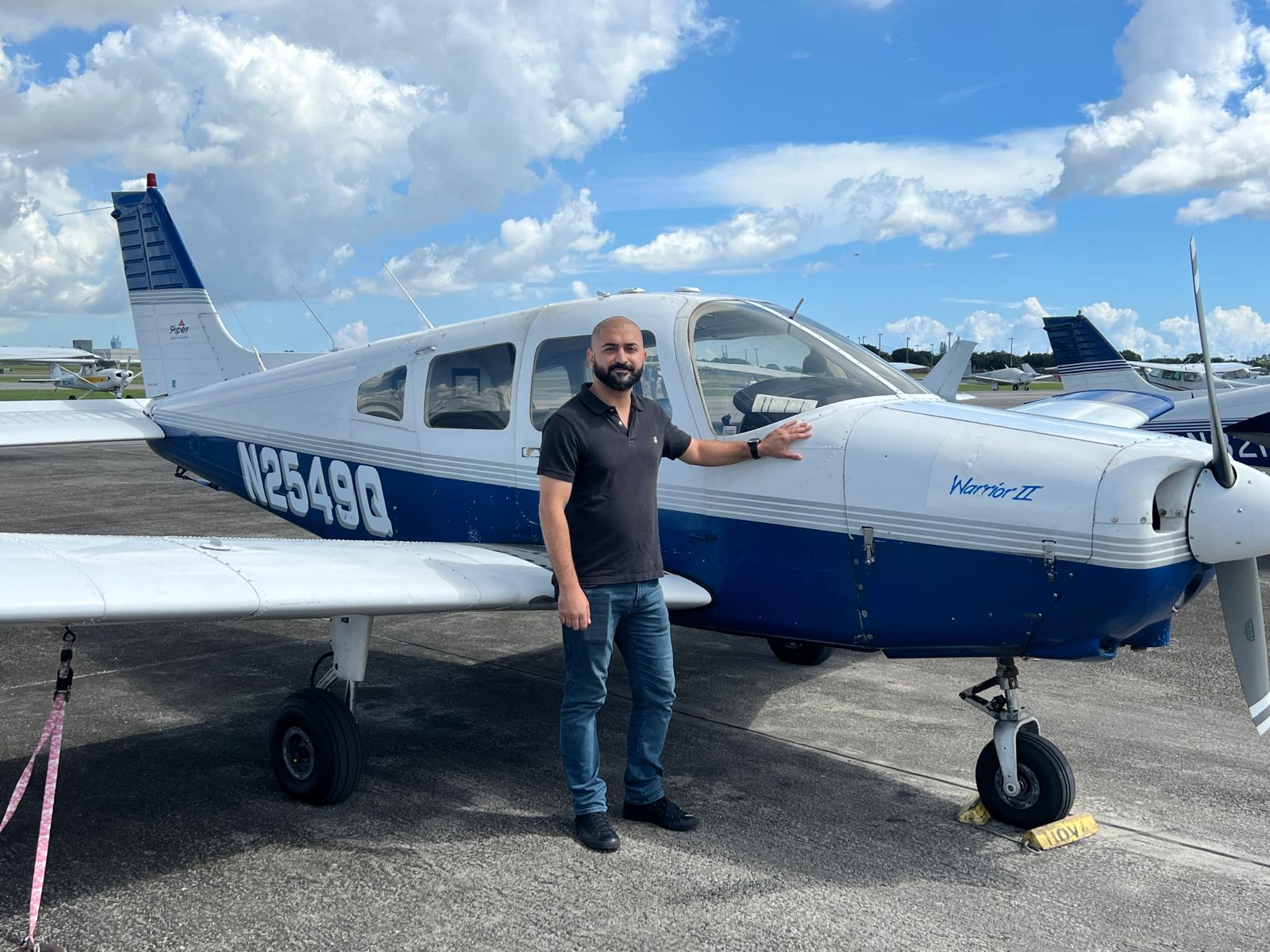
Start Your South Florida Flight Training with Confidence
Choosing a South Florida flight school is a big decision. You are putting your time, energy, and money into a dream, so the school you pick should support that dream, not slow it down. The right flight training course fits how you live, how you learn, and where you want your aviation career to go.
South Florida is one of the most active flying regions in the country. There is year-round flying weather, busy airline hubs, smaller general aviation airports, and a mix of ocean and Everglades airspace. That variety can help you grow fast as a pilot, as long as you match the airport location, airspace, and training schedule to your needs. We will walk through each of these pieces so you can feel clear and confident as you look at different schools
Why Airport Location Shapes Your Training Experience
Airport location affects almost every lesson, from the moment you leave your driveway to the time you shut down the engine. In South Florida, you will find:
- Large commercial airports near big cities
- Mid-sized regional airports that see airline and cargo traffic
- Smaller general aviation fields, both near the coast and farther inland
Airports closer to Miami, Fort Lauderdale, and Palm Beach usually have more airline traffic, longer taxi routes, and more time spent waiting for takeoff and landing. Those waits still count as training time, so they can stretch how long it takes to finish a flight training course. Smaller or mid-sized airports usually have shorter lines, more direct access to the runway, and more freedom to practice takeoffs and landings.
Fuel and services can also vary from airport to airport, and busy summer travel can increase congestion at larger fields. When you compare schools, pay attention to:
- Average time from engine start to takeoff
- Typical ground delays during busy hours
- Runway length and availability for training
Lifestyle matters too. South Florida traffic is no joke, especially at rush hour. A school that is technically “close” on a map might still take a long time to reach every time you fly. Think about:
- Commute time from home, work, or school
- Onsite parking and security at the airport
- Food, study spots, and quiet places nearby for pre- and post-flight briefings
A convenient, training-friendly airport makes it easier to stay consistent and enjoy the process.
Airspace Complexity and Your Skill Growth
The sky above South Florida is layered with different types of airspace. Around the largest airline hubs you will find Class B airspace, which is the most controlled. Surrounding those are Class C and D airports, which still use control towers and clear rules, and then there are quieter areas often used for practice over the Everglades or the coastline.
Training in more complex airspace can speed up your learning in areas like:
- Clear and confident radio communication
- Situational awareness and traffic scanning
- Working with air traffic control instructions
You get used to hearing lots of radio calls, following clearances, and thinking ahead. That kind of practice builds confidence, especially if you want to fly in busy areas later on. It does, however, call for careful planning and a strong instructor who knows the local routes and procedures.
If you are brand new, it can help to strike a balance. Many students do well when they:
- Start at an airport with a tower, but not constant airline traffic
- Use quieter practice areas at first to learn the basics
- Gradually add flights into bigger, busier airspace as skills improve
Ask each school how they introduce new students to local airspace. A clear, step-by-step plan is a good sign that they are thinking about both safety and your long-term growth.
Building a Training Schedule That Actually Works
You can have the perfect airport and airspace, but if your schedule is a mess, your progress stalls. In South Florida, weather can be very local. Warm days can bring pop-up thunderstorms, and certain times of day are more reliable than others.
When you compare schools, ask how they handle scheduling. Strong programs usually offer:
- Online booking so you can see aircraft and instructor availability
- Enough airplanes and instructors to support multiple bookings per week
- Clear policies for canceling or moving lessons when the weather changes
Think about the pace you want. A full-time flight training course might have you flying most days of the week, which can move you along quickly if you are ready to make that your main focus. Part-time training, like two or three lessons per week, fits better for people balancing work, school, or family.
The key is consistency. Spaces of several weeks between lessons can slow your progress and lead to repeating material. Before you sign up, look at your life honestly and decide:
- When you can realistically fly each week
- How far you want to drive to the airport on those days
- How flexible you can be when the weather or life events pop up
A school that works with you to build a realistic schedule helps you stay motivated from start to finish.
Evaluating Flight School Quality Beyond the Brochure
Web pages and photos only tell part of the story. The best way to feel the quality of a school is to visit in person at their South Florida base.
As you walk around, notice:
- Overall condition of training aircraft
- How maintenance areas look and feel
- Professionalism and focus of instructors and staff
Do not be shy about asking questions. Some helpful ones include:
- How many students does each instructor typically work with?
- What is the average time it takes students to finish a private pilot flight training course?
- How are students prepared for checkrides?
- Are advanced ratings and aircraft rental available once you earn your first certificate?
We believe structured, syllabus-driven training makes a big difference. When every lesson has a clear goal, and you know what comes next, it is easier to track your progress. A professional training setting also prepares you for airline or corporate paths, if that is where you want to go later.
At Fly Legacy Aviation, we follow this structured approach at our South Florida base, offering organized training from your first flight through advanced ratings in a professional, supportive environment.
FAQs About Choosing a South Florida Flight School
How Long Does a Typical Flight Training Course Take in South Florida?
For a private pilot certificate, motivated students flying two or three times per week can often finish in a few months. Part-time students or those with frequent weather or schedule changes may take longer, and each advanced rating usually adds several more months, depending on how steady the training schedule is.
Is Training in Busy South Florida Airspace Too Hard for Beginners?
No. With a patient instructor and a smart plan, busy but controlled airspace can help you learn faster. Many programs start in quieter practice areas, then slowly add towered airports and more complex routes as you gain skill and confidence.
How Does Summer Weather in South Florida Affect Flight Lessons?
Summer often brings heat, humidity, and afternoon thunderstorms. Many schools plan more lessons in the morning and early afternoon, then adjust around any storms that form later in the day. Flexible scheduling and clear weather policies help keep you moving forward.
Should You Choose a School Near a Major Airport or a Smaller Field?
It depends on your goals and comfort level. Airports near large hubs give you helpful experience with busy operations, while smaller fields usually mean less taxi time and fewer delays. Many students like training mostly at a smaller airport, then visiting larger airspace as their skills improve.
What Should I Look for in a School’s Schedule and Availability?
Look for lesson times that fit your daily life, enough aircraft and instructors to support regular flying, and clear rules for cancellations and weather changes. Consistent access to airplanes and instructors is one of the most important pieces in finishing your flight training course efficiently.
Take The First Step Toward Becoming A Confident Pilot
If you are ready to move from dreaming about flying to logging real hours in the cockpit, our flight training course is the place to start. At Fly Legacy Aviation, we focus on clear instruction, structured lessons, and real-world skills that prepare you to fly safely and independently. Reach out to our team with questions or to schedule your first lesson through our contact page. We are here to guide you from your first discovery flight to your final checkride.
