
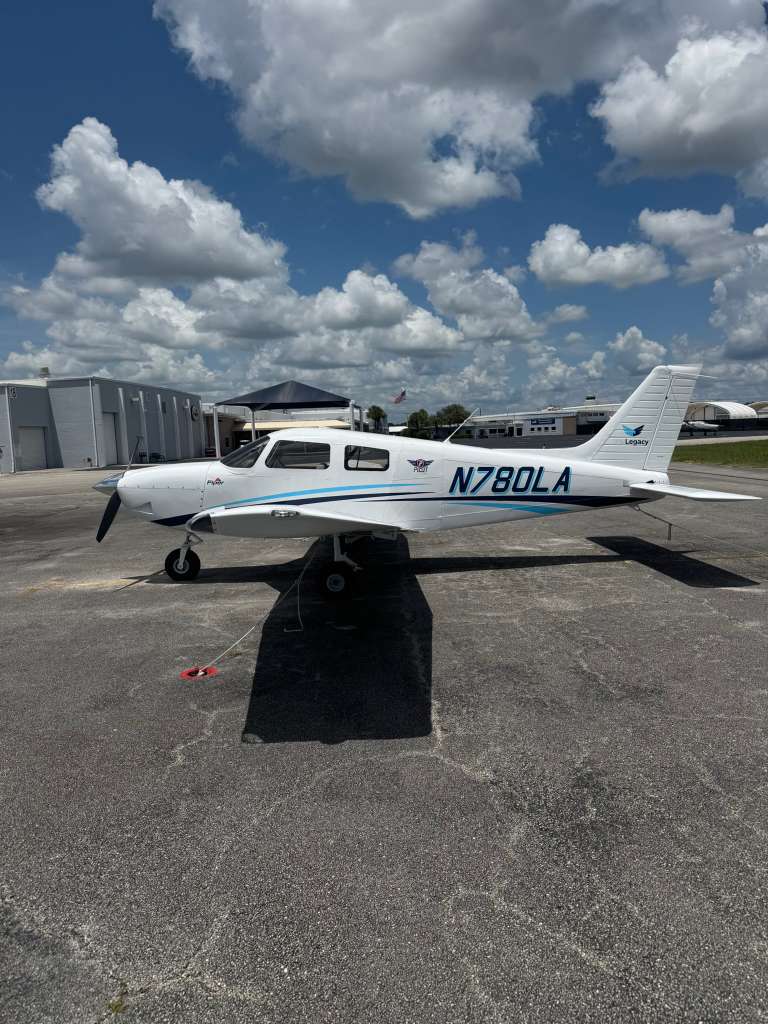
Launching a Pilot Career on a Non-College Track
Becoming a professional pilot without a college degree is not only possible; it is a well-traveled path. Flying is a high-skill trade that rewards discipline, technical ability, and judgment, and many regional airlines, charter companies, and corporate operators focus more on your experience and training than on a four-year diploma.
At the center of this path is commercial pilot certification. This is the license that legally allows you to be paid to fly. Reaching it takes a serious time commitment, a financial investment, and a willingness to treat flight training like a full-time professional goal, even if you are fitting it around work or family.
At Fly Legacy Aviation, we train students from first flights to advanced ratings in Philadelphia and South Florida. We see every day how a structured, non-college track can lead from your first lesson to the right seat of a professional cockpit.
Licenses, Ratings, and What You Really Need
If you are starting from zero, the training steps usually follow a predictable order. While every pilot’s path looks a little different, most progress through:
- Discovery Flight
- Private Pilot License (PPL)
- Instrument Rating
- commercial pilot certification
- Multi-Engine Rating
- Flight Instructor certificates (CFI, then often CFII and MEI)
Your PPL lets you fly for fun and personal travel. The Instrument Rating teaches you to fly in clouds and poor visibility using instruments. Commercial pilot certification raises your skills and knowledge to the level needed to accept payment for flying. Multi-Engine training prepares you for aircraft with more than one engine, which are common in professional operations. Instructor ratings then open the door to teaching others and building hours.
Legally, you must meet minimums in:
- Flight hours in specific categories
- Medical certification from an aviation medical examiner
- Age requirements for each license or rating
- English language proficiency
Those minimums get you licensed, but the job market often expects more. Airlines and many operators want to see solid total time, recent experience, and a clean training record. Some carriers still prefer or require a degree, especially at the major airline level, but many regional, charter, and cargo operators hire pilots based primarily on hours, training quality, and professionalism.
A few common myths hold people back. You do not need a college degree to start training, and enrolling in a flight school does not automatically guarantee a job. What matters is how you perform, how efficiently you train, and how you present yourself as a professional.
Building a Step-by-Step Career Plan Without College
A realistic path from zero time to commercial pilot certification can often be planned in phases. While exact timelines vary, a focused student might structure training like this:
- Phase 1: Discovery Flight and PPL
- Phase 2: Instrument Rating
- Phase 3: Commercial pilot certification and Multi-Engine
- Phase 4: Instructor ratings and first paid flying roles
Planning your life around training is just as important as planning the lessons themselves. Many students succeed by:
- Working part-time instead of full-time while training
- Blocking out specific days and times each week for flying
- Treating ground study like homework, not an afterthought
- Keeping gaps between lessons as short as possible
Once you earn commercial pilot certification, early career steps often include becoming a Certified Flight Instructor, flying as an instructor to build time, then moving into roles like aerial survey, banner towing, or small charter operations. Those jobs help you build the experience you will need for regional airlines, cargo, or corporate positions.
At Fly Legacy Aviation, we design structured programs that make this progression clear. From your first Discovery Flight, we help you understand how each rating connects to your longer-term goal of a professional cockpit, even if college is not part of your plan.
Financing Training and Keeping Costs Under Control
Flight training is a significant investment, so going in with a clear financial strategy is essential. Costs generally rise as you move from PPL to Instrument to commercial pilot certification, then to multi-engine and instructor ratings. Some students pay as they go, while others finance portions of their training. Each approach has pros and cons.
Pay-as-you-go can:
- Limit debt
- Give you flexibility to adjust pace
- Require strong budgeting discipline
Financing can:
- Let you train more intensively
- Shorten the overall calendar time to commercial-level skills
- Add long-term repayment obligations
Funding options often include savings, loans, scholarships, GI Bill benefits where applicable, and careful budgeting. Regardless of how you pay, how you train has a big impact on total cost. You can help control expenses by:
- Flying frequently so you are not relearning skills each lesson
- Using simulators where appropriate to practice procedures
- Studying thoroughly on the ground before each flight
- Training in aircraft that balance capability with affordability
A focused academy environment, like the one we maintain at Fly Legacy Aviation, supports efficient progress. Consistent instruction, clear syllabi, and structured lessons reduce unnecessary repeat flights and help every hour in the air count.
From Commercial Pilot to Paid Flying Roles
Once you hold commercial pilot certification, your priority becomes building experience safely and quickly. Many pilots start by instructing, which offers a steady way to log hours while sharpening your own skills. Others add time in roles such as:
- Banner towing and aerial advertising
- Pipeline or powerline patrol
- Skydiving operations
- Entry-level charter and sightseeing flights
As your hours increase, you can aim at regional airlines, cargo carriers, and corporate flight departments. These operators commonly look at:
- Total flight time and multi-engine time
- Recent instrument experience
- Training quality and checkride history
- Professionalism and references
When you do not have a degree, your training record and reputation matter even more. Showing up prepared, treating each lesson like a job, and building positive relationships with instructors and peers can make you stand out when hiring managers compare resumes. At Fly Legacy Aviation, our training environment and alumni connections help students find mentors and understand what those hiring managers are actually looking for.
Long-Term Growth and Staying Competitive Without a Degree
A non-college pilot career is not a shortcut, it is simply a different path. To stay competitive over the long term, you can:
- Pursue advanced ratings and type ratings as opportunities arise
- Maintain an excellent safety record and strong checkride performance
- Keep up with recurrent training and new procedures
- Document your flying cleanly and consistently
Soft skills matter just as much. Operators notice pilots who communicate well, work smoothly with crews, handle passengers professionally, and adapt to different cultures and operating styles. You can strengthen your resume further with targeted online courses in subjects like aviation management, meteorology, human factors, or technical subjects that interest you.
The habits you build on day one of flight training follow you for your entire career. Showing discipline, a strong work ethic, and a willingness to keep learning often outweighs the lack of a traditional degree, especially when paired with commercial pilot certification and a solid logbook.
Frequently Asked Questions About Non-College Pilot Careers
How Long Does It Take to Become a Commercial Pilot Without College?
For a highly committed student who trains consistently, earning commercial pilot certification often takes about 12 to 24 months from zero experience, depending on your schedule, weather, and how frequently you fly and study.
Do Airlines Still Hire Pilots Who Do Not Have a College Degree?
Many regional and cargo operators hire pilots without a four-year degree, focusing more on flight hours, training quality, and professionalism, although some major airlines still prefer or require degrees, so it is important to research the employers you hope to fly for.
Is Flight Training Harder Than Going to College Academically?
Flight training is intensive and very practical, combining hands-on flying with technical knowledge in aerodynamics, weather, navigation, and regulations, and while it feels different from traditional classroom work, it still demands disciplined study and consistent practice.
How Much Does Commercial Pilot Training Usually Cost?
Total costs from zero time through commercial pilot certification can reach tens of thousands of dollars or more, depending on your pace, location, aircraft type, and efficiency, which is why careful budgeting, planning your financing, and avoiding unnecessary repeat lessons are so important.
Can I Work While I Am Training to Be a Pilot?
Many students do work part-time while training, but balancing employment with frequent, consistent lessons is key to keeping skills sharp and overall costs manageable, and a structured academy can help you build a schedule that supports both your life and your aviation goals.
Take The Next Step Toward Your Airline Career
If you are ready to move from dreaming about the cockpit to sitting in it, we are here to guide you every step of the way. Explore our commercial pilot certification training to see how Fly Legacy Aviation can help you meet airline hiring standards with confidence. Our team will walk you through requirements, scheduling, and financing options so you can start on a clear path forward. Have questions or want to talk through your goals with an instructor? Just contact us and we will help you get started.
