
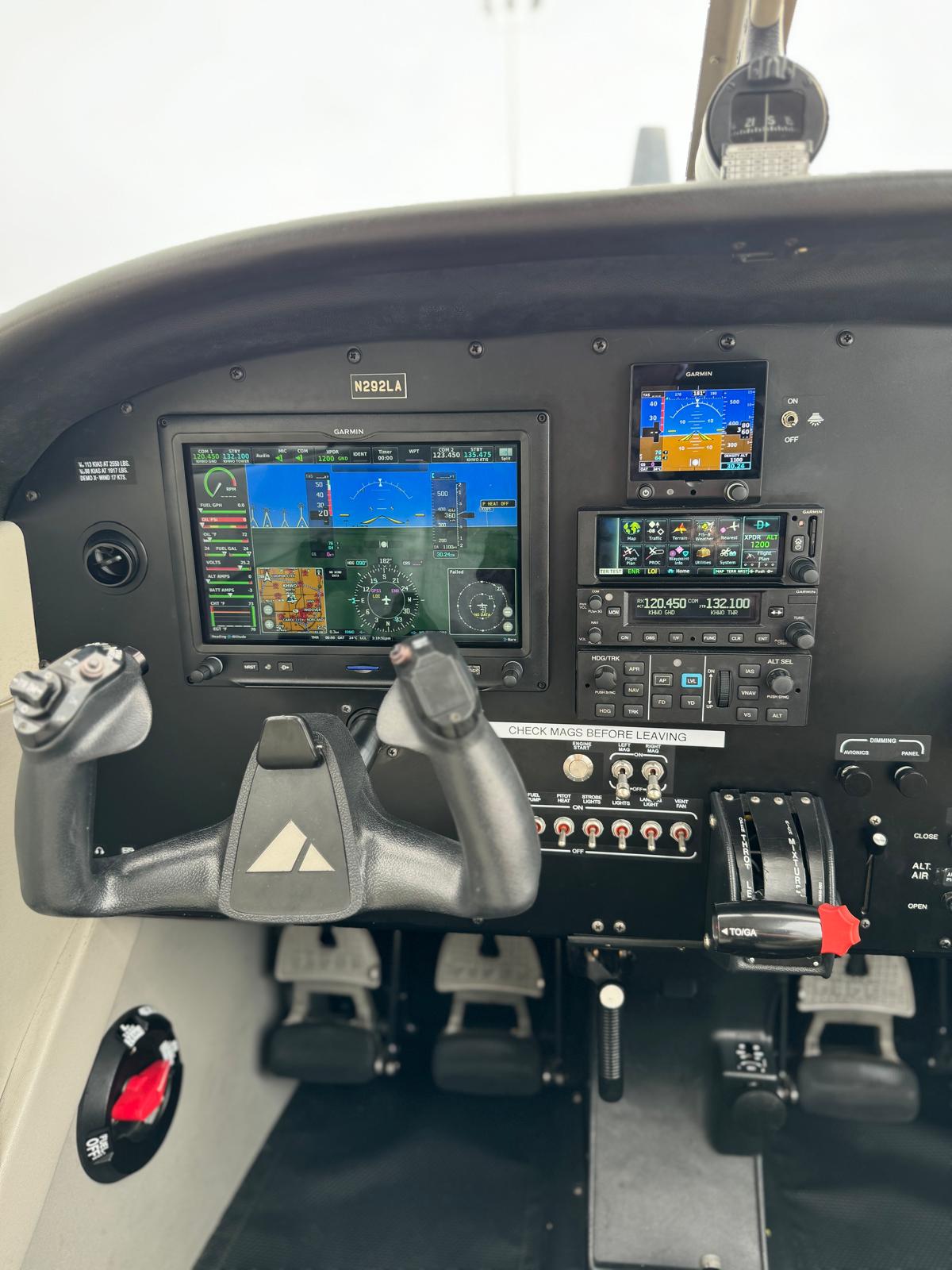
Launching Your Aviation Journey with Confidence
Choosing how to start a flying career right after high school is a big decision. Many graduates feel torn between enrolling in a four-year college aviation program or going straight into focused pilot training programs at a dedicated flight school. The path you choose affects how fast you get into a cockpit job, how much you pay overall, the kind of training you receive, and the lifestyle you live while you are learning.
Not all pilot training programs are built the same, and it is easy to get distracted by glossy brochures or big promises. Comparing options side by side helps you see what really matters: structure, safety, instructor quality, aircraft availability, and long-term career support. In this article, we will walk through the main differences between college and direct flight schools, what to look for before you enroll, how to think about cost and return on investment, and how our team at Fly Legacy Aviation in Philadelphia and South Florida fits into that bigger picture.
College Degree vs. Direct Flight School: What Really Changes
The traditional college aviation route usually combines a four-year degree with integrated flying. You attend classes on campus, take general education courses, and complete flight labs tied to your degree. You get the college experience, but you also commit to a longer timeline and higher total tuition, since you are paying for both academic and flight training.
Direct flight school pilot training programs work differently. At a focused school, your time and money go almost entirely toward flying and ground training. The pace is usually faster, the schedule can be more flexible, and you can move from zero experience to key ratings in a shorter period.
When you compare timelines, ask yourself:
- How long until I can hold a commercial certificate and start earning money?
- How many years until I reach airline minimums or other professional goals?
- How many days per week can I realistically fly?
College degrees can still matter, especially at major airlines that prefer or recommend them. However, plenty of professional pilots start in direct pilot training programs, then complete degrees online while working and building hours. That way, your flying career is not delayed, and you keep doors open for future promotions or selective airline positions.
What to Compare in Pilot Training Programs Before You Enroll
Once you are clear on the big-picture paths, the next step is comparing individual schools. A strong program is more than just aircraft and a runway.
Key areas to look at include:
- Training structure: Does the school follow a clear syllabus from Private Pilot through Instrument and Commercial? Are there defined tracks for students who want to instruct or move into professional flying, or is it more of a pay-as-you-go setup without a long-term plan?
- Instructor quality and availability: Ask how many full-time instructors they have, how they support new instructors, and what the typical student-to-instructor ratio looks like. A healthy safety culture, consistent feedback, and approachable mentors make a big difference when you hit tough lessons.
- Fleet and facilities: Look at aircraft variety, maintenance practices, and whether they offer simulators for procedures and instrument training. A school with locations in different regions, like Philadelphia and South Florida, can offer both complex airspace experience and more flyable weather, which often means more consistent progress.
- Scheduling and pacing: Some schools promise fast timelines but do not have the schedule or aircraft availability to back it up. Ask how often most students fly per week, how they handle weather delays, and what happens if an airplane goes into maintenance.
A good comparison includes both what is written on a brochure and what you see in person, so a campus or airport visit is worth the time.
Cost, Financing, and Real Return on Investment
Cost can feel like the scariest part of planning for pilot training programs, but breaking it into clear pieces makes it easier to understand. For both college and direct flight school paths, you will need to budget for:
- Tuition or hourly training fees
- Aircraft rental and instructor time
- Examiner and knowledge test fees
- Headsets, books, charts, and other supplies
- Housing, transportation, and everyday living costs
College programs sometimes offer access to federal financial aid and campus scholarships, while independent flight schools may work with private lenders or offer payment plans. When you talk with any school, ask what types of loans or funding their students commonly use and whether there are any aviation-specific scholarships they recommend you pursue.
Return on investment comes down to how quickly your training leads to income. If a shorter, more focused program lets you start working as a flight instructor or in another flying role sooner, you might carry less total debt and have more earning years ahead of you. Hidden costs, like extra months added by poor scheduling, long gaps between lessons, or retakes of flight tests, can also raise the final price, so it is smart to ask about typical completion times, not just best-case scenarios.
Career Outcomes, Networking, and Location Advantages
Your first training environment shapes your early career more than many students expect. When you compare pilot training programs, look closely at the career support each one provides.
Helpful questions include:
- Do they have relationships with regional airlines, charter operators, or local aviation employers?
- Is there guidance on building hours, writing resumes, and preparing for interviews?
- What percentage of students choose to become instructors there, and how competitive is it to get an instructor position?
Location plays a big role in both skill building and networking. Training in busy airspace like the Philadelphia region builds confidence with real-world radio work, traffic, and diverse operations. Time in favorable weather environments like South Florida can help you log more consistent hours and get comfortable with cross-country flying.
Professional-focused pilot training programs also prepare you for a wide range of roles beyond airline flying, such as charter, cargo, corporate, and instructing. A school that exposes you to different types of operations and encourages you to meet pilots from various sectors gives you more options when you are ready for that first job.
How Fly Legacy Aviation Fits Into Your Decision
At Fly Legacy Aviation, we know that choosing between college and a direct flight school path is not a one-size-fits-all decision, especially right after high school. Our role is to give you clear, honest information about what each option looks like in practice so you can decide what fits your goals and timeline.
Our pilot training programs are structured to take students from their very first discovery flight through advanced ratings and professional tracks. In practice, a typical new graduate working with us might:
- Start with a discovery flight to confirm that flying feels right
- Enroll in a structured Private Pilot course with a clear syllabus
- Move into Instrument and Commercial training on a planned schedule
- Add additional ratings, then build hours as an instructor or in other flying roles, depending on opportunities and performance
With training offered in both the Philadelphia area and South Florida, students can experience different types of airspace and weather while staying within one consistent training philosophy. For many high school graduates, that combination of structure, flexibility, and long-term guidance creates a clear line from classroom to cockpit.
Frequently Asked Questions
Can I Become an Airline Pilot Without Going to College?
Many airlines still prefer degrees, but it is possible to build a strong career starting with structured flight school training and then earning a degree later through online or part-time study. The key is to check current hiring preferences for the companies you are most interested in and plan your training and education together.
How Long Does It Take to Go From Graduate to Paid Pilot?
In focused pilot training programs, motivated students often complete core ratings within roughly one to two years, depending on schedule, weather, and consistency. After that, many pilots start earning income as instructors or in other entry-level roles while they continue to build flight time for future opportunities.
Is Flight School Cheaper Than a College Aviation Program?
Direct flight schools often have lower overall training costs and shorter timelines than four-year aviation degrees, because you are paying almost entirely for flight and ground training. College programs add value through campus life and a degree, but you pay for that with additional tuition and time.
What Should I Ask a Flight School Before I Enroll?
You will want to ask about the training syllabus, typical completion times, instructor availability, and how they maintain their aircraft. It also helps to ask about total estimated costs for each rating, how they handle schedule disruptions, and what kind of job support they offer after you finish your training.
Does Fly Legacy Aviation Offer a Clear Path to Professional Flying?
Fly Legacy Aviation designs its pilot training programs to support students from their first lesson through advanced ratings and professional-focused tracks. With structured syllabi, experienced instructors, and training locations in Philadelphia and South Florida, we work with students to plan realistic steps from high school graduation to professional flying.
Take The First Step Toward Your Aviation Career Today
If you are ready to move from dreaming about flying to sitting in the cockpit, our pilot training programs are built to guide you from your first lesson to confident, real-world skills. At Fly Legacy Aviation, we tailor training to your goals, experience level, and schedule so you can progress efficiently and safely. Talk with our team to map out the path that fits you best, or reach out with questions anytime through our contact page.
