
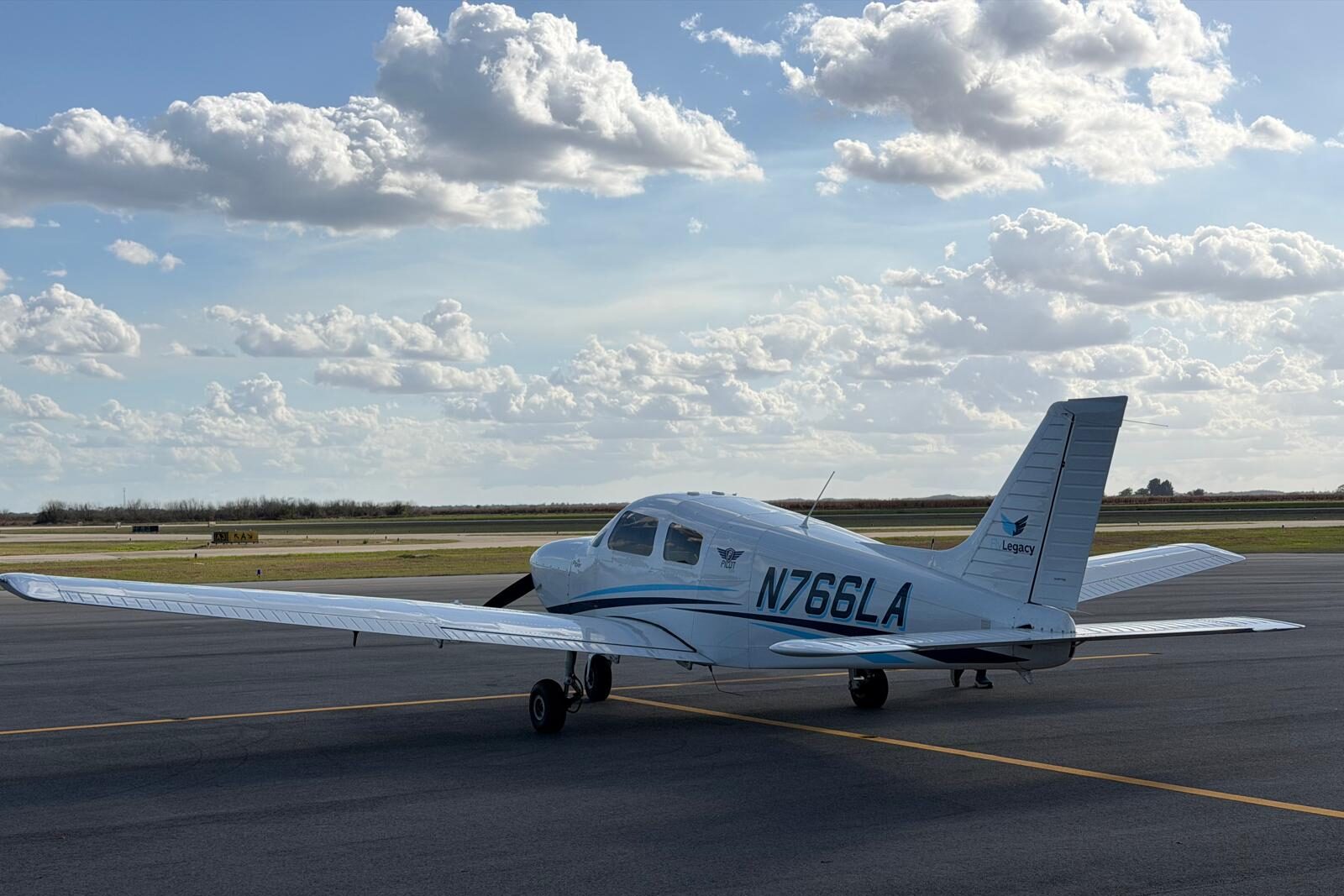
Building an Airline-Ready Mindset at Pilot Schools in South Florida
Turning flight training into an airline career starts with how you think, not just how you fly. From your very first lesson, you can either treat training like a casual hobby or like the first step toward a professional cockpit. That choice shows up in every habit you build, every note you take, and every decision you make in the airplane.
Pilot schools in South Florida give you a big advantage. With mostly flyable weather and steady sunshine, you can build experience quickly and stay current. When you pair that with an airline-focused mindset, you are not just collecting hours; you are getting yourself ready for real hiring opportunities as demand for pilots keeps growing.
Turn Flight Training Into an Airline Career Launchpad
Many people start flying just to see if they like it. There is nothing wrong with that. But if you already feel drawn toward an airline career, it pays to think like a future first officer from day one.
Instead of asking, “How do I pass the next checkride?”, start asking, “How do I act like a professional pilot today?” That shift changes how you study, how you brief, and even how you walk into the school.
Pilot schools in South Florida help in a few key ways:
- Consistent flying that keeps skills sharp
- Short gaps between lessons so you do not lose progress
- Real-world weather and airspace that keep you engaged
At Fly Legacy Aviation, we see every stage, from discovery flights to advanced ratings, as part of one long path. When students treat each step like a building block toward the airlines, things click faster and training feels more focused.
What Airlines Really Look For
Airlines care about flight time and ratings, but they look closely at how you earned them. They want pilots who are safe, steady, and professional in all conditions.
Some of the qualities they value most include:
- Good judgment when things do not go as planned
- Clear, calm communication on the radio and in the cockpit
- Strong crew coordination and respect for roles
- The ability to follow procedures even under pressure
Structured programs, like the ones we run at Fly Legacy Aviation, help you practice these skills early. You learn to work with standard operating procedures, checklists, and scenario-based lessons that feel closer to airline flying.
Little things matter too. Clean training records, being on time, keeping a neat logbook, and listening to instructor feedback all send a message. They show that you care about safety, respect the process, and can be trusted with more responsibility later.
Daily Habits That Mirror Airline Operations
You do not need an airline uniform to act like an airline pilot. You can build those habits right now in single-engine trainers.
On every training day, aim to:
- Show up early, prepared, and ready to brief
- Complete thorough preflight planning, including weather and fuel
- Use checklists every single time, no shortcuts
- Take notes after each flight so you know what to improve next
Treat your solo flights like you already have a crew. Talk through threats and errors out loud. Do a short self-brief before takeoff. Review your decisions after landing. This “crew” mindset trains you to think ahead and manage risk the way airline pilots do together.
South Florida makes it easier to stay in this rhythm. With high flight volume and mostly predictable weather patterns, you can fly often, practice these habits repeatedly, and let them become second nature instead of something you have to think about.
Using South Florida’s Training Environment to Sharpen Skills
The local environment gives you lessons you cannot always get from a quiet, slow airfield. Warm summer days bring real challenges like heat, humidity, and pop-up thunderstorms around the coast. Learning to plan around those conditions sharpens your aeronautical decision-making.
Training in this region often means:
- Learning how heat affects performance and density altitude
- Watching radar trends and storm buildups to time flights safely
- Staying flexible when the weather forces a delay or a change of route
The airspace is active, with plenty of traffic and live ATC. That helps you grow comfortable with:
- Constant radio work, readbacks, and rapid instructions
- Traffic awareness while still flying the airplane well
- Moving through different types of airspace without stress
At Fly Legacy Aviation, our modern fleet supports frequent flying so you can keep that recent experience. When you are used to flying often in a busy, fast-paced setting, stepping into a regional or major airline cockpit later feels like a natural next step instead of a shock.
From Discovery Flight to Airline Track at Fly Legacy Aviation
A clear path makes big goals feel less scary. We like to show students how each rating connects to the next and how it all leads to airline eligibility.
For most future airline pilots, the path looks like this:
- Discovery flight to confirm flying is a good fit
- Private Pilot to fly safely on your own
- Instrument Rating to handle clouds and low visibility
- Commercial rating to fly for hire
- CFI and CFII to build time while teaching
- Airline-focused programs to refine skills and readiness
When you see your training laid out like this, it is easier to plan your time, stay motivated, and hit hiring windows as the market shifts. Our instructors and mentors share their own experience, talk through options, and help you decide which steps match your goals.
Among pilot schools in South Florida, we are proud to offer structured paths that work both for people who just want to fly for fun and for those who dream of an airline seat. The mindset you bring is what makes the difference.
Mental Resilience and Safety-First Thinking
Even with a strong plan, training is not always smooth. You will have plateaus, tough lessons, and checkrides that feel stressful. Building an airline-ready mindset means staying steady through all of that.
A few ways to build resilience:
- Treat setbacks as data, not drama
- Ask for feedback instead of hiding mistakes
- Stay focused on long-term goals, not just one bad day
Safety-first thinking runs through everything. Make conservative choices about weather and risk, stick to the procedures you were taught, and refuse to normalize shortcuts. Use debriefs to look honestly at what went well and what did not.
Simple mental tools help too. Chair flying at home, visualizing each phase of a flight, and setting one or two clear goals before each lesson keep your mind sharp. Over time, this builds emotional maturity: you own your decisions, accept critique, and see every stage check as a chance to grow into the pilot airlines want.
Frequently Asked Questions About Pilot Schools in South Florida
How Is Training in South Florida Different From Other Regions?
Training here usually means more consistent flying, which helps you build skills and confidence faster. You also work in active airspace with real ATC, varied traffic, and coastal weather patterns that keep you sharp and engaged.
How Long Does It Take to Reach Airline Eligibility From Zero?
Timelines are personal, but many focused students who train steadily can move from first lesson to meeting regional airline minimums in roughly two to three years, including ratings and time building.
What Should I Look for When Comparing Pilot Schools in South Florida?
Pay attention to safety culture, instructor quality, aircraft maintenance, and how structured the training programs are. Ask about aircraft availability, scheduling, financing options, and whether the school teaches airline-style procedures and professionalism.
Do I Need a College Degree to Become an Airline Pilot?
Many regional airlines hire pilots without a four-year degree, while major airlines often prefer or require one. You can begin flight training now and work on a degree at the same time or later, depending on your plans.
How Can I Tell If I Am a Good Fit for an Airline Career Path?
You may be a strong fit if you like structure, teamwork, and constant learning, and if you stay calm when things get busy. Early in training, notice if you naturally follow checklists, make safe choices, and welcome feedback, because airlines value those traits highly.
Take The Next Step Toward Your Pilot Career Today
If you are comparing pilot schools in South Florida, we are ready to help you map out a clear training path from discovery flight to advanced ratings. At Fly Legacy Aviation, we focus on personalized instruction that matches your goals, schedule, and budget. Reach out so we can answer your questions, review your options, and help you choose the right course. To speak with our team directly about enrollment or financing, simply contact us.
