
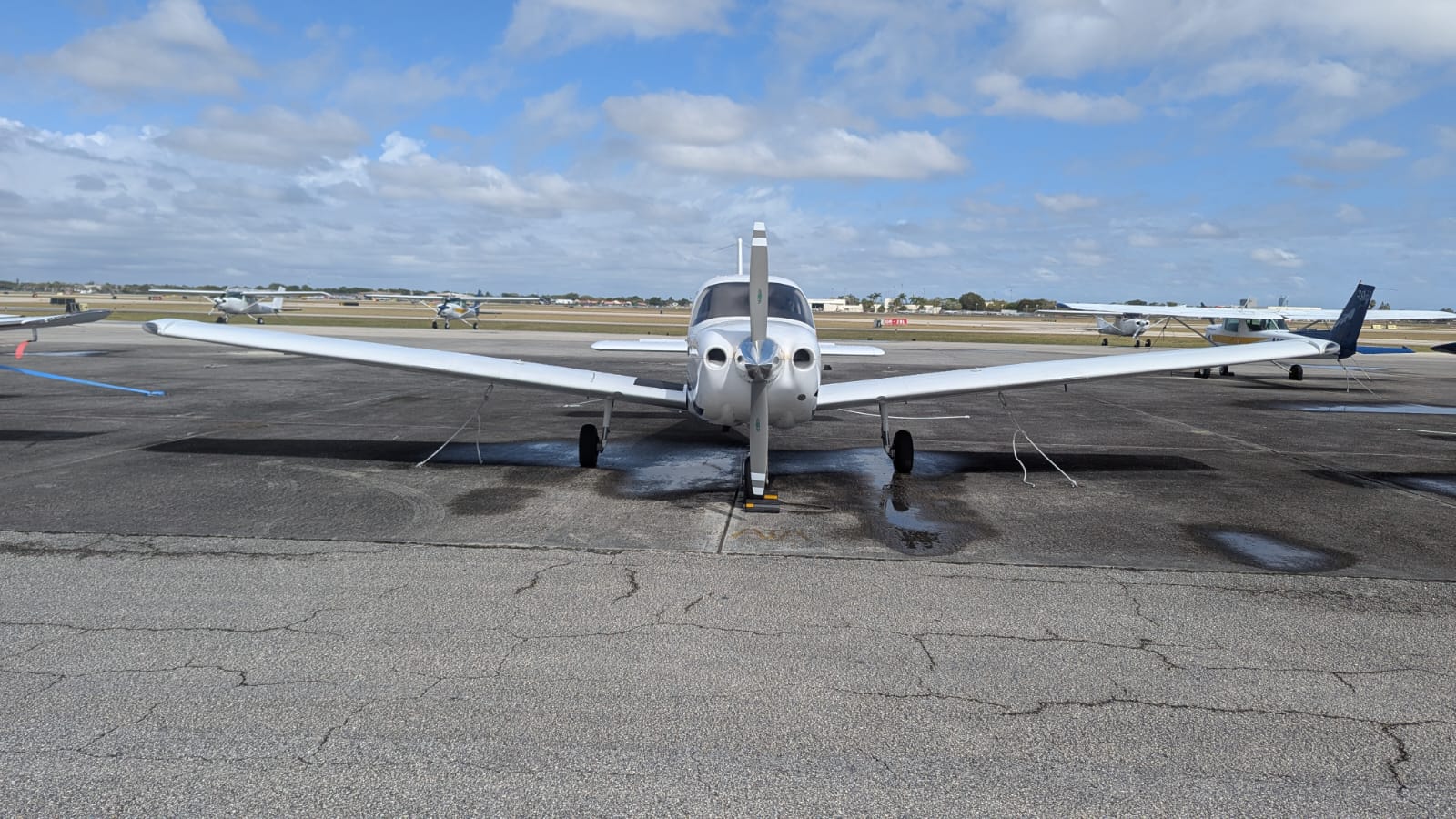
Start Your Florida Flight School Visit with a Plan
Training in Florida sounds pretty great. Lots of flying days, long daylight hours, and busy airspace that keeps you sharp. That is exactly why picking the right aviation school in Florida matters so much. You are not just choosing airplanes; you are choosing the habits, safety mindset, and support system that will shape you as a pilot.
This checklist is built to help you walk into any school tour with confidence. We will walk through what to ask on the tour, what to look for in aircraft maintenance records, and how to compare instructor availability and scheduling. When you visit schools, look for a clear, professional setup, like what we aim for at our South Florida campus: structured programs, organized operations, and a team that welcomes your questions.
Smart Questions to Ask on Any Florida Flight School Tour
Go into your tour with questions ready. You are not being picky, you are doing your homework.
For training structure and safety culture, ask things like:
- How is training laid out from discovery flight to advanced ratings and airline-track options?
- What standard operating procedures do students follow on every flight?
- How often will someone review your progress with you, and what do stage checks look like?
You want to hear that safety is built into every lesson, not just a poster on the wall. Ask how they teach risk management from day one and how they expect students to speak up about concerns.
For fleet quality, availability, and weather readiness, try questions such as:
- How many training aircraft are there compared with the number of active students?
- In late summer, when Florida gets busy and stormy, how long do students usually wait for a booking?
- What kind of avionics do the airplanes have, and how does that support your long-term goals, like airline or corporate flying?
Florida afternoons can bring storms and high heat. Ask how they plan the schedule around early mornings, mid-day breaks, and fast-changing conditions.
For student support and campus environment, ask:
- Do they offer ground school, tutoring, or checkride prep?
- Are there quiet places to study and good transportation or housing options nearby?
- Can you meet current students and instructors and ask them about communication, feedback, and overall culture?
You should walk away with a clear picture of how it will feel to train there day after day.
How to Review Aircraft Maintenance Logs Like a Pro
You do not need to be a mechanic to spot basic clues in maintenance records. Ask to see:
- Airframe and engine logbooks
- Entries for annual inspections and 100-hour inspections
- Notes about major repairs or parts replacements
Learn a few key terms:
- Annual inspection: required every 12 calendar months
- 100-hour inspection: required for aircraft used for training or hire every 100 flight hours
- AD compliance: proof that Airworthiness Directives from the authorities have been addressed
A professional aviation school in Florida should be glad to walk you through these pages at your pace and explain what you are seeing.
Look for green flags like:
- Recent, steady inspection entries without big gaps
- Clear signatures and certificate numbers from mechanics
- Specific notes that show ADs have been handled, not just “checked OK”
Watch for red flags, for example:
- Long gaps between inspections or unclear dates
- The same system, like brakes or radios, breaking again and again
- Messy, vague notes that are hard to read or understand
Also ask how the school handles squawks, which are issues students or instructors report after flights. Good questions include:
- How do we report a problem with an aircraft?
- How fast are aircraft taken out of service when there is a concern?
- Who decides when an airplane is ready to return to training?
Well-maintained airplanes usually mean fewer last-minute cancellations. Ask about their past cancellation rates for maintenance and weather, especially during storm season, and what backup plans they have if several aircraft are down.
Comparing Instructor Availability and Scheduling Transparency
Your relationship with your instructor and the schedule you can keep will shape your progress more than almost anything else.
Ask about instructor loads and availability:
- How many students does a typical instructor handle?
- What does a normal training week look like for a student who flies two or three times per week?
- Are instructors available in the evenings or on weekends if you work or go to school?
Continuity matters, so ask if you will stay with one main instructor from discovery flight up to the checkride, and what happens if that instructor leaves for another job.
Then look at the scheduling system itself. Ask to see the actual app or platform they use. Check:
- Is aircraft and instructor availability shown in real time?
- Are cancellation and no-show policies easy to understand?
- How far ahead can you book, change, or cancel, especially during late summer when schedules fill fast?
Instructor turnover and communication habits can also affect your training. Good questions include:
- How often do instructors move on, and how are students supported when that happens?
- If an instructor leaves, how do you get matched with a new one and brought up to speed?
- Who will be your main point of contact for planning and questions?
Pay attention to how quickly they reply to your emails or calls when setting up the tour. That is usually the same level of response you will get once you are a student.
Weighing Costs, Financing, and Training Timelines
Money and time both matter, so get a clear picture before you commit.
To understand total training cost, ask for written estimates for each phase, such as:
- Private Pilot
- Instrument Rating
- Commercial Pilot
Make sure the estimate explains what is included:
- Aircraft rental and instructor time
- Ground instruction and briefings
- Exam fees and checkride fees
- Any extra costs like books, headsets, charts, or simulator time
Ask how they adjust estimates if things like fuel or insurance change so you are not surprised later.
For financing, payment options, and refund policies, ask:
- Are there financing programs, scholarships, or payment plans for full-time or airline-track students?
- Do you pay as you go, or do they ask for funds in advance?
- If you need to pause training because of life events or weather, how are balances handled?
Timelines are just as important. Ask about average completion times for each rating at that school and how Florida weather fits into those plans. Good follow-ups include:
- How do you keep students on track when afternoons are stormy?
- What is the plan during busy seasons or when big weather systems affect flying?
- How many lessons per week do you recommend to build skills quickly and avoid backtracking?
Look for a school that is honest about the work it takes but also ready with strategies to keep you moving.
Frequently Asked Questions About Visiting Florida Flight Schools
What Should I Bring to My First Visit to a Flight School in Florida?
Bring a photo ID, a notebook or a digital device for notes, a list of questions, and comfortable clothes and shoes for walking around the ramp and hangars. If you want a discovery flight, ask ahead about any extra items they might need.
How Long Does It Take to Earn a Private Pilot License in Florida?
Many students earn a Private Pilot License in a few months when they can train two or three times a week and stay consistent with study. The exact timeline depends on your schedule, weather, and how steady your training rhythm is.
Is It Safe to Train During Florida’s Thunderstorm Season?
Yes, as long as the school respects weather limits. Good schools plan more flights in the morning and use radar and forecasts to avoid storms. They should never pressure you to fly in conditions you are not comfortable with.
How Many Flight Schools Should I Visit Before Deciding?
Visiting at least two or three schools helps you compare culture, aircraft condition, instructor access, and scheduling systems. Seeing different campuses makes it easier to notice what feels organized and supportive for you.
What Is the First Step If I Decide to Enroll After My Tour?
The first step is usually to meet with training staff to talk about your goals and build a plan. From there, you will set up your first lesson or discovery flight and get guidance on medical certification and study materials.
Start Your Flight Training Journey With Confidence
If you are ready to take the next step toward becoming a pilot, our aviation school in Florida is prepared to guide you from your first lesson through advanced ratings. At Fly Legacy Aviation, we tailor training to your goals so you can progress efficiently and safely. Reach out to our team with your questions or to schedule a tour through our contact page. Let us help you turn your passion for flying into real-world skills in the cockpit.
