
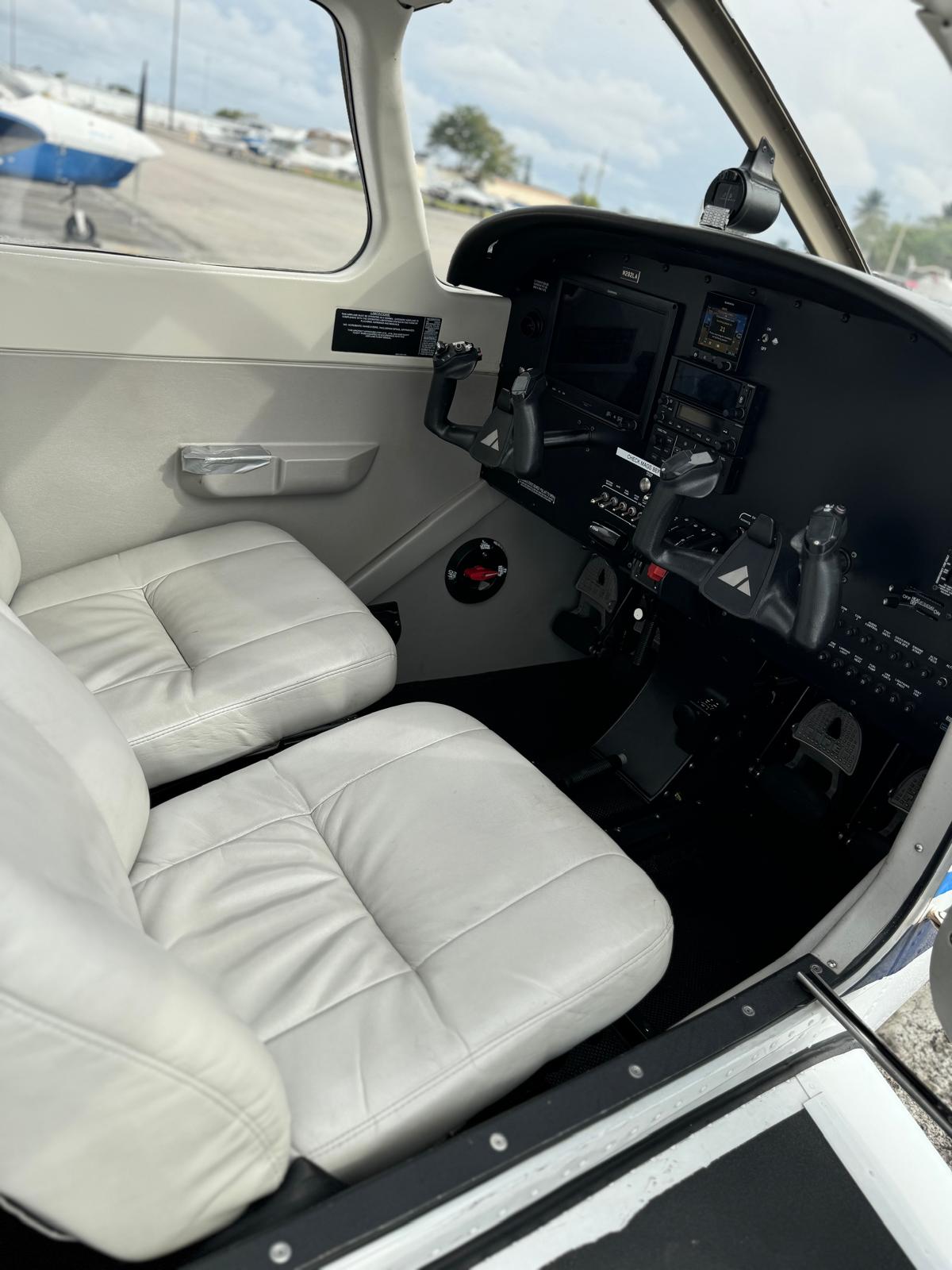
Master South Florida Skies with Multi-Engine Training
Multi-engine rating training is a big step for any pilot who wants to fly faster, higher performance aircraft and move closer to airline or charter flying. A second engine adds power and safety margin, but it also adds workload and new skills you must learn to handle with calm and confidence.
Training in South Florida makes that learning even more powerful. You get year-round flying, busy airspace, and real-world weather that keeps you thinking every minute you are in the cockpit. From our view as a professional flight school operating both in Philadelphia and South Florida, the right structure for your multi training is what turns that environment into an advantage instead of a stress point. In this article, we will walk through how to build that structure, what to expect in training, and how to turn twin time into a clear step toward an airline pathway.
Why South Florida Is Ideal for Multi-Engine Rating Training
South Florida lets you train almost any day of the year, which is a huge help when you want to keep momentum. Warm temperatures, long daylight in the summer, and familiar afternoon thunderstorm patterns give you many chances to fly, while also teaching you how to plan smart.
Here is what makes South Florida stand out for multi-engine rating training:
- Consistent flying weather with fewer long downtime stretches
- Regular convective activity so you practice real go/no-go decisions
- Great light and visibility for coastal and inland training routes
The airspace is just as important as the weather. South Florida is packed with:
- Coastal corridors and shoreline routes
- Class B, C, and D airports within short flying distance
- Congested VFR and IFR paths that feel a lot like airline and charter operations
You will talk with ATC often, handle step-by-step clearances, and fly both visual and instrument procedures. That mix sharpens your radio skills, timing, and situational awareness. Learning to keep a twin under control while also staying ahead of the radio and traffic picture is exactly the kind of practice that prepares you for professional flying later.
Building a Solid Foundation Before You Add a Second Engine
Before adding a second engine, your single-engine skills need to be solid. You should already feel comfortable in the airplane instead of fighting for basic control. That way your mental bandwidth is free for new systems, higher speeds, and engine-out work.
We look for students who already have:
- The required pilot certificates and the right logbook entries for multi training
- Strong takeoff, landing, and pattern skills in a single engine
- Good checklist habits and cockpit organization
- Comfortable radio work in controlled airspace
Instrument skills help a lot, even if you do not yet hold an instrument rating. Being able to hold headings and altitudes, track a course, and fly on gauges without stress gives you a huge advantage when the workload rises in a multi.
At the start, we like to:
- Review your logbook and training history
- Talk about your goals, such as airline, corporate, or personal use
- Fly an evaluation lesson to see how you handle the airplane, airspace, and procedures
From there, we can shape a plan that fits your background instead of forcing a one-size-fits-all syllabus. Some students need more focus on instrument basics, while others need more radio practice or more time on emergency flows. The key is to build up the base so the move into twins feels challenging but never chaotic.
Structuring Your Multi-Engine Syllabus for Real-World Flying
A good multi-engine rating training plan walks you from simple to complex in clear steps. The goal is not just to pass a checkride, but to feel ready to fly a twin in the real world, with real weather and real traffic around you.
We usually think in four main phases.
1. Grounded in systems and performance
You start with learning how the airplane works:
- Engines, fuel, and electrical systems
- Propellers and power management
- Weight, balance, and performance charts
This is where you learn what happens when you lose an engine, how the airplane will react, and what limits you must respect to keep it flying safely.
2. Normal operations
Next, we move to:
- Twin-engine takeoffs and landings
- Pattern work with tighter speeds and higher descent rates
- Climb, cruise, and descent planning at higher performance levels
You get used to managing two throttles, two mixtures, and two prop controls while still hitting your numbers on airspeed and altitude.
3. One-engine inoperative and emergencies
This is the heart of multi-engine rating training. We practice:
- Engine failures on the runway and after liftoff
- In-flight engine shutdown, securing, and restart procedures
- Single-engine climb, cruise, and approach work
In South Florida, we blend this with local conditions. Afternoon storms, sea breezes, and humidity can all affect performance, so we talk about how density altitude and weather shape your decision making.
4. Cross-country and practical operations
After you are steady on maneuvers, we stretch your legs:
- Coastal flights between busy airports
- Inland routes that mix towered and non-towered fields
- Airline-style legs with departure, cruise, and arrival plans
We pull in real weather briefings, radar images, and forecasts. You make route choices, fuel plans, and alternates, then adjust in flight when the weather or traffic picture shifts. South Florida gives you many chances to plan around storms, build in escape plans, and make smart reroutes.
Turning Multi-Engine Skills Into an Airline Pathway
For many pilots, multi-engine rating training is the first real taste of how airline and charter operations feel. Multiple engines, higher speeds, and more structured procedures all push you closer to that world.
Multi time helps you:
- Meet common hiring minimums for multi-engine hours
- Show experience with complex aircraft and higher workload cockpits
- Practice SOP-style flows and callouts that airlines value
South Florida routes often mirror what regional crews see daily. You will work with terminal radar facilities, approach controls, and enroute centers, often under IFR, even on clear days. Learning to flow between different ATC sectors, read back detailed clearances, and keep the airplane ahead of the radios all transfers straight into airline training later.
At Fly Legacy Aviation, we like to think of it as a ladder: discovery flights, private and instrument, then into advanced multi training, then structured time-building and airline pathway support. The idea is to always know what your next step is and how each block of training moves you closer to that cockpit job.
Frequently Asked Questions About Multi-Engine Rating Training
How Long Does Multi-Engine Rating Training Usually Take?
Most dedicated students can complete multi-engine rating training in 1 to 3 weeks, depending on weather, scheduling, and prior experience. Integrated programs may spread the training over a longer period to include cross-country and time-building flights.
Do I Need an Instrument Rating Before Starting Multi-Engine Training?
No, an instrument rating is not strictly required, but it is highly recommended. Having at least strong instrument skills makes multi-engine training smoother and safer, especially in South Florida’s frequently changing weather and high-traffic airspace.
How Many Flight Hours Will I Add During Multi-Engine Training?
The minimum multi-engine aeronautical experience for the rating is relatively small, but most students fly more than the minimum to feel proficient. Training plans can be tailored to your goals so you can build additional multi time beyond the rating checkride.
Is Multi-Engine Training Much More Difficult Than Single Engine?
It is more complex, but not unmanageable with proper preparation. The main differences are higher performance, increased workload, and critical engine-out procedures, and a strong single-engine foundation and structured lessons make the transition manageable and rewarding.
Why Choose South Florida Specifically for Multi-Engine Training?
South Florida offers consistent flying weather, diverse airspace, and real-world operational complexity that mirror airline and charter environments. Training here helps you gain confidence in busy skies, manage seasonal weather like summer thunderstorms, and build experience that transfers directly to professional flying.
Advance Your Aviation Career With Multi-Engine Expertise
If you are ready to fly more capable aircraft and open new professional opportunities, our multi-engine rating training is the next step. At Fly Legacy Aviation, we focus on practical, scenario-based instruction that builds real confidence in the cockpit. Talk with our team today to map out a training plan that fits your goals and schedule. Have questions about enrollment or financing options, or want to schedule a visit? Just contact us and we will help you get started.
