
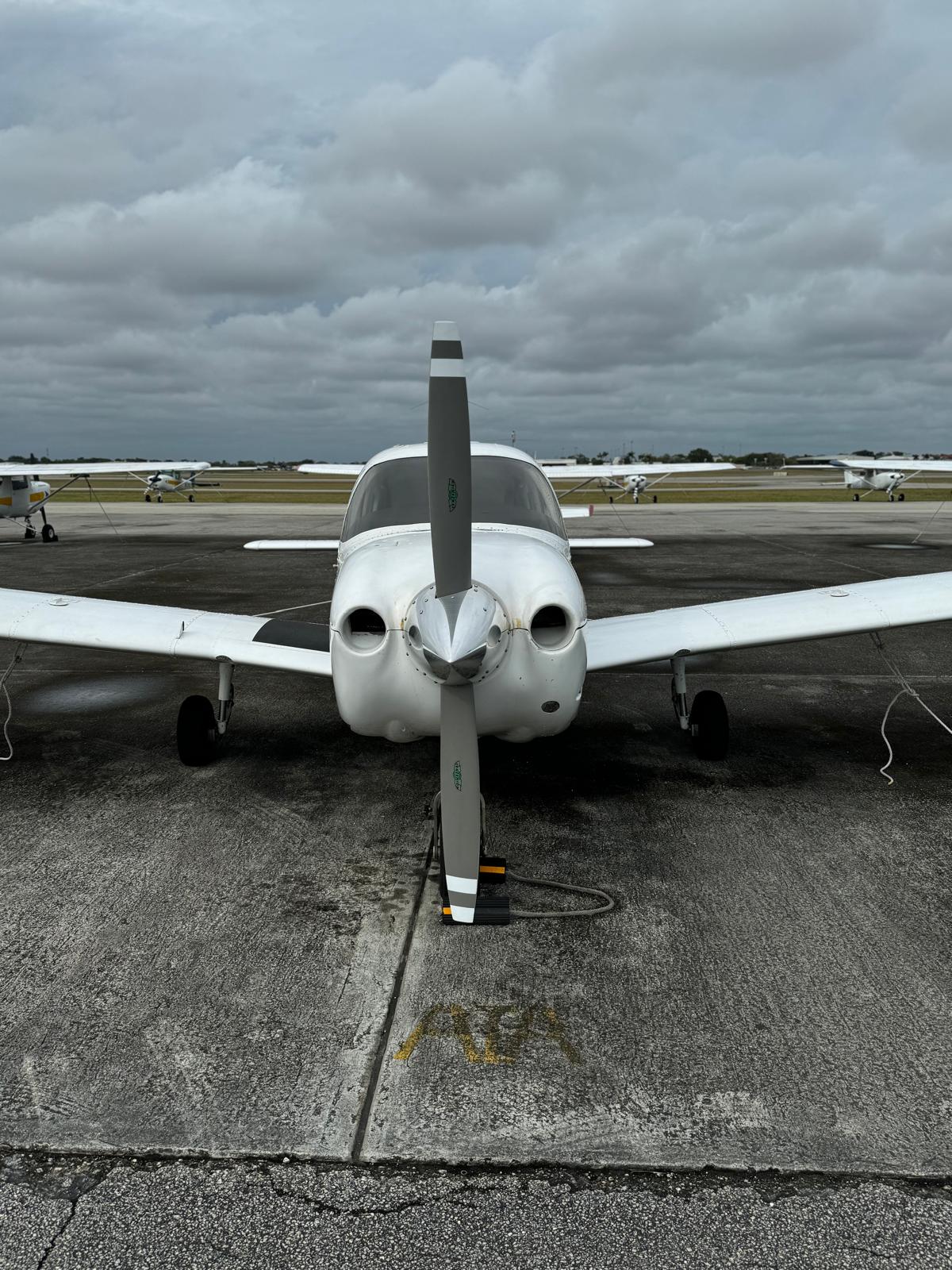
Airline Cadet Path Checklist for South Florida Flight Students
Start Your Airline Cadet Journey with Confidence
An airline cadet path is a clear route from flight student to airline cockpit. It links your flight training to a specific airline’s hiring pipeline, with set milestones and a more predictable path to a First Officer seat. For many South Florida flight students, this is attractive because it brings structure, guidance, and a sense of “this is where I am, and this is what comes next.”
South Florida is a smart place to build that path. The area around Miami and Fort Lauderdale offers busy airspace, consistent flying weather most of the year, and access to major airline operations. You get real-world experience talking to busy controllers, working in complex airspace, and flying often enough to keep skills sharp.
A readiness checklist helps you know exactly when you are truly “cadet ready.” It covers ratings, hour targets, and application timing so you are not guessing when to send that first airline application. With a structured school in South Florida and a clear plan for fall and winter training blocks, you can line up your progress with common hiring cycles instead of scrambling at the last minute.
Map Your Ratings From Zero Time to Instructor
Most airline cadet paths expect a similar rating progression. The order might shift a bit, but the main steps usually look like this:
- Private Pilot License (PPL)
- Instrument Rating (IR)
- Commercial Single-Engine (CSEL)
- Commercial Multi-Engine (CMEL)
- Certified Flight Instructor ratings (CFI, CFII, and often MEI)
Here is what each rating does for you and why it matters to airlines:
- PPL: You learn basic flying skills, airspace rules, and safe decision-making. This is your foundation.
- IR: You fly by instruments in clouds and low visibility. Airlines care a lot about instrument proficiency.
- CSEL: You can fly for hire in single-engine airplanes. This unlocks paid flying opportunities.
- CMEL: You gain experience in multiengine aircraft, which better reflects airline operations.
- CFI/CFII/MEI: You teach others. This builds strong skills, deeper knowledge, and a lot of flight time.
In South Florida, many students use fall and winter to push hard through Instrument and Commercial training. Cooler temperatures and steady weather often mean fewer cancellations and more consistent flying. A focused student might move from fresh PPL to Commercial in several months of steady flying, then add multiengine and instructor ratings soon after.
A structured program helps you avoid long gaps between ratings. Instead of guessing which rating to do next or when to switch airplanes, you follow a set path that lines up with what many airline partners expect: strong instrument skills, recent multiengine time, and instructor experience by the time you apply.
Hour Targets Airlines Expect Before You Apply
Airline cadet programs look at more than just which ratings you hold. They also look closely at your flight time. While every airline is a little different, they often pay attention to:
- Total time
- Cross-country time
- Night time
- Instrument time (actual and simulated)
- Multiengine time
The FAA sets minimums for each rating and for the Airline Transport Pilot (ATP) certificate. Airlines usually prefer that you are not just at the bare minimums. They want to see that you are on track to reach ATP eligibility, which for most pilots is 1,500 total hours. Some pilots can qualify for reduced-hour ATP with certain aviation degrees, but even then, airlines still expect strong skills and a clean record.
Cadet paths often start accepting applications once you hold a Commercial license and are building hours, commonly somewhere in the low hundreds of total time. By that stage, you should have meaningful cross-country and instrument time, along with at least some multiengine experience
Working as a CFI in aviation training in South Florida can speed this up. Regular flying in training-friendly weather and a steady stream of students means you can build time while staying active in the airplane and in the books.
A simple pre-application checklist might look like this:
- Commercial license with Instrument and multiengine ratings
- Total time in at least the low hundreds, with steady growth
- Recent instrument experience, not just old simulator time
- Documented cross-country and night hours that meet or exceed Commercial and ATP minimums
- Clear, accurate, and well-organized logbook entries
Perfect Timing: When to Apply for Cadet Programs
Airlines often plan training classes and budgets around the fall. That means applications that arrive before or during this period may line up better with new-hire classes in the coming months. This is one reason many South Florida students aim to finish Commercial and at least their first instructor rating around late summer or early fall.
To time your application, think backwards from your goal date. If you want to be ready to apply in the fall, you might plan something like:
- Finish PPL and Instrument before or during spring
- Complete Commercial and start multiengine in summer
- Earn CFI and begin instructing by early fall, and submit cadet applications soon after
Before you apply, you should have key documents and milestones in place:
- Current FAA medical certificate, ideally First-Class if you plan an airline career
- All required knowledge tests passed for your current ratings
- Clean FAA record with no unresolved issues
- Professional resume focused on aviation and customer service
- Recommendation letters from instructors or supervisors
- A logbook that has been reviewed for totals, signatures, and accuracy
South Florida’s busy winter flying season can then help you quickly reach higher hour numbers after your application is in. By the time an airline calls for an interview or class date, you may already be much closer to ATP minimums.
Stand Out with Professionalism and Soft Skills
Airlines are not only hiring a set of ratings and hours. They are hiring a future coworker who will share a cockpit for long days and handle pressure calmly. That is where professionalism and soft skills matter.
Good habits that impress airline recruiters include:
- Showing up early and prepared for every lesson
- Keeping up with ground study, not just flying
- Doing thorough preflight and postflight checks
- Practicing strong cockpit resource management with instructors and peers
In aviation training in South Florida, you may fly with many different instructors and students. Use that time to build communication skills and teamwork. Be the person who helps others study, stays safety-minded, and treats everyone with respect.
You can also show leadership and customer focus by:
- Helping mentor newer students
- Taking part in safety or training events when offered
- Documenting times when you solved problems calmly and professionally
As you get closer to applying for a cadet program, prepare for airline-style interviews. Expect:
- Technical questions about systems, aerodynamics, and regulations
- Scenario questions about weather, risk management, and decision-making
- HR questions about teamwork, conflict, and responsibility
- Possible simulator or aptitude evaluations
Practicing clear, calm answers now will help you feel ready when the airline email or call finally comes.
Turn Your Checklist Into a Flight Plan
A checklist is only useful if you turn it into action. Take the items we covered and turn them into a simple personal plan:
- Rating goals with target completion dates
- Hour targets you want to hit by each season
- A window when you plan to send cadet program applications
- A list of documents you need to prepare and keep current
At Fly Legacy Aviation, we train pilots from our South Florida base and understand how to match local flying conditions with structured progress. When you think carefully about your ratings, hour building, and professional image, you give yourself a real edge when the next wave of airline hiring opens.
Frequently Asked Questions
Required Flight Hours for Airline Cadet Program Applications
Many cadet programs accept applications once you hold at least a Commercial license and have around 200 to 300 total hours, as long as you are clearly on track to meet ATP minimums. More recent instrument time and a solid logbook help your application stand out.
Do I Need a College Degree to Join an Airline Cadet Pathway?
A college degree is not always required for cadet programs, although some major airlines may still prefer or require one for certain positions. For many regional pathways, your ratings, hours, safety record, and professionalism matter more than your degree.
Is South Florida a Good Place to Build Flight Time Quickly?
Yes, South Florida is known for consistent flying weather, diverse airspace, and strong training demand. These factors often allow instructors and advanced students to fly more often and build time at a steady pace.
When Should I Get My First-Class Medical for an Airline Career?
It is smart to get a First-Class Medical before investing heavily in advanced ratings or applying to cadet programs. Doing this early confirms that you meet airline medical standards and gives you time to address any issues.
How Long Does It Take to Become Airline-Ready from Zero?
With a focused and structured schedule, many students move from zero time to Commercial, CFI, and cadet-ready status in about 18 to 24 months. Your actual timeline will depend on training pace, weather, and personal availability.
Start Your Flight Training Journey With Confidence Today
If you are ready to turn your passion for flying into real-world skills, our aviation training in South Florida is designed to help you move from interest to accomplishment. At Fly Legacy Aviation, we provide structured courses, experienced instructors, and a supportive environment tailored to your goals. Whether you are just starting out or advancing your certifications, we will work with you to build a clear path forward. Have questions or want to discuss the next step for your training plans? Simply contact us and we will help you get started.
