
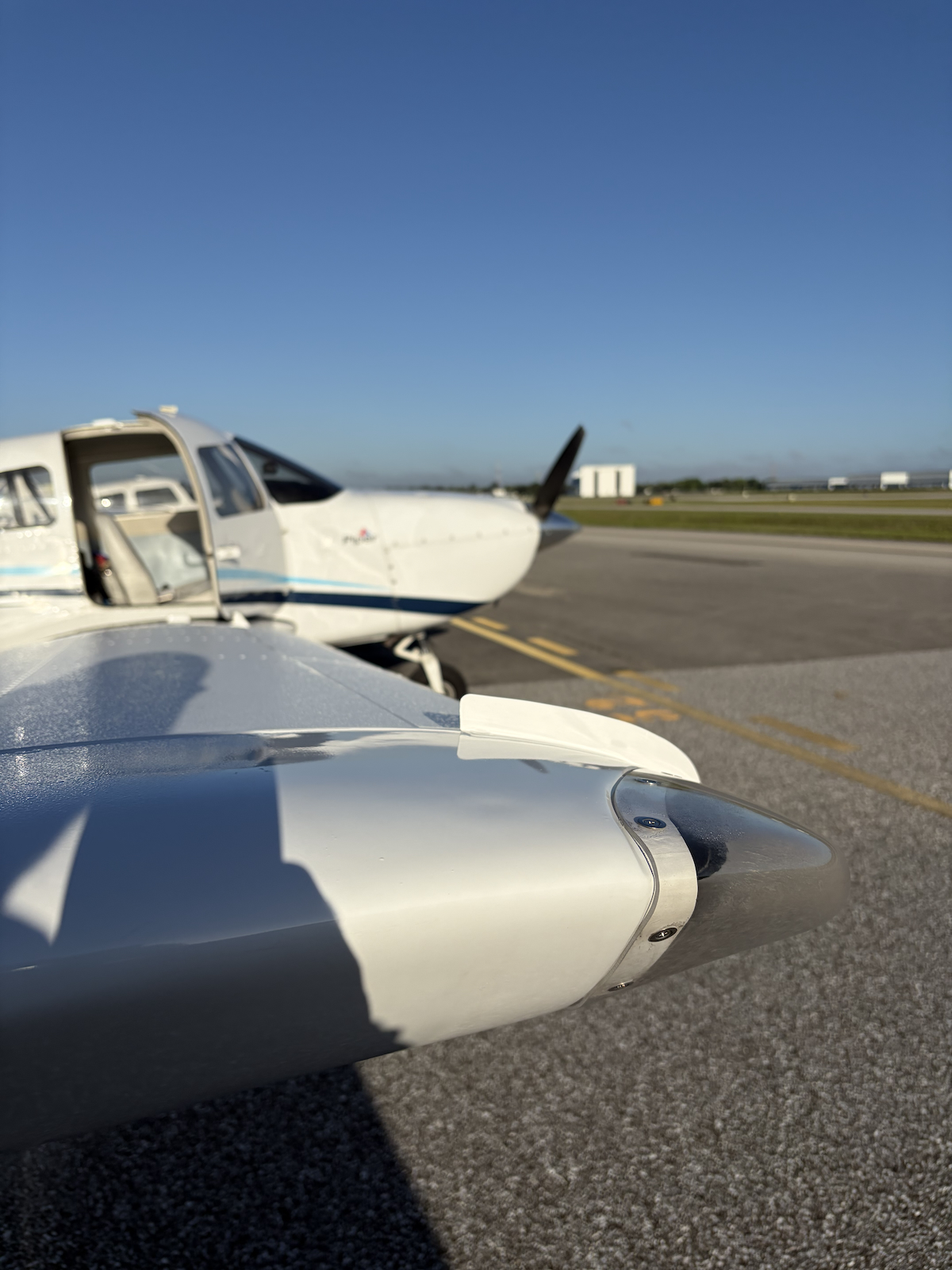
Compare South Florida Flight Schools: Safety, Maintenance, Instructor Turnover
Choosing South Florida Flight Training That Puts Safety First
Starting flight training in South Florida in the fall is smart timing. The days are getting a little shorter, airline hiring cycles are in motion, and if you start now you can be ready for key checkrides by spring. The weather is still warm and flyable most days, so you can build a steady training rhythm.
But glossy photos of palm trees and shiny airplanes can hide real differences between pilot schools in South Florida. Two schools can look similar online and feel very different once you are in the lobby, on the ramp, and in the cockpit. Safety culture, aircraft maintenance, and instructor stability are the pieces that protect you, your training time, and your future career.
By the end of your tours, you should be able to say with confidence which school truly puts safety first. Let’s walk through what to notice and what to ask so you can compare schools side by side, not just guess based on ads or price.
Reading Safety Culture Behind the Marketing
Safety culture is not a poster on the wall, it is how people act when no one is watching. It shows up in the way instructors talk about risk, how students ask questions, and how the school makes decisions when there is pressure to push a flight.
In South Florida, this matters even more because the airspace is busy and the weather can change fast. Afternoons can bring convection and thunderstorms. Coastal winds can shift while you are in the pattern. You want a school that treats all of this with respect, not bravado.
On your tour, ask safety questions that force real answers, not slogans:
- How do you decide when to cancel flights for weather or maintenance issues?
- Can you give a recent example of choosing safety over schedule?
- How are new students introduced to your safety policies and reporting systems?
Listen for:
- Clear, step-by-step processes instead of vague answers
- Stories where flights were delayed or canceled for safety, without blame
- A simple way for students to speak up about concerns without feeling silly
As you walk around, notice if instructors and students talk openly about go/no-go decisions. A strong safety culture feels calm and honest, not rushed or macho.
Inspecting Aircraft and Maintenance You Can Trust
You are not expected to be a mechanic on your first tour. What you can judge is overall care, consistency, and how open the school is about maintenance. A school that treats its airplanes well usually treats its students well too.
Good questions to ask include:
- Who does your maintenance and are they on-site or contracted?
- How often are aircraft down for unscheduled maintenance?
- Can I see a sample logbook entry and how squawks are documented and resolved?
You are not checking every line in the logs. You are looking for:
- Clear, readable entries that match what staff tell you
- A simple, written way for students to report squawks
- Confidence and patience when staff explain the process
Walk the hangar and ramp and just look around:
- Are hangars and work areas clean and organized, or cluttered?
- Do the aircraft interiors look cared for, with working seat belts and clean panels?
- Are avionics reasonably consistent across the fleet so you are not relearning a new setup every lesson?
- When a student mentions a squawk at the desk, do staff respond quickly and take notes?
You want to feel like the airplanes are part of a living system, not just tools to get hours on the meter.
Spotting Instructor Turnover and Experience Red Flags
Your instructor is your main guide, so stability here affects safety, training quality, and what you spend in the long run. When you keep the same instructor, you repeat fewer lessons, follow a clear plan, and build trust in the cockpit.
Right now, airline-track instructors move on as they build time. That can be a good thing if it is organized and students are handed off smoothly. The problem is when instructors come and go without a plan, and students get bounced around to whoever is free.
Ask during your tour:
- What is your average instructor tenure here?
- How many instructor changes can I expect over a typical private or instrument course?
- Do you have full-time, career instructors or only time-builders?
Red flags include answers like “it depends” with no real numbers, or staff who joke about constant changes. Strong signs include:
- A mix of career instructors and airline-track CFIs
- A training manager or lead CFI who reviews progress
- Regular standardization flights or meetings where instructors align on how they teach
Watch how instructors interact with each other. Do they talk about lesson plans, debriefs, and student progress, or only about building hours?
Comparing Pilot Schools in South Florida Side by Side
Once you have visited a couple of pilot schools in South Florida, it helps to score them in a simple way instead of relying on memory alone. A basic checklist keeps emotions from taking over the decision.
Create three main columns:
- Safety culture
- Maintenance standards
- Instructor stability
Under each, add a few items you can rate from 1 to 5 after each tour, such as:
- Written safety programs and clear go/no-go rules
- Regular, formal safety meetings for staff and students
- Age and variety of aircraft and how well they match your training goals
- On-site vs outsourced maintenance and how open they are with records
- Mix of airline-track and career instructors and average stay at the school
Plan to visit at least two or three schools within the same week. That way your first impressions are fresh and easier to compare. Pay attention to how openly staff answer your tougher questions, how the ramp feels, and whether students look engaged and supported.
Turning Your School Tour Into a Confident Yes
A good tour is more than a quick walk around the ramp. It is your chance to see how a school really works when you start asking deeper questions.
Use a simple script to guide yourself:
- At the front desk: Ask how they handle weather decisions and schedule changes. Notice how they talk about student responsibilities too.
- With the chief instructor or training leader: Ask about instructor turnover, average completion times, and how they monitor training quality.
- On the ramp and in classrooms: Look for safety briefings, headset use, respectful debriefs, and how often people refer to checklists and written procedures.
By the time you leave, you should know how that school thinks about safety, treats its airplanes, and supports its instructors. When you visit Fly Legacy Aviation in South Florida, you can use the same questions and checklist to see our safety culture, training aircraft, and professional instructors in real operations.
FAQ
When to Book Pilot School Tours in South Florida for Fall Start?
Plan to book tours at least 4 to 6 weeks before you want to start training, especially in the fall when many students begin programs after summer. This gives you time to visit multiple schools, review options, and secure a spot that fits your schedule.
What Documents Should I Bring When Touring a Flight School?
Bring a government-issued photo ID, any previous training records or logbooks if you have them, a written list of questions, and something to take notes with. If you wear prescription glasses or contacts, bring those so you can check cockpit comfort and visibility.
How Many Schools Should I Visit Before Choosing One?
Most future pilots benefit from visiting at least two or three pilot schools in South Florida. Touring several options close together makes it easier to see differences in safety culture, aircraft condition, and instructor engagement.
Is Newer Aircraft Always Safer Than Older Aircraft?
Not always. Well-cared-for older aircraft can be just as safe as newer ones. The key is consistent, documented maintenance, fast response to squawks, and smart upgrades like reliable avionics and weather tools.
How to Tell If a Flight School Rushes Training Over Safety?
Be careful if you hear promises that sound too fast or too easy. Ask for average times to completion and listen for talk about judgment and skill, not just minimum hours. A quality school will focus on making you a solid, safe pilot, not just checking boxes.
Launch Your South Florida Flight Training Journey With Confidence
If you are comparing pilot schools in South Florida, we would be honored to help you map out a clear path from your first lesson to your license. At Fly Legacy Aviation, we take time to understand your goals so we can recommend the right course structure, schedule, and training aircraft for you. Reach out today through our contact page so we can answer your questions and get you ready for your first flight.
