
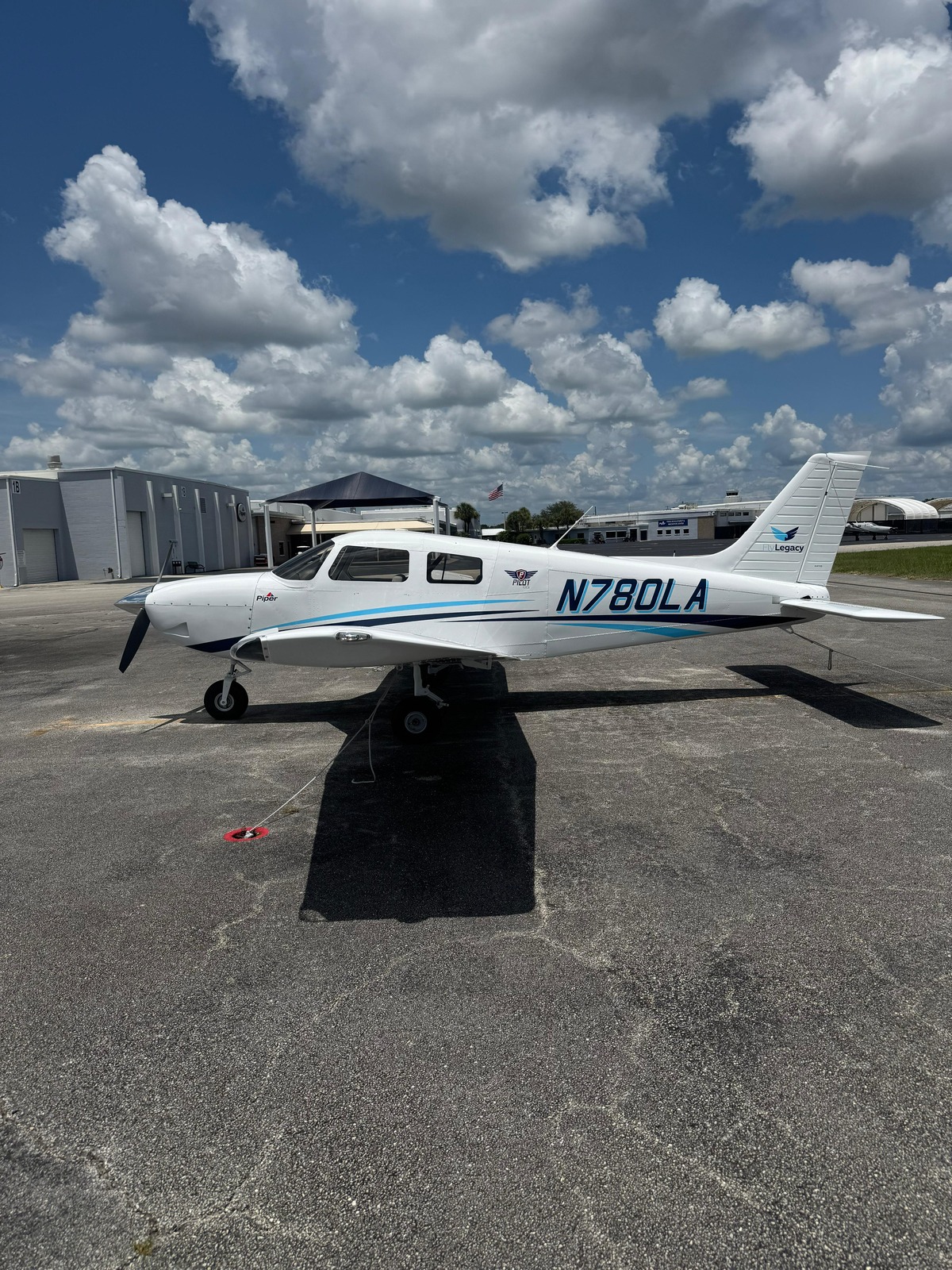
Flight Lesson Costs in Boca Raton: BCT vs PBI vs FLL Budget Factors
Unlock Realistic Flight Lesson Costs in Boca Raton
Flight lessons cost in Boca Raton can feel confusing at first. You see one number in an ad, then your first few invoices look very different. That gap usually comes from little details that no one explains in a simple way at the start.
One of the biggest details is where you fly. Training out of Boca Raton Airport (BCT), Palm Beach International (PBI), or Fort Lauderdale, Hollywood (FLL) can quietly add or subtract a lot of money over the full course of your training. Each airport has its own fees, traffic patterns, and timing issues that change how much of every paid hour you actually spend in the air.
Our goal is to help you understand those airport-specific factors before you commit. We will walk through fees, aircraft availability, instructor rates, and how South Florida weather and traffic, especially during the busy fall and winter season, can affect how long your lessons really take.
How Airport Choice Impacts Your Training Budget
Flight training costs are built from a few main pieces. No matter where you fly, you usually pay for:
- Aircraft rental by the hour
- Instructor time in the air
- Ground instruction before and after flights
- Exam and checkride fees as you reach milestones
Airport type plays a big role in how these pieces add up. A general aviation airport like BCT is mainly used by training aircraft and private flights. Large commercial fields like PBI and FLL focus on airline traffic. That difference changes:
- Landing and ramp fees that may be charged per flight
- Minimum charges for using certain ramps or facilities
- Fuel prices that can push hourly rates up
The training environment matters too. At a quieter general aviation field, you often:
- Taxi shorter distances
- Wait less for takeoff
- Spend more of your paid hour actually doing maneuvers
At a busy commercial airport, you may spend longer taxiing, waiting in line behind airline departures, or holding short of the runway while airliners land. On paper the hourly rate might look similar, but if 15 or 20 minutes of that hour is spent waiting, your total cost to finish can grow quickly.
Boca Raton Airport: Local Convenience, Hidden Cost Factors
Boca Raton Airport is a popular choice for local students. It is close to many neighborhoods, has an active general aviation community, and offers fairly quick access to practice areas over the water or inland. For many new pilots, that convenience makes it much easier to stick with training.
There are still cost drivers to understand:
- Possible ramp or facility fees depending on where the aircraft is parked
- Differences between hangar storage and outdoor tie-downs that affect availability
- Fuel pricing trends that influence rental rates
- Seasonal traffic, especially from October through spring holidays, that can slow things down
During peak season, more visiting aircraft and business flights can mean longer taxi lines and more time holding short of the runway. That does not just affect your patience, it affects how many takeoffs, landings, and maneuvers you can fit into a lesson.
Lesson timing also matters at BCT. In South Florida, many instructors plan around:
- Early morning slots to avoid afternoon thunderstorms
- Late afternoon or early evening flights once storms have moved through
- Midday gaps when heat and storm risk are highest
With smart scheduling, dispatch that has aircraft ready, and instructors who brief efficiently, a school can keep your paid “idle time” low. That means more of each lesson is spent flying instead of sitting with the engine running while watching weather build or traffic stack up.
PBI and FLL: Airline Airports and Your Lesson Costs
Training at large commercial airports like PBI or FLL has its own set of pros and cons. On the plus side, you get:
- A very professional air traffic control environment
- Constant exposure to airline-style radio calls
- A feel for complex airspace that can help later in an airline career
The tradeoff is that these fields are built around airline schedules. Commercial traffic usually gets priority. For a student, that can lead to:
- Longer taxi routes out to the runway and back
- More time waiting in departure queues
- Possible holds on the ground or in the air while airliners arrive and depart
All of that time is still part of the paid hour. If you spend a large portion of each lesson waiting to take off or land, you may need more total hours to reach the same skill level you could reach faster at a general aviation field.
There are also more layers to using these airports. Depending on where the training aircraft are based, you may see:
- Landing or handling fees
- Security procedures and access rules
- Specific ramp areas that require coordination
For brand-new private pilot students, the added cost and time often do not make sense. For more advanced students who are already comfortable in the airplane and focused on airline careers, training at a commercial airport can be a useful step, especially once the basics are solid.
Aircraft, Instructors, and Scheduling in South Florida
Your choice of airport also connects to the aircraft and instructors you fly with. Different fields may have different types of fleets, such as:
- Modern glass-cockpit trainers
- Older analog-panel aircraft
- Single-engine trainers for early licenses
- Multi-engine aircraft for advanced ratings
Newer aircraft with modern avionics sometimes cost more per hour but can offer better long-term value if they help you build the right skills for airline-style flying. Older aircraft might have a lower hourly rate but may not match your long-term goals as closely.
Instructor rates vary too. You might see:
- Senior instructors focused on airline-track training
- Part-time CFIs with limited availability
- Structured teams of instructors who follow a set syllabus
Continuity matters. When you train with instructors who use the same approach and know your progress well, you spend less time repeating lessons. That can help lower your total training hours, even if the hourly rate is similar to other places.
South Florida scheduling is its own puzzle. During fall and winter, local students mix with visitors who come down during school breaks or holidays. At the same time, we see:
- Afternoon thunderstorms on many days
- Shorter daylight in the late fall and winter months
- Peak morning and late-afternoon time slots that fill fast
Students who plan ahead, choose consistent lesson times, and work with a school that manages weather windows carefully usually see smoother progress and fewer cancellations. That steady rhythm helps control your total flight lessons cost in Boca Raton and nearby airports, without cutting corners on training quality.
Frequently Asked Questions About Flight Lessons Cost in Boca Raton
How Much Do Flight Lessons Typically Cost in Boca Raton?
Most students can expect total costs for a private pilot license to reach into the tens of thousands of dollars by the time they finish, but the exact amount depends on aircraft type, instructor rates, airport choice, how often they fly, and how quickly they pick up each skill.
Is Boca Raton Airport Cheaper Than PBI or FLL for Training?
Boca Raton Airport is often more efficient for beginners because there is usually less commercial traffic waiting ahead of training aircraft, which can lead to more flying and less sitting each lesson, though final costs still depend on the school, fleet, and how lessons are structured.
How Do Airport Fees Show Up on My Flight Training Bill?
Airport-related costs may appear as separate line items like landing, ramp, or facility fees, or they may be built into the hourly aircraft rate along with any security or access charges, and a clear school should explain how those fees are handled.
Does Training at a Major Airline Airport Help My Career?
Training at a busy commercial field like PBI or FLL can build strong radio skills and confidence around airline operations, which is helpful for future airline pilots, but many students start at a less congested airport for efficiency and move to larger airports later as they progress.
Can I Reduce My Total Flight Training Cost Without Cutting Quality?
You can often lower your total cost by flying on a regular schedule, preparing well for each lesson, choosing an efficient airport environment, and working with experienced instructors who follow a structured plan that keeps wasted time in the aircraft to a minimum.
Start Your Flight Training Journey With Confidence
Understanding flight lessons cost in Boca Raton is the first step to planning training that fits your goals and budget. At Fly Legacy Aviation, we walk you through your options so you can choose the right course structure, schedule, and investment level. If you are ready to talk details or schedule a visit, simply contact us and we will help you map out your path to the cockpit.
