
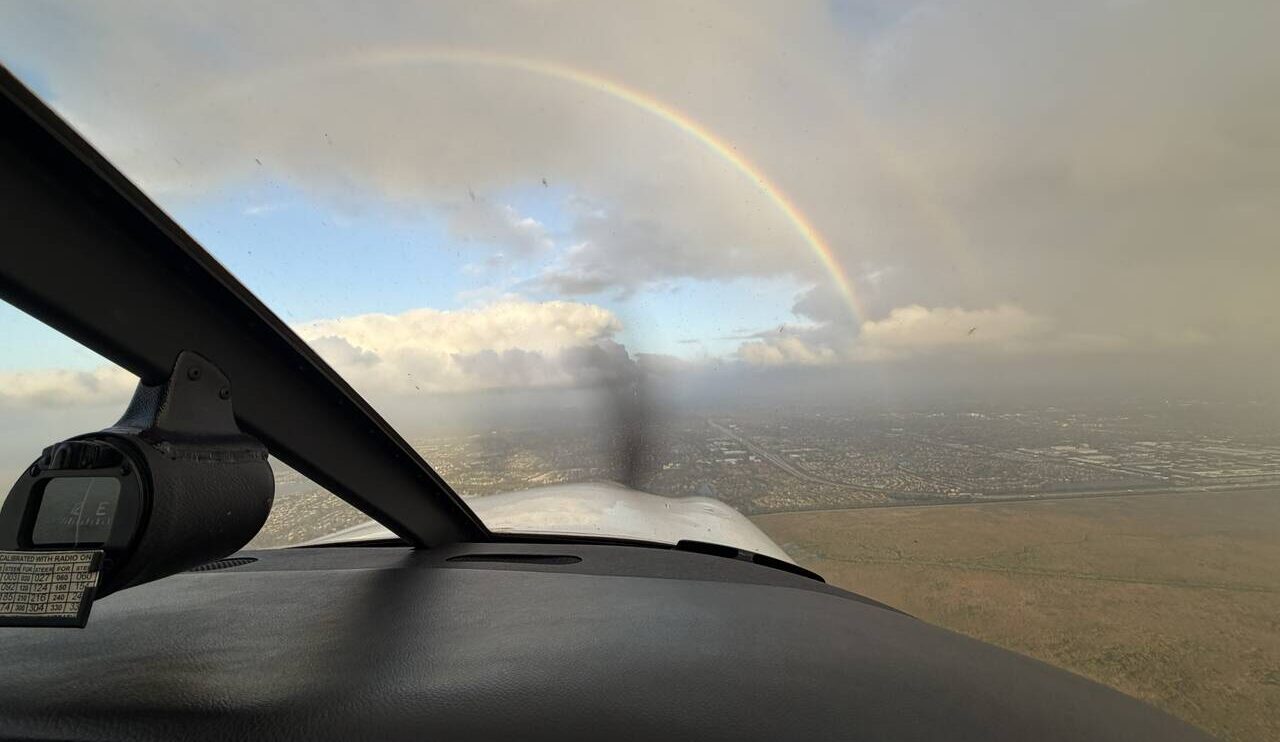
Tips for Planning IFR Flights Around Florida’s Afternoon Showers
Flying IFR in Florida during spring means having thunderstorms on your radar. Around Pompano Beach, weather shifts quickly. For pilots working toward ratings or building twin-engine time, these seasonal patterns become integral to flight planning.
Multi-engine flying offers more power and control but requires careful planning when coastal pop-up showers appear. Timing is essential, something often discussed during prep at FAA testing centers.
At Fly Legacy Aviation’s Florida campus at North Perry Airport in Pembroke Pines, where we operate as a designated PSI Testing Center, written test prep and IFR planning occur together to ensure readiness before takeoff. Here’s how we plan IFR trips in Florida to stay ahead of spring and summer storms.
Watch the Radar Patterns Before You File
One of the first IFR habits is analyzing typical weather patterns. In Pompano Beach, afternoon rain is common, and coastal storms can emerge quickly after warm mornings. Although these pop-up thunderstorms follow a loose pattern, they remain unpredictable.
Before filing a flight plan, we check short-term radar trends and regional weather maps. Forecast models and apps serve as tools; we review conditions the night before and again in the morning, adjusting our plan if early storms appear. Three key points guide us:
- When cells began forming inland recently
- How long they persisted
- Their direction and speed from the coast
This quick review sharpens our choice of departure windows and routes.
Use Departure Times to Your Advantage
When possible, an earlier launch is best; skies are generally calmer before the afternoon heat spurs rainclouds. A departure between mid-morning and early afternoon maximizes the chance to complete a leg before the weather worsens. If schedules are tight, we plan backup routes with our instructor or flight partner by choosing routes near diversion airports and filing alternates that avoid convective build-up. This flexibility keeps the flight smooth and stress-free.
Adjust Altitudes for Ride Quality and Avoidance
Choosing the right cruise altitude is key to ensuring a smooth ride and avoiding turbulence. In multi-engine aircraft, maintaining performance while adjusting altitude helps steer clear of building clouds and rough air. Before each IFR flight, we communicate clearly with ATC and review optimal altitudes for calm versus stormy conditions, ensuring we can safely request changes. This planning helps preserve a smooth flight despite shifting weather.
Practice Scenarios at Local Testing and Training Centers
Practicing IFR scenarios at FAA testing centers sharpens our ability to detect risks early. In Pompano Beach, reviewing training files that mirror local weather and airport layouts focuses our preparation. Pilots undergo computerized FAA written exams on site while running through IFR scenario drills with instructors. Key practices include:
- Reading NOTAMs carefully
- Catching route deviations before they snowball
- Recognizing which nearby airports remain drier
This routine embeds effective decision-making into our flight planning.
Smooth Out Transitions and Approaches
Transitions during descent are critical, especially as thunderstorms intensify and airport runways change. A brief recheck, confirming the active approach, current airport conditions, and alternate options, ensures a smoother transition. This proactive measure helps us quickly adjust for rain, visibility drops, and gusty winds during the final phase of the flight.
Staying Ahead Makes the Flight Smoother
Spring flying in Florida is lively and unpredictable. For pilots flying multi-engine IFR, early planning, flexible routing, and ingrained habits to anticipate weather changes lead to smoother flights. Familiarity with local procedures, such as those taught at FAA testing centers, strengthens our decision-making. Consistent pre-flight planning and practice empower us to remain ahead of changing conditions and maintain safety even under challenging weather.
For pilots preparing for multi-engine flights out of Pompano Beach, getting familiar with local procedures through FAA testing centers helps shape solid in-air habits early on. These centers build weather decision-making skills that last beyond training. Reviewing approach options, running seasonal drills, and planning practical alternates make it easier to stay ahead. At Fly Legacy Aviation, this groundwork helps pilots remain sharp in Florida’s fast-changing skies. Give us a call to learn more.
