
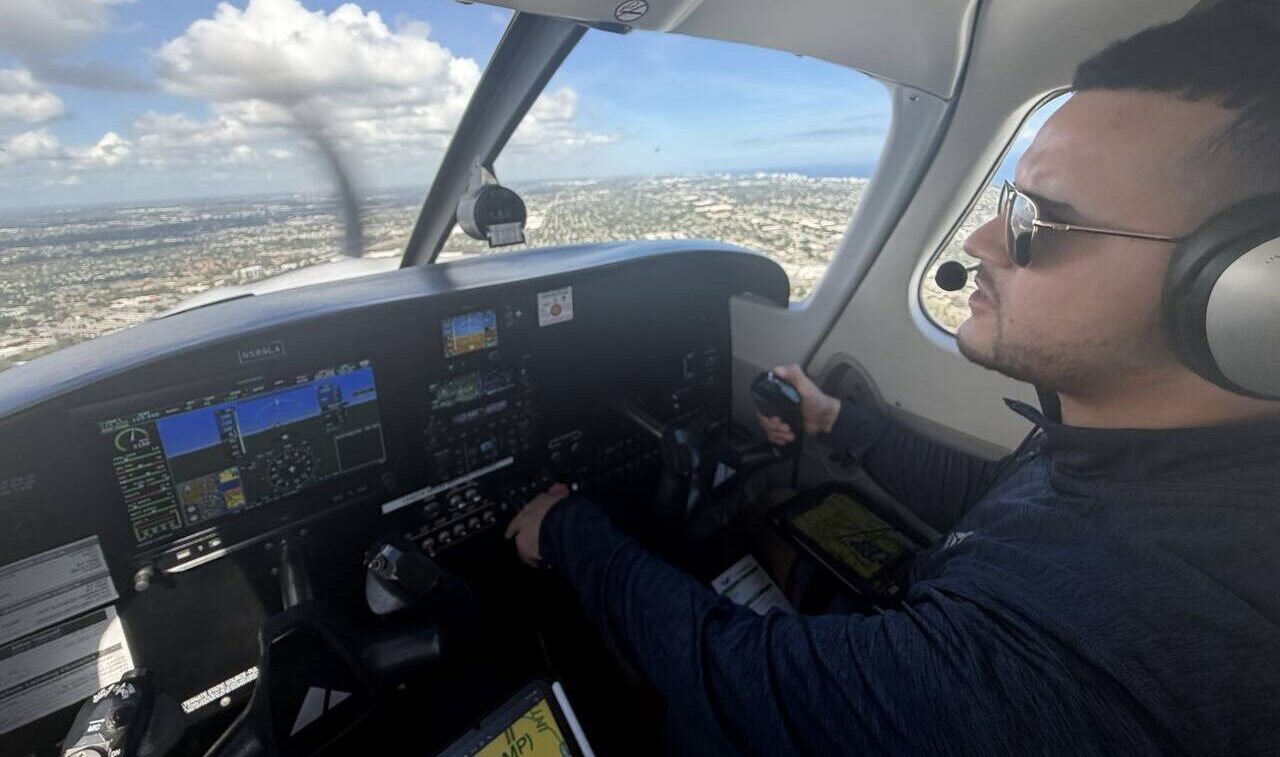
How to Avoid Overcontrolling During Twin Engine Taxis in Philly
Taxiing a twin engine aircraft feels different the first few times you do it. The power, the weight, and the way it responds to your inputs can take some getting used to. Things that feel natural in a single engine trainer might not work the same way in a multi engine setup. Add that to the tight turns and active ramp at Northeast Philadelphia Airport, and small mistakes can snowball quicker than expected.
Overcontrolling is one of the biggest things we work to avoid, especially on the ground. Sometimes it’s nerves. Other times, it’s rushing to stay on schedule or keep up with other traffic. And when you’re still building confidence in managing both engines, it’s easy to add more inputs than you need. That’s why we focus on keeping each taxi leg smooth and under control.
Getting extra seat time with multi engine aircraft rental gives us the chance to build those subtle habits before they matter in high-pressure moments. At Fly Legacy Aviation, that practice often happens in the Diamond DA42 and our fleet of new Piper aircraft, which are used for both training and rental at Northeast Philadelphia Airport.
Staying Smooth on the Rudder Pedals
A lot of overcontrol happens right at your feet. If you’re new to twin engines, it’s easy to press harder than needed on the pedals, especially when trying to make a sharp turn or line up quickly with a taxiway. Too much pressure, and the aircraft may swerve or swing more than expected. Even small jolts on the pedals can change your direction fast, which isn’t much fun when other planes are around.
We always talk about using light feet. During low-speed taxi, pressing gently gives us more control. Braking aggressively or trying to steer through force often leads to uneven movements. That’s where most taxi mistakes begin, especially on tight ramps or near hold short lines. Some new pilots do this without realizing it, often just trying to stay alert or chase the centerline.
One way we help manage this is by making each turn with a quick mental check. Are we balanced? Are we pushing too much? It’s a simple habit, but it helps keep motion steady and prevents the aircraft from jerking unexpectedly on the ground.
Watching Power Balance Between Engines
With two engines to manage, it’s tempting to control them the same way you would one, by feel or guess. But twin engine planes don’t respond the same way. A small change in power on one side can affect your heading right away. Push one throttle a little more than the other, and the whole aircraft may start to twist.
This is where awareness makes a big difference. At slow speeds, especially during turns or when leaving a parking spot, torque plays a bigger role than you’d expect. Prop wash and slight differences in RPM can cause unexpected swings if you’re not mindful.
A few things we watch for when balancing power include:
- Checking throttle position visually before adjusting
- Matching RPMs by sound and screen, not feel
- Adding power slowly when starting to move
Taxiing in cooler spring mornings in Philadelphia often brings light winds, so even a gentle breeze can push the aircraft if the engine balance is off. By noticing and correcting early, we stay in control instead of reacting late.
Reading the Ramp and Staying Ahead
The ramp at Northeast Philadelphia, Pennsylvania, gets active, especially on weekdays with multiple lessons running. Some days you’ll see student solos, instructor flights, maintenance moves, and incoming transients, often all at once. Trying to move quickly without looking ahead just doesn’t work.
We spend time before taxi scanning the whole ramp. Where are the moving aircraft? Which direction are others turning? Has anyone started up nearby? This helps us avoid sudden corrections made in panic.
Once moving, we try to think at least one or two steps ahead. If we know a left turn is coming, our speed drops early. When we expect a hold short or a tighter space, we prep for a controlled stop. Talking out loud with an instructor or partner helps too. It keeps the mind synced with the plane’s position and makes it easier to respond without rushing.
Here’s how we slow things down while staying sharp:
- Take a full second to pause before each taxi segment
- Scan 180 degrees ahead and behind during turns
- Keep speeds low unless cleared into an open path
Taxiing isn’t a race. Smooth, predictable movements show more skill than quick lane changes or heavy footwork.
Practicing in a Familiar Environment
When learning to manage twin engine taxis, nothing helps more than time behind the controls. Using multi engine aircraft rental is one way we give ourselves more space to practice, especially on days without full flight lessons.
Taxiing in a familiar spot like Philadelphia, Pennsylvania, helps for a few reasons. First, we already know the surfaces, where the bumps are, where the run-ups happen, and how the tower moves traffic. Second, there’s less mental load. We aren’t figuring out a new airport and a complex plane all at once. That frees up focus for small details like steering angle, throttle touch, and foot pressure. Because Fly Legacy Aviation trains under both FAR Part 141 and Part 61, students can integrate this extra taxi practice into a structured path toward multi engine ratings and checkrides.
Flying from the same airport doesn’t mean it gets boring. What it gives us is rhythm. Each trip tends to show something new, but within frames, we already understand. That’s why repeating ground movements in a known setting helps build the calm, steady mind that avoids overcontrol before it happens.
Mastering the Ground Game Before You Take Off
Most overcontrolling doesn’t come from lack of skill. It starts from tension. Once we feel behind or unsure, we tend to react too strongly. That can make things worse. But when we set the tone early and stay calm foot by foot, we do better.
It’s not about having perfect hands or ideal technique. It’s about slowing down, practicing in the right places, and staying aware of what the plane is doing at every moment. Twin engine taxiing at Northeast Philadelphia, Pennsylvania, isn’t easy on day one, but with steady training, it becomes just another part of the flight that we’re ready to handle.
Developing your twin engine skills in Philadelphia, Pennsylvania, is easier when you have the right environment to practice. We understand the focus required to manage both engines, especially during tight turns and busy ramp operations.
Spending extra time on ground handling can make all the difference before your next checkride or cross-country. Our multi engine aircraft rental options help you build comfort and confidence at your own pace. Contact Fly Legacy Aviation today to schedule your next flight.
