
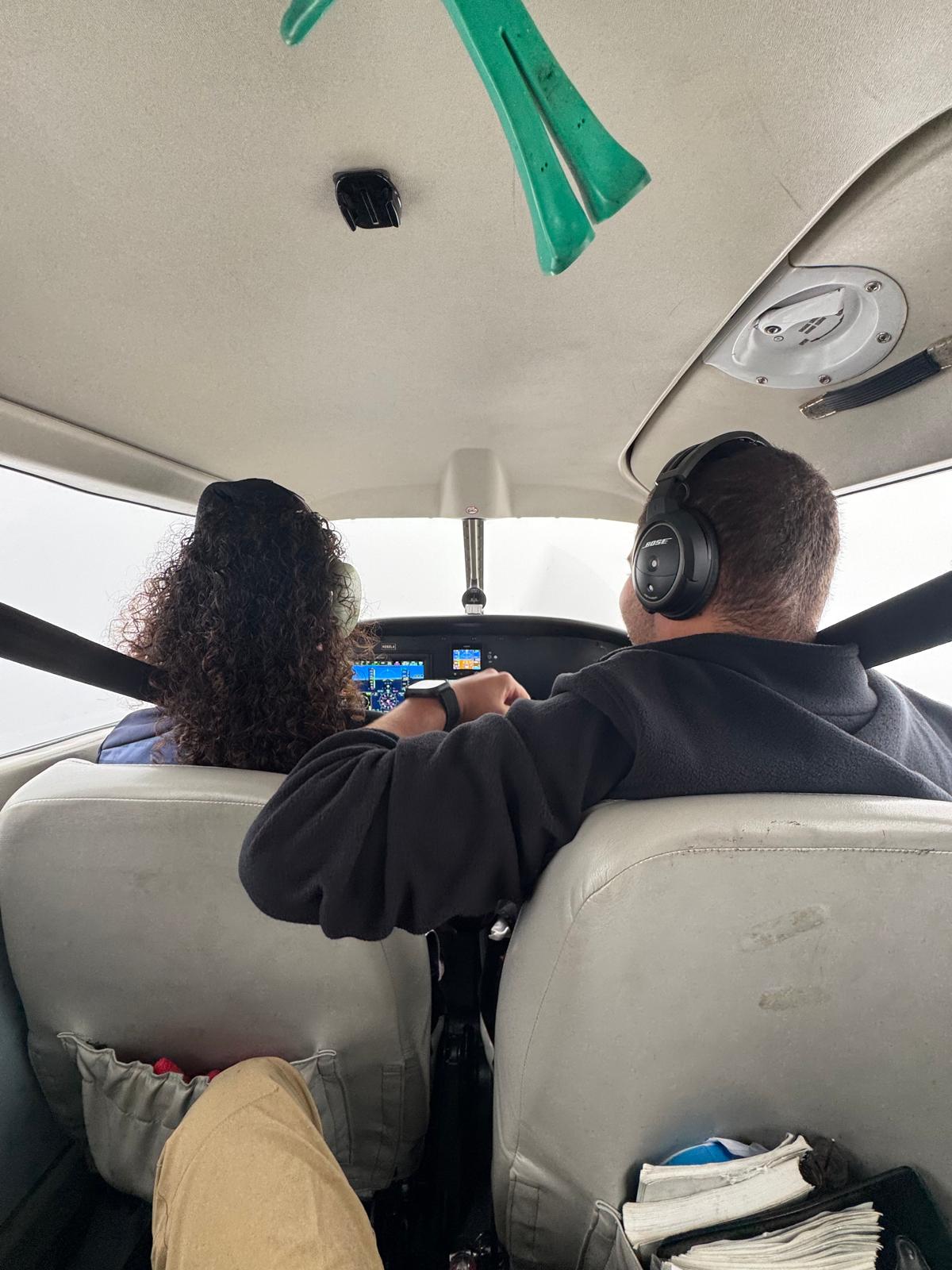
Choosing Pilot Training Programs in South Florida’s Busy Skies
Launch Your Aviation Career in South Florida’s Skies
Choosing between pilot training programs is a big decision, and where you train can shape the way you fly for the rest of your life. South Florida gives student pilots something special: active airspace, a lot of sunshine, and real-world flying from day one. When you mix that with the right school, busy skies become your classroom, not something to fear.
Here, we will walk through why South Florida is such a strong training area, how to compare programs, what to look for in aircraft and technology, and how to match a training path to your long-term goals. By the end, you will have a clear idea of how to choose a program that fits your pace, your plans, and your future as a professional pilot.
Why South Florida Is a Hotspot for Pilot Training
South Florida is known for generally good flying weather and long days, especially around late June and through the summer. More flyable days mean you can keep lessons close together. When you are in the airplane several times each week, you remember more, build confidence faster, and avoid long gaps that slow your progress.
A key strength of this region is its airspace. Around Miami and across South Florida, you will find:
- Busy Class B airspace
- Surrounding Class C and Class D airports
- Plenty of general aviation fields with a mix of training and real-world traffic
Training in this kind of environment teaches you to stay ahead of the airplane. You get used to:
- Clear and quick radio calls
- Working with air traffic control in different airspace types
- Watching for traffic while managing checklists and procedures
That experience translates well when you move into airline or corporate operations, where tight communication and high traffic are normal.
South Florida also has an active aviation job scene. Regional airlines, charter companies, cargo operators, and corporate flight departments all work in and out of this area. When you train nearby, you start to understand local procedures, typical routes, and how different operators work. It is a natural setting to build early professional relationships and learn what kinds of flying careers appeal to you.
How to Compare South Florida Pilot Training Programs
Not all pilot training programs are built the same. One of the first things to check is how the curriculum is structured. Some schools offer modular training, where you earn each rating step by step: private pilot, then instrument, then commercial, and so on. Others design more structured, career-focused paths that bundle ratings and planned time-building into one clear roadmap.
As you compare, look for:
- A written syllabus for each course
- Clear milestones and stage checks
- Options tied to airline cadet or university partner programs
Instructor quality affects everything. You want CFIs who care about teaching, use consistent methods, and hold students to high standards. When you visit a school, it helps to ask:
- How are instructors trained and standardized?
- How often do you hold safety briefings?
- Who oversees maintenance and safety policies?
Safety culture shows in the small details, like how preflight briefings are done, how weather is evaluated, and how aircraft issues are handled.
The training environment matters too. A busy but well-organized school often means better scheduling, more active dispatch, and realistic experience sharing airspace and runways with other students. Support services can make a big difference over a long program. Strong signs include:
- Ground school options that match your learning style
- Written exam prep support
- Mentoring from more advanced students or instructors
- Career counseling as you approach commercial and CFI levels
Fleet, Technology, and Multi-Engine Training That Matter
When you look at a school’s fleet, age is not the only thing to think about. Many proven training aircraft are older but carefully cared for. What matters most is:
- A steady maintenance program
- Clean logbooks and records
- Consistent types across the fleet so you do not keep relearning new layouts
Cessna and Piper trainers are common in flight schools, and for good reason. They are well known in the industry and give you a solid base that employers recognize.
If you want to fly for hire, multi-engine training is a key part of your growth. Time in a multi-engine airplane helps you:
- Handle higher performance
- Practice engine-out procedures
- Prepare for charter, cargo, and airline aircraft that use multiple engines
An integrated path that moves you through private, instrument, commercial, multi-engine, and instructor ratings keeps your learning connected. Skills from one course feed right into the next, instead of feeling like separate projects.
Modern training tools can also speed up your progress. Quality simulators, EFBs with current charts, and organized dispatch systems help you prepare on the ground so you can use flight time more effectively. Practicing busy South Florida airspace, complex approaches, and emergencies in a simulator first lets you build muscle memory and reduce stress when you face the same scenarios in the real aircraft.
Aligning Training with Professional and Academic Goals
If you are dreaming of an airline cockpit, structured airline cadet paths can be very helpful. These programs usually give you:
- A clear route from zero time to “airline ready”
- Defined performance standards
- Mentoring from pilots who have already moved into professional roles
Training in busy South Florida airspace supports this goal because you arrive at your first airline job already used to fast-paced radio work and tight traffic patterns.
Some students want both a degree and flight credentials. University partnership programs link academic study with flight training so you can build hours while you work on a degree that supports long-term flexibility, whether you stay in the cockpit or move into other roles later. Benefits can include academic advising, access to financial aid through the school, and a structured schedule that lines up classes and flights.
You also need a plan that fits your life. Ask yourself:
- Do I want full-time, accelerated training or a slower pace?
- How will I balance work, family, and lessons?
- What timeline makes sense from private through commercial and CFI?
Starting in mid-summer, when days are long and the weather is generally favorable, can help you stack a lot of training in your first few months. From there, you can roll into cooler seasons with a strong base of skills already in place.
Why Fly Legacy Aviation Stands Out in South Florida
At Fly Legacy Aviation, we focus on a clear path from first flight to professional pilot. Our programs cover the full range of training, including private, instrument, commercial, multi-engine, and instructor ratings, with structured steps between each stage. When students begin around late June or in summer, they often build strong momentum with frequent flights and steady progress from one course to the next.
We are based in both South Florida and the Philadelphia area, which gives our students a unique training mix. You can log time in South Florida’s active airspace and warm-weather operations, then experience different weather patterns and traffic flows in the Northeast. Some students start here in the South, then spend time up north to broaden their comfort zone, or do the opposite depending on their schedules and goals.
Our airline cadet paths and university partnership options are designed for students who want more than just a license. We put a strong focus on safety habits, structured teaching, and ongoing mentoring so you are not just learning to pass checkrides; you are building habits you will carry into your first flying job and beyond.
Frequently Asked Questions About South Florida Pilot Training Programs
How Long Does It Take to Complete Pilot Training in South Florida?
Most students earn a private pilot certificate in about 3 to 6 months with steady flying, then add instrument, commercial, and multi-engine ratings over roughly 12 to 18 months. A full-time, career-focused program can sometimes take a motivated student from zero time to commercial pilot in about a year, depending on weather, scheduling, and personal pace.
Are Busy South Florida Skies Too Challenging for New Student Pilots?
Busy skies can feel intense at first, but with experienced instructors and a clear syllabus, new pilots adapt quickly. The extra radio work and traffic management actually become a big advantage later when you move into charter or airline flying.
What Should I Look for in the Aircraft Fleet at a Flight School?
Look for well-kept airplanes with strong maintenance records and a consistent mix of single-engine trainers and multi-engine aircraft. A school that has easy access to maintenance and clear safety practices for its fleet is usually putting training quality first.
Do I Need a College Degree in Addition to Pilot Training Programs?
You do not need a degree to become a commercial pilot, but many larger airlines still like to see one. That is why some students choose a university partnership program, so they can earn a degree while they work through their ratings and keep future options open.
What Is The Best Time Of Year To Start Pilot Training In South Florida?
You can start any time, but late spring and summer often bring longer days and generally good flying weather. Beginning around June lets you build a strong base of experience through the summer, then continue into later seasons with confidence and solid skills already in place.
Take The First Step Toward Your Pilot Career Today
If you are ready to move from dreaming about flying to building real skills in the cockpit, we invite you to explore our comprehensive pilot training programs. At Fly Legacy Aviation, we tailor instruction to your goals so you can progress confidently from your first lesson to advanced certifications. Have questions about which path is right for you or how to get started? Reach out to our team through our contact page and we will help you map out your next steps.
