
Thinking about signing up with a flight school in Philadelphia? You’re definitely not alone. As spring turns the corner and the warmer weather stays around, more people ask how to begin flight training, especially in multi-engine aircraft. Getting started can feel like a big step. Between choosing a program, figuring out scheduling, and picturing yourself in the cockpit, it’s easy to feel a little lost. We’ve guided students through those early moments and know what matters when you’re getting your bearings.
What It’s Like to Train at a Towered Airport
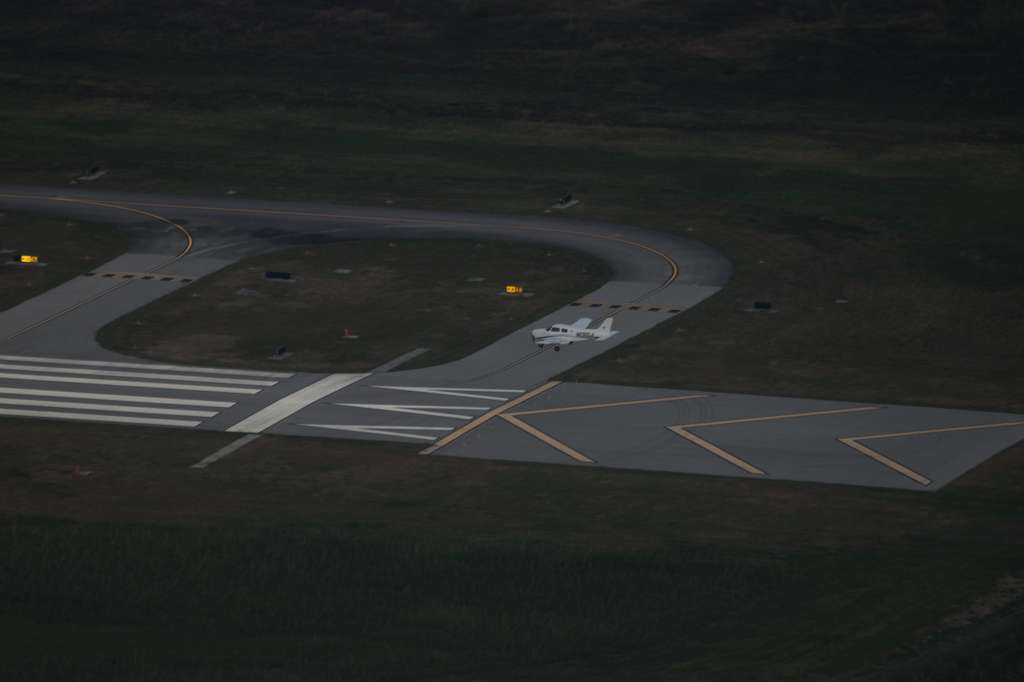
Flying from a busy, towered airport like Northeast Philadelphia gives students a head start. It might be a bit more to manage at first, but it pays off fast. At Northeast Philadelphia Airport, Fly Legacy Aviation operates on 7,000-foot and 5,000-foot runways with an active control tower, so every lesson happens in a realistic, professional environment. Unlike small, uncontrolled fields, a towered airport teaches habits that matter in real-world flying. Students learn to work with air traffic control from day one, tuning into ATIS, asking for clearances, and responding when instructions change. The environment keeps you alert as you learn run-up procedures, taxi diagrams, and pre-takeoff checks. This quick mental coordination soon becomes second nature.
Here’s what students pick up early when flying at a towered location:
- Reading ground signs and maps to find the right taxiways
- Listening for instructions and call signs over a busy frequency
- Making clear radio calls under pressure
- Managing spacing with other aircraft in the pattern
By the time students fly outside Philadelphia, they already know how to move and think like a pilot in controlled airspace.
Getting Comfortable in Multi-Engine Planes
Multi-engine planes act differently from single-engine trainers. There are new speeds, more buttons and switches to manage, and extra power behind every takeoff. Most students begin multi-engine training after earning a private pilot license in a single-engine aircraft. That transition is when things start moving faster. Training builds confidence with systems, engine management, and instrument references without losing basic flying skills. At Fly Legacy Aviation, students train in a modern fleet of Piper aircraft, following a clear path from private pilot through commercial and flight instructor ratings, so skills build on a solid foundation.
You learn how to stay ahead of the plane. Twin-engine aircraft climb faster, fly heavier, and need more space to land. In training, we focus on maneuvers like engine-out scenarios and controlling asymmetric thrust, which take time to master. Some of the core skills students build include:
- Managing single-engine performance after a simulated engine failure
- Coordinating throttle, rudder, and trim inputs during takeoff and climb
- Learning how to feather a propeller and diagnose engine issues mid-flight
- Understanding Vmc (minimum control speed) and reacting when balance is lost
The early nerves fade once muscle memory sets in, and your confidence grows with every flight.
How to Know You’re Ready for Flight School
If you’ve been thinking about flight school, this might be your sign. Spring and early summer are great times to start lessons, as the skies tend to be calmer and daylight offers more flying windows. We see three common signs that someone is ready to begin training:
- You’re excited about flying and think about it regularly
- You’re ready to focus, stay consistent, and keep a regular schedule
- You have enough flexibility in your life to commit to lessons
Life can be busy, so many students choose full-time programs to move fast, while others fly a few times a week. The key is being honest about your time and energy so you don’t feel overwhelmed or stuck.
What You’ll Learn in the Early Weeks
The first few weeks can feel intense but exciting. Each lesson brings something new, and progress picks up fast once you start flying regularly. These early lessons build the base for everything that follows, helping you get clear on how multi-engine planes handle, how cockpit procedures work, and how to think ahead rather than just react.
Here’s what we usually focus on in the beginning:
- Building clean checklists for startup, taxi, and run-up
- Practicing left-seat habits to improve reaction time
- Reviewing V-speeds and how they affect decision-making
- Learning how to brief approaches and communicate with the tower
You’ll also start planning what each flight stage needs from you, from listening to ATIS before engine start to tuning into tower frequencies and making the right calls.
How Weather and Seasons Play a Role in Philly Training
Weather matters, especially when you’re learning something new. In Philadelphia, spring and early summer provide some of the best conditions for training. The winds are easier to manage, and the skies are more stable. However, this area does come with weather variety, and students learn to consider visibility, crosswinds, and runway conditions during preflight checks. Warmer months might bring morning or afternoon haze, teaching you to rely on instruments even when the view isn’t clear.
Seasonal conditions help shape better pilots by:
- Showing how wind direction changes affect takeoff runs and approaches
- Dealing with hazy skies or variable visibility near the river
- Understanding how runway heat affects climb rate in heavier aircraft
Every flying day teaches something new, and Philadelphia offers a mix that keeps you sharp.
Starting Your Flight Training Journey With Confidence
Multi-engine training in a place like Northeast Philadelphia keeps things moving. The airspace gives you real tower traffic, the airport has solid infrastructure, and changing weather keeps you alert. This blend builds sharp, confident pilots ready for more. Fly Legacy Aviation also supports veterans, international students, and those focused on airline careers, so your early lessons can be part of a long-term aviation plan. When you start with the right mindset and a steady schedule, flying becomes less about hoping for perfect weather and more about being prepared for every flight.
The more time you spend in the cockpit, the stronger your habits get. When decision-making becomes natural, you start to feel like a real pilot. Mapping out your training journey before stepping into the cockpit can make a big difference, especially at busy airports like Northeast Philadelphia. Our programs emphasize strong habits, clear procedures, and realistic flight conditions so you build practical skills. Choosing a flight school in Philadelphia with our focused, real-world approach gives you a clear edge from your first takeoff. When you’re ready to start training, reach out to us to learn how we can help you achieve your goals.
