
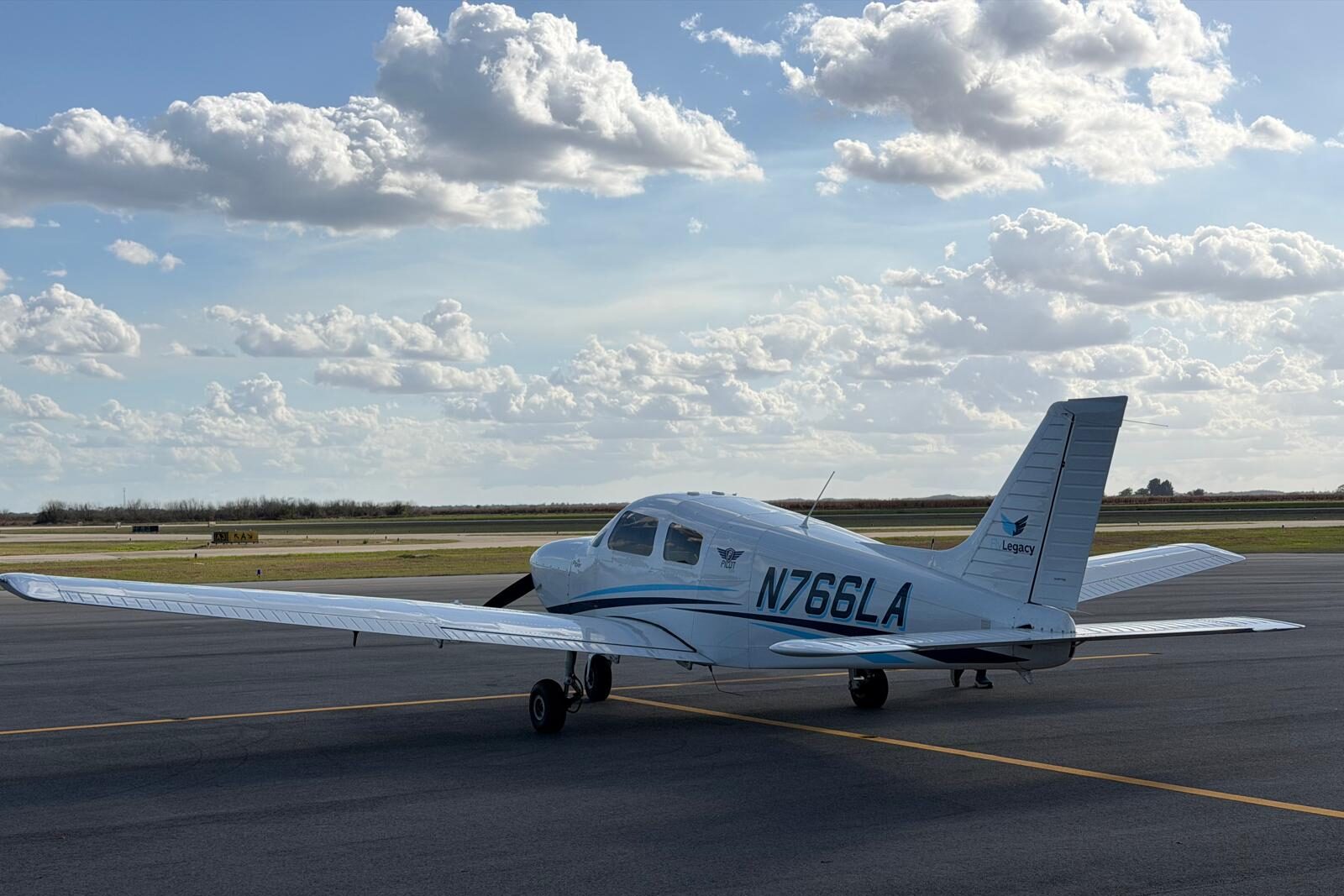
Flying into a towered airport in South Florida can feel like shifting gears. If you’re used to quieter fields, stepping into busier airspace brings many new challenges. You’ll see different traffic patterns, hear new voices on the radio, and manage your aircraft in a more crowded sky. At our Florida campus at North Perry Airport in Pembroke Pines, students train in tower-controlled airspace that mirrors these busy fields.
At flight school South Florida, dealing with a controlled airport isn’t a puzzle. When flying a multi-engine plane, things move quickly, so planning ahead is key. These towered fields have their own patterns, and syncing early helps smooth the arrival and landing. Let’s review some steps to keep things steady when entering new airspace.
Know Before You Go
Before you take off, know where you’re headed and what to expect. At busy South Florida airports, preflight planning is crucial. Review the airspace on a VFR sectional chart to spot controlled zones, note Class B or C layers, and see where you can enter. Since multi-engine speeds carry you quickly, it’s wise to know the lay of the land.
A few things we always check before departure:
- Review the airport diagram and taxi layout so you’re not guessing after touchdown
- Check NOTAMs that might alter runway use or patterns
- Check the ATIS ahead of time, via paper or live feed
Plan radio checkpoints early. Knowing the controlling frequencies helps when you’re six miles out with gear down.
Listen Closely Before Talking
Getting into a new field starts by tuning into the tower or CTAF five to ten minutes before arrival; this can teach more than a chart. It’s like watching a four-way stop sign before joining traffic. Observe the pattern; note if aircraft fly straight in or join on downwind, or if a lower training pattern exists. Listening closely can reveal all that.
Here’s what helps:
- Note the ATIS so you’re not scrambling on the first call
- Observe runway use and winds that might affect your setup
- Listen for repeated calls or phrases that differ from training fields
Familiarity doesn’t mean simplicity. Large airports may have complex entry instructions, but once you learn the flow, it becomes easier to fit in.
Keep It Calm on the Radio
Radio work might not be fun, but it is key to settling into controlled airspace. When flying multi-engine planes that climb faster and move quickly from control zone to pattern, clear communication prevents trouble. Keep it simple: call the tower with your aircraft type, position, and request. If you are unsure, ask. Controllers want safe flying, not guesswork.
Some quick reminders that help with tower calls:
- Take a breath before speaking and listen first to avoid talking over others
- Use your practiced calls and speak slowly
- If you miss something, say “say again” before continuing
Becoming comfortable on the mic takes repetition, and good planning lets you focus on the flight rather than fumbling words.
Adjust in the Air, If You Need To
Even with solid planning, flying into busy South Florida fields calls for flexibility. Traffic may be rerouted, and the tower might ask for an “extend base” or “orbit” before landing. This flexibility builds your skill over time. Stay aware and respond calmly. If the tower changes the plan, handle it like a wind shift or a traffic change, one step at a time.
Here’s what staying flexible looks like in the cockpit:
- Be ready to change your pattern entry based on the tower’s request
- Keep scanning the skies even in controlled airspace
- Repeat instructions clearly and confirm if unsure
Focus on flying the plane first, then handle the rest, no matter how busy the field gets.
Build Good Habits for Next Time
Each time you fly into a new towered airport, you learn lessons that smooth out the next approach. Even if frequencies or runway layouts change, the basic steps remain the same. Take a few notes after each flight. What worked, and what caught you off guard? Did ATC use a new phrase? These notes help shape your next training flight.
Flying with a South Florida school means encountering both towered and non-towered airfields. This mix helps test your knowledge with each flight. Each flight helps you understand:
- When to prep your radios and expect quick handoffs
- How to spot the pattern flow at any field
- Which approaches suit multi-engine descents best
Like a good landing, these habits take practice and stay with you long after training.
Getting More Confident With Every Landing
Your first visit to a towered airport in South Florida might feel challenging, but with preparation and observation, it becomes familiar. Sizing up the airspace, listening carefully, and clear communication from takeoff to touchdown make a difference. By following a repeatable plan and staying open to small changes, each new field becomes more manageable. With experience, flying into these airports grows more intuitive, turning each flight into a smarter experience.
Every approach becomes less about guessing and more about following a known plan. At Fly Legacy Aviation, we understand how important it is to feel steady and in control when flying a multi-engine plane into new towered fields. Learning in Pompano Beach or the surrounding area means adapting to busier airspace, which simply requires the right preparation and guidance. Our programs use modern Piper and Diamond training aircraft and are approved for FAA, VA, and DHS (SEVIS) students, so you can build these skills in a structured, professional setting. Explore our flight school South Florida options to discover how we support multi-engine training with real-world airspace experience, and connect with us to discuss your path forward.
