
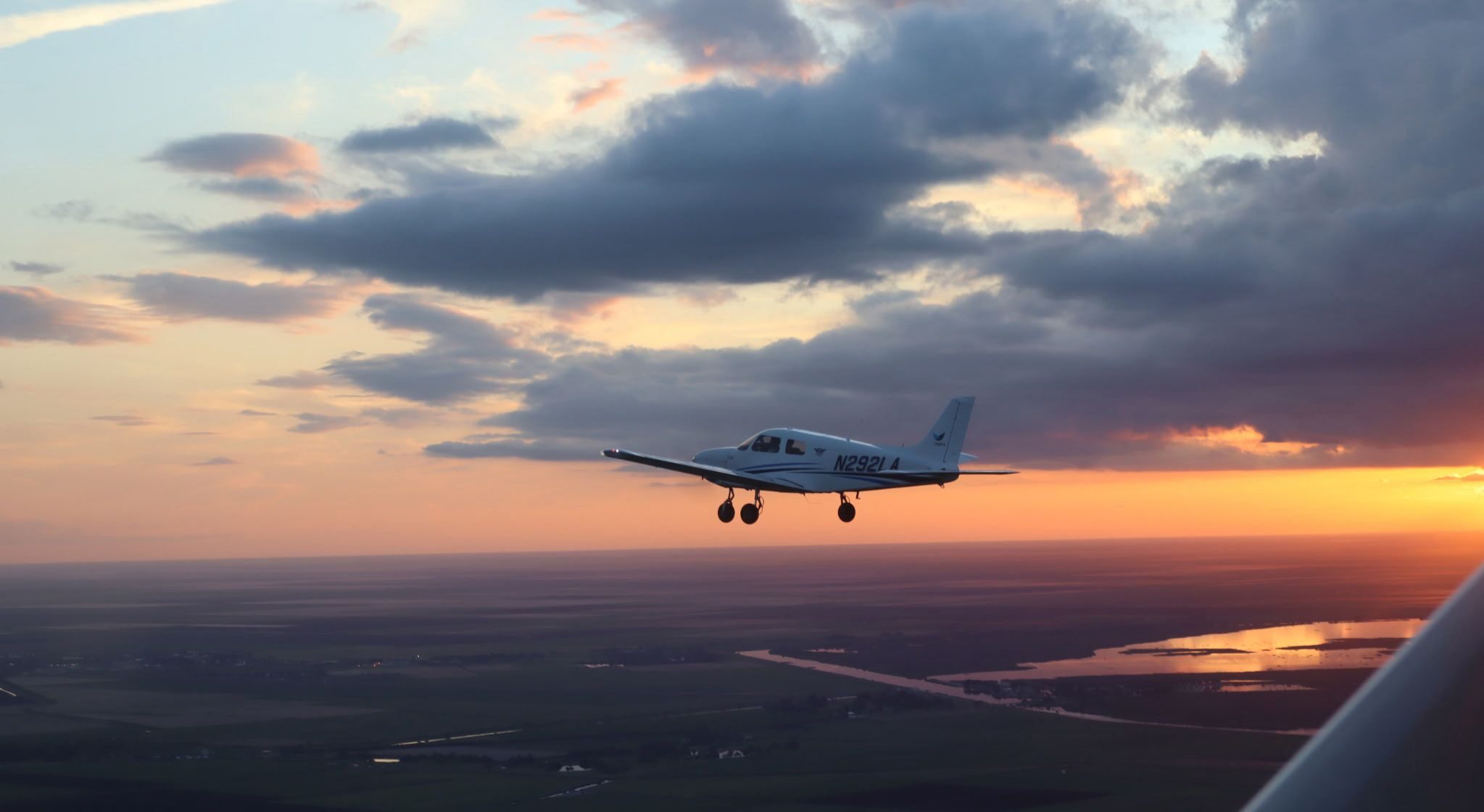
How to Get Through Your First Cross-Country in Florida’s Spring Skies
Spring skies in Florida bring longer days, warmer air, and plenty of chances to get in some real-world flying. If you’re going through instrument rating training in Florida for the first time, your cross-country flight might feel like a big leap. It’s one thing to fly around your home airport with help nearby. It’s another to go the distance and handle changes as they come.
We’ve seen a lot of students work through this milestone, especially here in South Florida. At our Florida campus at North Perry Airport in Pembroke Pines, instrument students fly a modern fleet of Piper aircraft that are well suited to cross-country and instrument training. The good news is, spring flying has its challenges, but it’s also a great teacher. The scenery is clear, the winds are calmer most days, and with good prep, it can be one of your best flights. It just takes a little more attention and the right mindset going in. Here is what helps most new pilots feel more ready and in control before their first big trip.
Planning with Weather in Mind
Spring in Pompano Beach does not always act like spring up north. You will not deal with snow or ice, but you will notice sudden shifts in clouds or sea breeze effects that move through fast. That warm ocean air mixes with inland heat and can stir up pop-up showers or haze near the coast, even on days that started out clear.
Here is what we keep in mind when looking at weather this time of year:
- Mornings often start clear but can build into scattered layers by early afternoon
- Thunderstorms are not common yet, but haze or rising humidity can limit visibility fast
- It is easy to forget how quickly things form over water or Everglades terrain
Double-checking for updated forecasts and alternate routes helps avoid last-minute stress. Picking smoother altitudes, gauging winds above and below your planned path, and having a fuel stop that can flex are all smart moves in spring.
Busy Airspace Around Pompano
The stretch between Miami and West Palm Beach is filled with large and small airports. You’ll hear chatter climbing out of Pompano Beach Airpark and likely catch airline traffic on your radios, especially near approach zones. If it is your first cross-country, it can feel like a lot.
Many student pilots worry about talking to ATC during this flight. That is normal. The key is staying ahead of the calls so you are not rushed or unsure.
Here is what helps:
- Have your handoff frequencies ready and written down where you can glance at them
- Pay attention to when other pilots check in and use what they say to time your own calls
- Know where Class C and Class B airspace boundaries sit, so you do not cut too close
Keeping your headings clear and staying on speed helps keep those radio calls snappy and smooth. Things happen fast down here, and ATC expects you to be ready. Having trim set and radios confirmed before switching across zones really pays off.
Staying Ahead of the Airplane
When that engine is humming along and you are monitoring three things at once, it can feel like you are just trying not to fall behind. That is common. But multi-engine planes give you a lot of control if you use your time in cruise wisely.
Instead of rushing toward each checkpoint, start checking ahead early. If your crosswind starts pulling you off course, fix it before the problem grows. Once you are preparing for descent, keep your energy focused on pace, spacing, and keeping every step short and simple.
Things we always use to help stay ahead in flight:
- Organize your approach plate early, even if you are VFR with backup instruments
- Balance visual checks with instrument readouts so you do not lose touch with how the plane feels
- Watch your speed trend along with your actual number so small changes do not surprise you
A back-and-forth rhythm between scanning inside and outside the cockpit works best. It builds trust in your readings, and it helps spot trouble before it throws things off. That familiarity builds confidence fast.
Real-Life Lessons from the Cockpit
Cross-country flights have a way of exposing little habits. The good ones stick, and the weaker ones usually show up in small ways. Like forgetting to switch tanks at regular intervals or misjudging when to start a descent. Some of those things just cannot be taught on paper.
We have worked with students who have had everything from last-minute delays to unexpected reroutes. When the workload goes up and you are not close to home, that is when the small stuff starts to matter more.
Here is what experience reminds us again and again:
- Calm pilots make better choices, even when winds shift or visibility fades
- Fixing a heading early keeps you closer to the plan with less pressure later
- Having an instructor in the right seat helps you spot growing mistakes before they turn into lessons learned the hard way
You do not need a perfect flight. You need one that teaches you when and how to stay steady.
What Spring Teaches You About Flying for Real
Your first cross-country flight during instrument rating training in Florida comes at the right time. Spring around Pompano Beach shows you how things can change even on a clear forecast. It teaches you that weather is not always where you expect, and that keeping your cool makes you a better pilot.
You cannot learn pacing or timing from a book. These real flights help you feel the pace and sort which tasks need attention now and which ones can wait. That is how confidence grows. With every spring mile you log, you build a kind of trust in your own decisions that will carry you into every flight moving forward.
Spring is the perfect season to build your skills and gain confidence in the skies around Pompano Beach. Our students often share that their first long flight is when everything starts to make sense. As you work through airspace, changing weather, and cockpit flow, you will gain more than just hours, you will develop true judgment. Fly Legacy Aviation is an FAA-certified flight school that serves pilots from private pilot certification through commercial and flight instructor ratings, so your instrument training fits into a larger, long-term path. When you are ready to take the next step with more structure and responsibility, Fly Legacy Aviation is here to support your journey. Look into our instrument rating training in Florida and let us know how we can help you move forward.
