
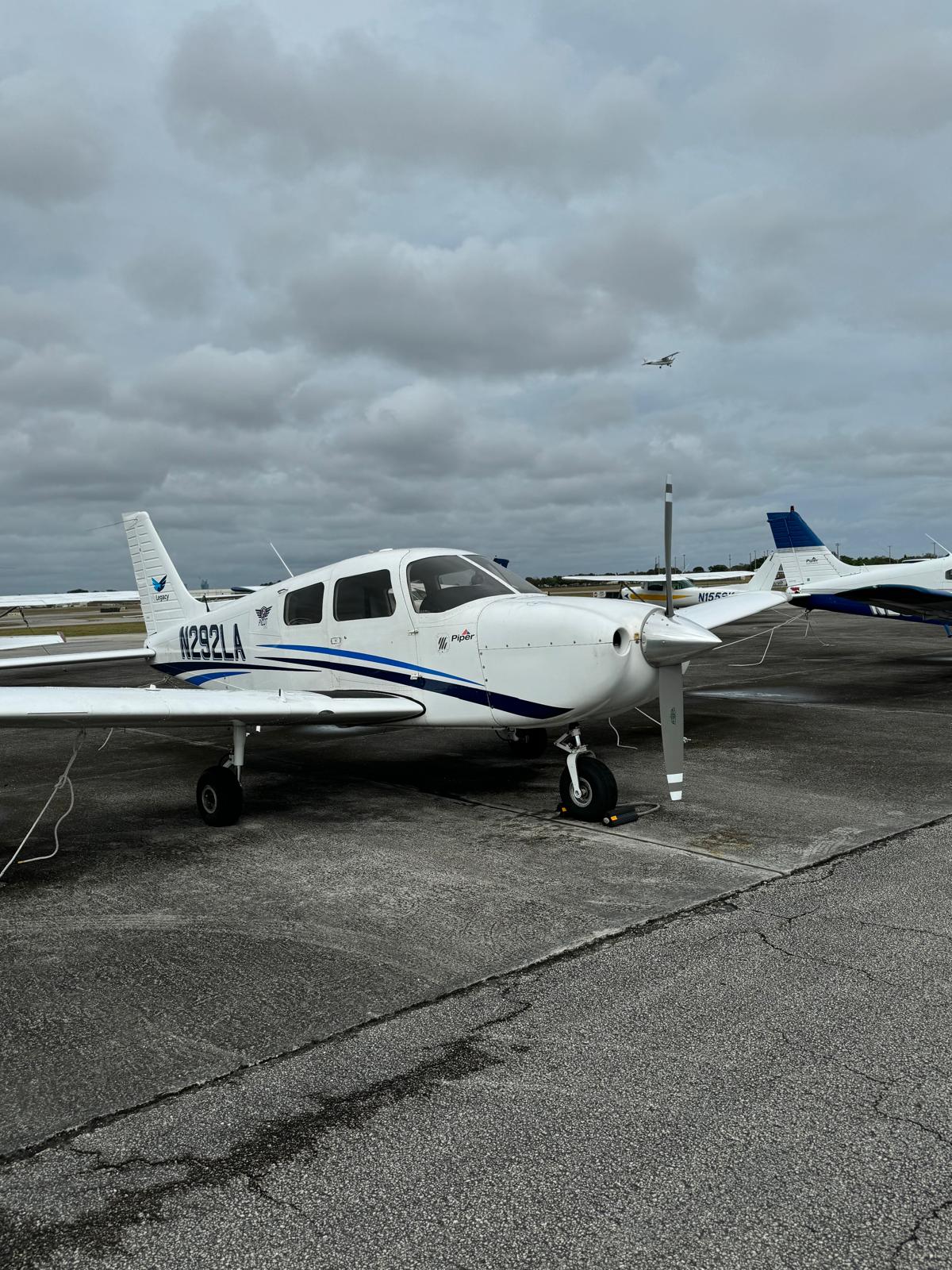
Flying a twin-engine aircraft over Philadelphia takes your focus to another level, especially in warmer months when everyone seems to be in the air. It’s not just about cruising along anymore. Between commercial jets, general aviation traffic, and trainers flying patterns, every mile gets tighter as you drop into that final leg. If you’re in a plane from a multi engine aircraft rental, that added responsibility of knowing your procedures really kicks in. There’s not a lot of room for delay when you’re trying to manage your pre-landing checks in this kind of airspace. We’ve put together a few ways to help keep your arrival calm and your checklist on track when flying around Philly.
Know the Airspace Before You Descend
Getting familiar with Philadelphia’s airspace helps you plan ahead before entering the approach. This area isn’t a quiet corner of the country. You’ll find big jets arriving into PHL, smaller charter flights, and student pilots circling in patterns, all within close range. Things move fast, and so do the instructions.
You want to stay flexible, because tower calls can switch up quickly. Maybe you’re set up for runway 33, but halfway through your downwind, the tower offers 35 instead. That’s not the time to be searching for your checklist. It pays to know your flow cold so that any changes don’t throw you off.
Here are a few ways to stay alert:
- Study sectional charts before each flight, especially when you’re using a rental and switching planes often
- Monitor tower and approach frequencies early, so you’re not surprised when it’s your turn
- Keep mental track of traffic you see or hear, and expect last-minute updates
You’re not just completing steps in the cockpit, you’re part of a bigger stream of traffic, and the more tuned in you stay, the safer your landings will be.
Build a Pre-Landing Routine That Sticks
A good pre-landing flow is more than a checklist on your kneeboard. With a multi-engine aircraft, you’ve got a few more systems to deal with, so getting into a habit where everything has its place makes the difference. Think fuel selectors, mixture settings, landing gear, prop controls, flaps, and so on.
The time to start those checks isn’t in the middle of your base leg. It’s smart to begin before entering the pattern. That way, any sticky issues have time to sort out without the pressure of getting lined up on final.
Here’s what helps us stay sharp:
- Use the same flow every time you fly, even if the aircraft model changes
- Say items out loud if needed, it keeps your brain and hands on the same page
- Don’t rush the list just to match what the plane ahead of you is doing
It’s easy to lose track of your own checks by watching everyone else. Stay focused on your aircraft first. That leaves less room for being caught off guard.
What to Watch for in Busy Patterns
Northeast Philadelphia Airport can get crowded quickly. Whether it’s a weekend afternoon or a weekday morning, planes come and go from different directions. You could have one aircraft flying a left pattern, another staying on the right, and someone in the middle switching runways. It’s a lot to keep up with.
When traffic builds up, it may affect how you plan your descent. For example, the tower could extend your downwind to make room for arrivals ahead. If you’ve already gone through your pre-landing list and you’re floating past the runway, now you’re adjusting throttle, gear, and flaps all over again. That kind of last-minute juggling leads to distractions.
A few things we try to focus on:
- Maintain your own airspeed even if others around you are faster or slower
- Don’t be afraid to turn base a little sooner or later than planned, spacing matters
- Always be ready to go around if the approach isn’t coming together cleanly
Landing in a busy pattern isn’t about being perfect. It’s about staying flexible and knowing when to slow things down or reset.
Practice Prep with Multi Engine Rentals
Flying multi engine aircraft gives you an extra layer of decision-making. That’s why the muscle memory needs to be strong. Every aircraft handles a little differently, even between similar models. Practicing with a multi engine aircraft rental gives you time in the cockpit to fine-tune your flow.
Some aircraft may have different gear warning systems or flap extension speeds. That’s why it helps to double-check those details before each flight. We’ve found that when you rehearse the checklist in the same type of plane a few times, it gets smoother. You stop second-guessing yourself and start responding naturally.
To get the most out of each practice run:
- Fly at different times of day to experience lighter morning traffic and heavier afternoon arrivals
- Ask for pattern work during lessons and log each repetition of your pre-landing flow
- Pay attention to how the plane feels at various gear and flap settings
The more flexible you get with different conditions and aircraft quirks, the easier it becomes to keep your pre-landing game tight, even when flying something you don’t own.
How Weather Plays Into Your Arrival Game
Philadelphia comes with its own set of warm-weather tricks. As the sun heats up the pavement, you’ll get thermal bumps on approach. Add that to light haze drifting in from the city and it gets harder to spot the runway or other aircraft.
These visibility changes can mess with your checklist rhythm. Maybe you’re mid-way through your flow when a reflection off a building distracts you. Or turbulence nudges the gear lever enough to make you check it again.
To stay ahead of these common patterns:
- Get a thorough weather brief before flying, look beyond the surface winds
- Pick pattern altitudes that keep you above thermal bumps for as long as possible
- If haze sets in, turn cockpit lights on earlier to help with switch identification
Summer weather here doesn’t always come with big storms, but the small stuff adds up. Being ready to deal with that can keep the rest of your landing steps clean and calm.
Final Approach Means Staying a Step Ahead
Flying into Philadelphia takes sharp timing, especially in a twin-engine plane. There’s a rhythm to the airspace, and once you learn to move with it, not against it, your landings start feeling smoother. Whether you’re working through standard checks or adjusting for traffic pressure, your goal is to stay one step ahead.
Good habits around pre-landing checks don’t just make for cleaner arrivals. They free up your mind to watch the airspace, respond to changes, and land with confidence. That kind of routine doesn’t come from memorizing a list. It’s built through practice, timing, and staying fully tuned in all the way to wheels down.
Building time in Philadelphia is the perfect opportunity to gain real-world experience handling twin-engine landings in busy traffic. Spending time in a multi engine aircraft rental can sharpen your routines and improve your focus and decision-making, especially when stepping outside your usual training flow. Every checklist run gets smoother as you become familiar with how the plane handles. At Fly Legacy Aviation, we offer flexible rental options so you can fit in consistent practice even with a packed schedule. Ready to plan your next flight? Reach out to our team today.
