
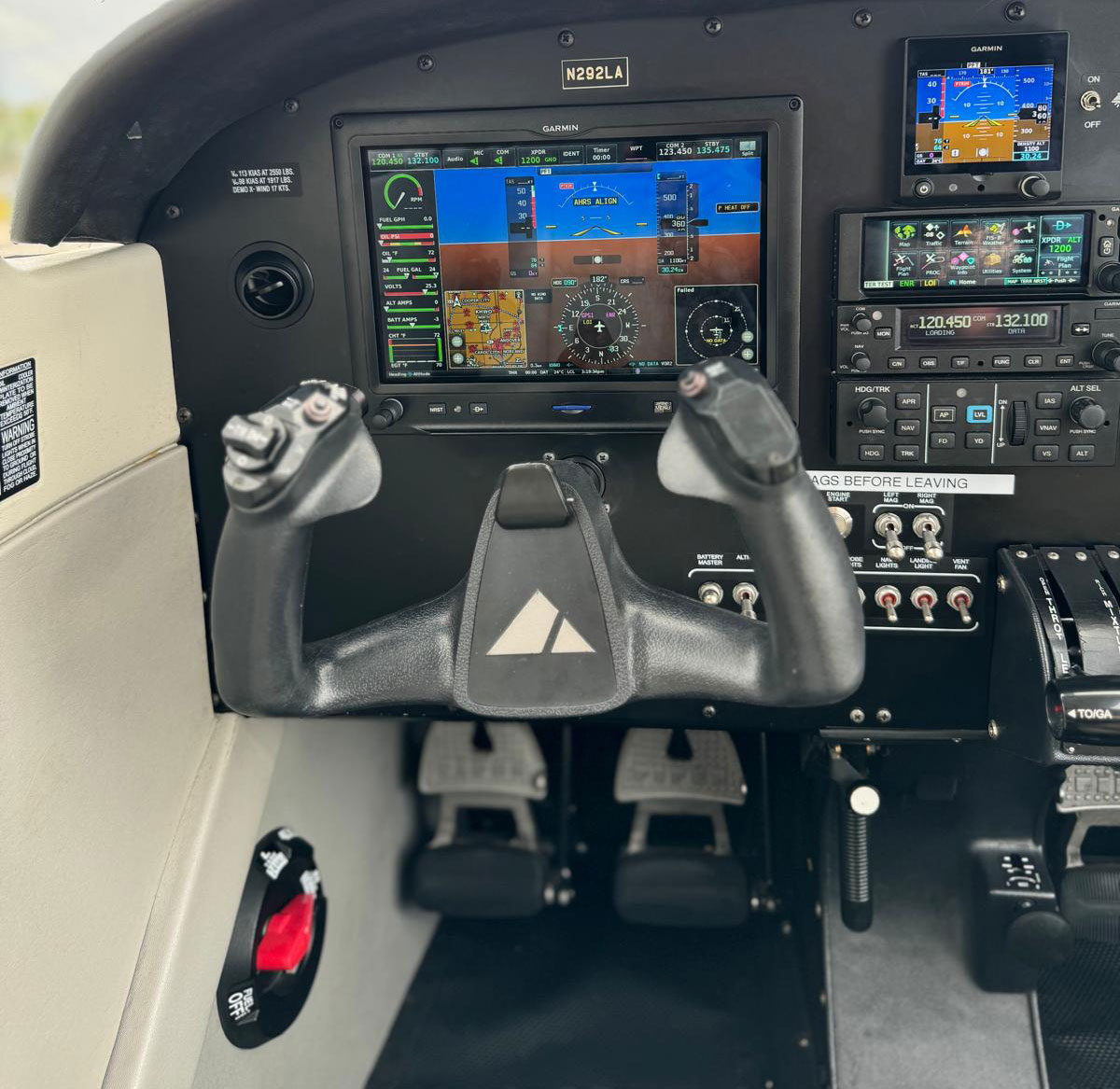
Flying a multi engine airplane for the first time adds a new layer to your pilot lessons. Everything moves faster, feels heavier, and asks more of your brain. In Philly, that next step takes place in busy airspace with lots of variables to consider.
June flights around Northeast Philadelphia Airport bring warmer air, surprise storms, and heavier traffic around longer daylight hours. Your job is to stay one step ahead by getting familiar with what’s coming. From airport layout to local weather calls, small things make a difference when you’re learning to fly a twin. We always talk through the basics of aircraft handling, but now your awareness has to stretch farther. Two engines mean more power, but they also mean more to manage.
Know the Differences Between Single and Multi Engine Planes
If you’ve flown a single engine plane before, you’re already used to juggling a fair bit in the cockpit. But with two engines, the decisions get bigger. The plane moves faster, takes more effort to stop, and sits heavier on the ground. You’ll feel it in the roll and the climb. The controls won’t react exactly as you’re used to, especially if you’re still in a low-hour phase of your training.
One big difference comes down to balance. You’ll need to keep a closer eye on how your fuel loads and engine power are split. A mistake in one engine affects the whole plane, not just that side. You also have to think more about what to do if one engine stops. That’s why every step (taxi, takeoff, and climb) needs a little more focus. First-timers often notice the sound most. Two engines are louder, and the cab feels busier right from startup.
For your first taxi, we always suggest easing into it. Use small rudder inputs and give yourself more space to turn. On takeoff, you’ll feel more pull, so being ready to manage torque makes it less of a surprise as you pick up speed. Expect the workload to grow, but know that each step is something you can prepare for ahead of time.
Brush Up on Local Philly Airspace Rules
Flying in and out of Northeast Philadelphia means sharing skies with others, and that changes how pilot lessons work compared to quieter airports. This area is surrounded by Class B and Class D airspace, so you’ll be talking to ATC more often. That can slow things down or shift your plan on short notice.
Class B airspace near Philadelphia International can reach into your practice area, depending on how high you plan to go. Knowing where those invisible boundaries sit before you take off makes the whole process feel easier. We often review sectional charts ahead of a flight just to stay sharp on where not to stray. One small overshoot can lead to extra radio work and reroutes.
Radio work, taxi instructions, and quick altitude callouts are all more common here. That means you’ll need to stay tuned in during every phase. Weather and traffic mix in funny ways during busy hours, especially when you’re sharing airspace with jets flying into Philly. If traffic gets too thick, you may find yourself waiting on certain legs of your lesson or adjusting your route while still in the air.
Checking Forecasts and Runway Conditions in June
Early summer weather in Philadelphia brings variety with it. Mornings might start smooth and clear but quickly turn into wind swaps or unexpected downpours by late afternoon. That’s why we prefer booking early slots when possible, especially in June, before the heat of the day kicks in.
There’s no shame in checking more than one weather source before a multi engine flight. We check the METAR and TAF, but also what convective outlooks might say. Get a sense for what clouds are nearby, and how those could shift while you’re up. One fast-moving cell doesn’t mean cancel the flight, but it might push it back or shorten the plan.
Runway surface matters too. After rain, the ramp can stay slick, and puddles near the threshold might throw off stopping points or tire grip. Make a habit of walking the short route visually before starting up, asking if you feel safe with spacing. Multi engine aircraft need longer ground rolls with extra weight, so planning ahead for landing length should become second nature. In high heat, density altitude goes up, and that affects these heavier planes more than you think.
Review What Your Instructor Expects from You
Before your first flight in a twin, you’ll sit down and go through the whole plan. It’s more than a checklist. Instructors want to know you understand what to do if one engine fails, or how to fix a mistake without turning it into a bigger issue in the air.
The talk usually includes a few core parts:
- Engine-out procedures (identify, verify, feather)
- Airspeed transitions and what to do if you lose lift
- How to handle radio calls if you’re busy managing a problem
- Fuel management and left-right awareness
You don’t need to memorize everything in a perfect order, but you need to show you’ve looked at the plan with clear eyes. Distractions can lead to tunnel vision up there, and we’d rather talk it through calmly before you get in the cockpit. Questions are always welcome. Showing up with a steady mindset helps. It’s okay to be nervous, but nerves settle faster when you know what’s expected.
Getting a Feel for Takeoffs and Landings in a Twin
Takeoff in a multi engine plane hits harder than you might expect. The acceleration feels tighter, and the nose wants to pull. You’ll want to hold your heading steady, correct fast if needed, and keep your eyes ahead. If one engine quits during climbout, things shift fast. That’s where all the prep matters.
During landing, you’ll feel like the plane carries more energy into the flare. Multi engine aircraft don’t slow down the same way singles do, especially if they’re heavy with fuel or you’re still fighting a bit of headwind. You’ll manage your descent path with more care, and the timing to round out and touch down looks a little earlier than you may be used to.
Each landing teaches something. Whether it’s the crosswind angle, how far out to turn base, or when to chop power, small lessons build into bigger skills. Flying in and out of Philly adds a layer of pace and noise, but if you stay present, those habits work anywhere.
Getting Ready to Fly with Confidence
A first flight in a multi engine airplane isn’t about perfection. It’s about showing up prepared, thoughtful, and ready to adjust. We don’t expect everything to be smooth on day one, but we do count on a solid mindset.
When you know the layout of your airport, the curve of your aircraft’s response, and what might show up in the sky around you, your pilot lessons grow into real readiness. Philadelphia keeps you sharp. Each challenge, from weather shifts to fast-moving radio calls, teaches attention and calm. That’s what sets the tone not just for your first twin flight, but every one after it.
Building confidence in the cockpit and improving your awareness at busy airports like Northeast Philadelphia takes steady practice and the right preparation. Multi engine planes require new habits, but our team is here to help you with every stage of your training. See how our pilot lessons can support your growth as a pilot. Reach out to Fly Legacy Aviation and take the next step today.
